

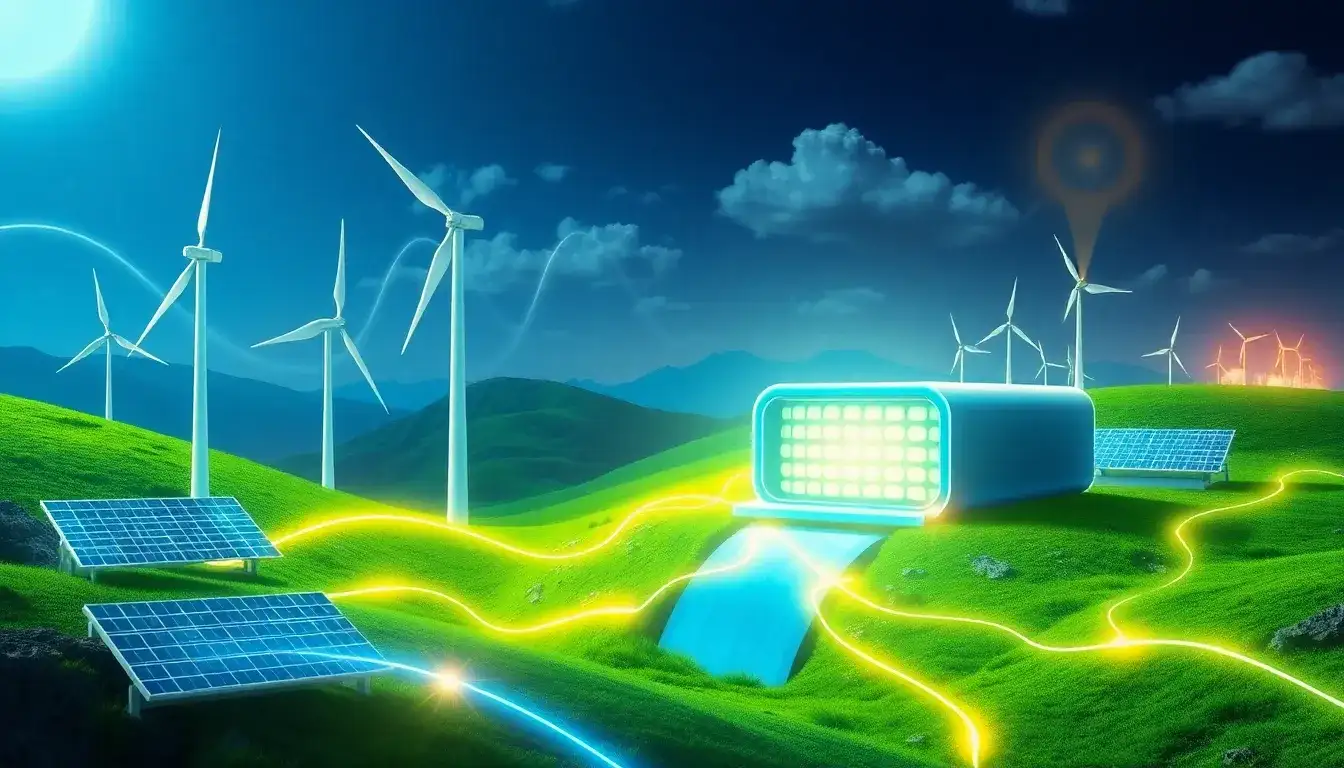
Energy storage plays a crucial role in reducing energy waste from renewable sources by enabling the efficient use of excess energy generated by these intermittent sources. Here’s how energy storage contributes:
Role of Energy Storage
- Capturing Excess Energy: Renewable energy sources like solar and wind generate electricity intermittently. During periods of high wind or sunlight, they can produce more electricity than needed. Energy storage systems can capture this excess energy and store it for later use, thereby reducing the need to curtail (or waste) renewable energy that is not immediately used.
- Supply and Demand Balance: Energy storage helps balance the supply and demand on the electrical grid. By storing energy during low-demand periods and releasing it when demand peaks, it ensures that renewable energy is utilized effectively and doesn’t go to waste.
- Reducing Curtailment: Curtailment occurs when renewable energy production is reduced because there isn’t enough demand for the electricity. Energy storage systems help mitigate this by storing excess energy, thus reducing the need for curtailment and ensuring that more renewable energy is used.
Types of Energy Storage Technologies
- Battery Energy Storage Systems (BESS): These are widely recognized as a leading technology for storing renewable energy. Batteries like lithium-ion offer superior efficiency and sustainability, making them ideal for storing and delivering renewable energy.
- Pumped Hydro Storage (PHS): This traditional method involves pumping water to higher reservoirs during low-demand periods and generating electricity by releasing water through turbines when demand is high. PHS is effective for large-scale energy storage.
- Thermal Energy Storage: This involves storing energy as heat or cold for later use in heating, cooling, or power generation. It’s another method to utilize excess renewable energy effectively.
Benefits of Energy Storage for Renewable Sources
- Efficiency: Energy storage systems improve grid efficiency by ensuring that renewable energy is utilized when it’s needed most.
- Cost-Effectiveness: By reducing energy waste and allowing for more efficient use of renewable resources, energy storage can help lower overall energy costs.
- Environmental Benefits: By maximizing the use of renewable energy, storage helps reduce reliance on fossil fuels and lowers greenhouse gas emissions.
Original article by NenPower, If reposted, please credit the source: https://nenpower.com/blog/how-does-energy-storage-contribute-to-reducing-energy-waste-from-renewable-sources/

