

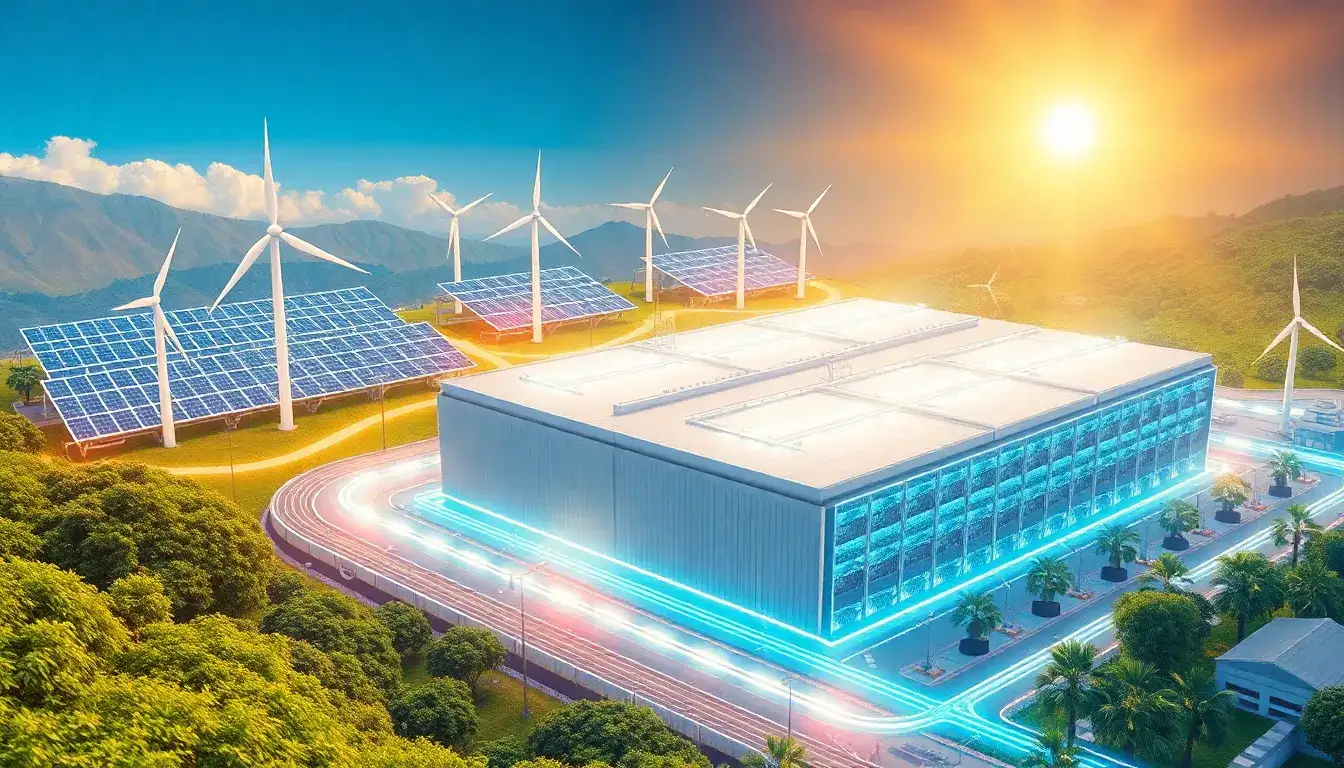
Energy storage plays a crucial role in integrating renewable energy sources such as wind and solar into power systems by addressing the variability and intermittency inherent in these resources.
Key Contributions of Energy Storage to Renewable Integration
1. Smoothing Power Supply and Managing Variability
Renewable energy sources like wind and solar are variable and can fluctuate due to weather conditions and time of day. Energy storage systems provide flexible, fast-response resources that help balance supply and demand by absorbing excess generation when renewable output is high and releasing stored energy when output is low or demand is high. This smoothing effect enhances grid stability and reliability.
2. Enabling Higher Shares of Renewables
Energy storage supports the integration of increasing amounts of renewable generation by making the grid more flexible. It enables the expansion of cost-effective renewable sources by reducing the need for curtailment (wasting excess renewable energy) and increasing utilization of renewable electricity. Stored energy can be dispatched later, helping to meet demand even when wind or solar production is insufficient.
3. Reducing Energy Waste and Increasing Renewable Utilization
By storing surplus renewable electricity that would otherwise go unused, storage systems reduce curtailment and energy waste, maximizing the benefits of renewable energy investments. This role is unique to storage technologies, which can both absorb and supply energy as needed.
4. Supporting Grid Services and Stability
As more renewables displace conventional synchronous generators, the grid faces challenges such as reduced system inertia and increased variability. Energy storage can provide critical grid services including:
- Regulation reserves to balance renewable output fluctuations
- Fast-frequency response to maintain system stability
- Voltage support to manage power quality, especially important with more remote renewable generation.
5. Enabling Sector Coupling and Innovation
Advanced storage solutions such as hydrogen production via renewable electrolysis link electricity generation to other energy sectors. Hydrogen and other storable mediums enable long-duration storage and broader renewable integration across power, heating, transport, and industry sectors.
Complementary Flexibility Options
While energy storage is a powerful enabler, it is one of several technologies and strategies for integrating renewables. Other flexibility options include expanding transmission, enhancing conventional generator flexibility, and changing grid operating procedures. However, storage uniquely combines the ability to store electricity and provide rapid response services, making it essential for high renewable penetration scenarios.
In summary, energy storage systems enable renewable energy integration by smoothing supply fluctuations, reducing waste, supporting necessary grid services, and enabling higher penetration of renewables in a cost-effective and reliable manner. This integration is vital for transitioning to sustainable energy systems with large shares of variable renewable energy.
Original article by NenPower, If reposted, please credit the source: https://nenpower.com/blog/how-does-energy-storage-contribute-to-integrating-renewable-energy-sources/

