

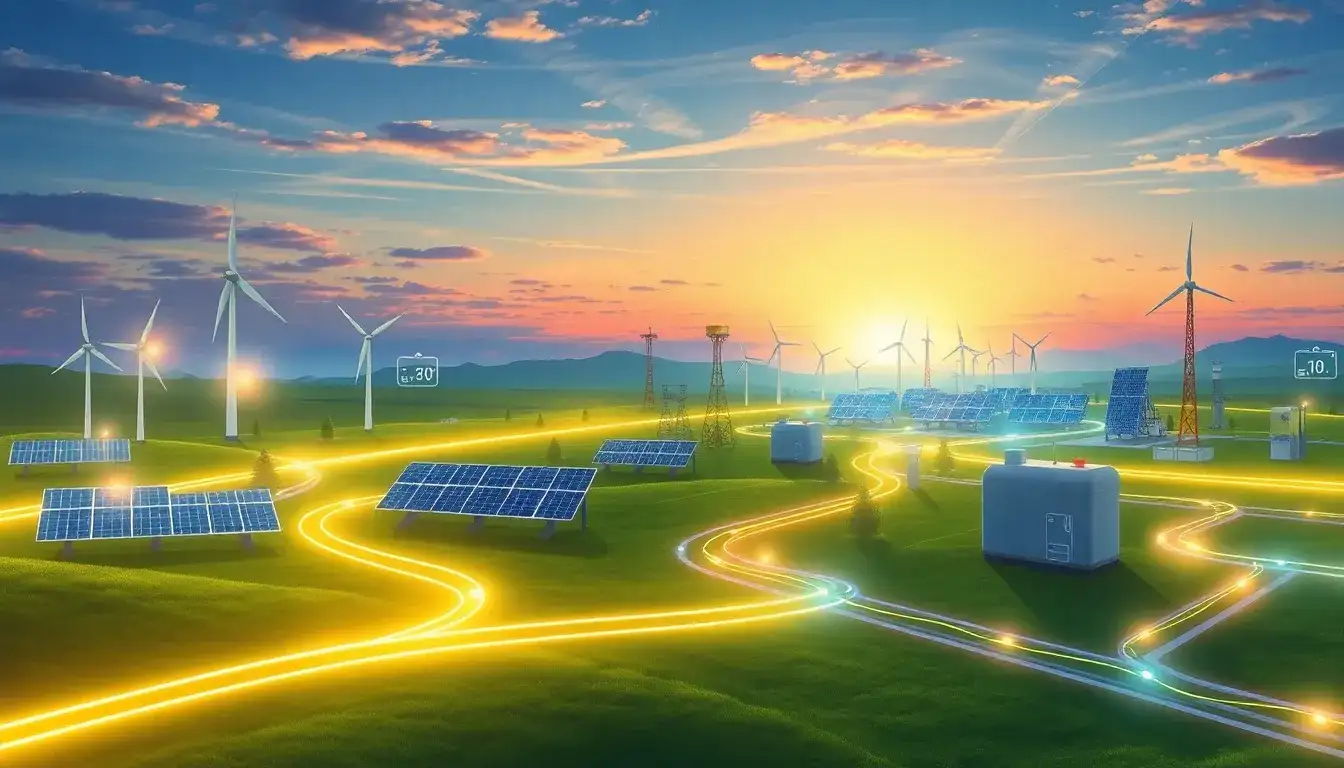
Energy storage plays a crucial role in maintaining grid stability during the integration of renewable energy sources like solar and wind. These sources are variable, meaning their output changes with environmental conditions, which can challenge grid stability. Here’s how energy storage contributes:
Mitigating Variability
- Short-Term Variability Management: Energy storage systems (ESS) like battery storage can charge during periods of high renewable energy output and discharge when needed, thus smoothing out variability in power supply. This helps maintain grid frequency and voltage stability, especially during sudden changes in renewable output.
- Frequency Regulation: ESS provides frequency regulation by rapidly injecting or withdrawing power to balance the grid’s frequency, ensuring that it stays within the required limits.
Grid Modernization and Resilience
- Grid Stability During Disruptions: Energy storage helps stabilize the grid after severe disruptions or emergencies by providing a fast response to injections or withdrawals of power, ensuring grid stability and reliability.
- Peak Demand Management: Energy storage aids in managing peak demand periods by providing stored energy when renewable sources are not available, reducing the strain on the grid and preventing power outages.
Economic Benefits and Technical Challenges
- Economic Optimization: By allowing renewable energy to be stored for later use, energy storage helps optimize energy production costs and reduces waste from overproduction during periods of low demand. It also helps defer the need for new power plants by better utilizing existing capacity.
- Technical Challenges: Despite the benefits, integrating energy storage into the grid poses technical challenges, such as ensuring interoperability with different grid systems and managing environmental impacts related to battery production and disposal.
In summary, energy storage is crucial for stabilizing the grid when integrating renewable energy by managing variability, enhancing grid resilience during disruptions, managing peak demand, and optimizing economic efficiency. However, it also presents challenges related to cost, technology, and environmental impact.
Original article by NenPower, If reposted, please credit the source: https://nenpower.com/blog/how-does-energy-storage-contribute-to-grid-stability-during-renewable-energy-integration/

