Energy storage plays a crucial role in enhancing grid resiliency during outages, contributing in several key ways:
1. Power Supply During Outages
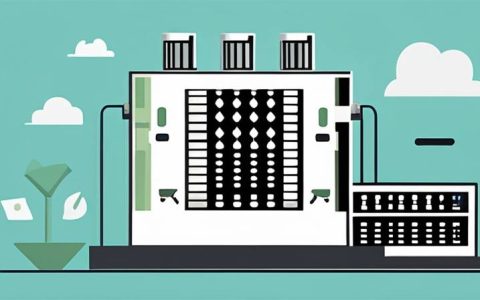
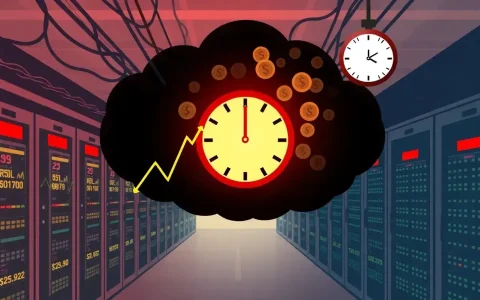
Energy storage systems, particularly battery energy storage systems (BESS), can provide power when the grid is down. This capability ensures continuity of essential services in critical facilities such as hospitals, data centers, and transportation systems.
2. Black Start Capabilities
Energy storage can serve as a black start source, helping to restore power generation and distribution after a complete grid failure. This is essential for rapidly recovering from major outages.
3. Microgrid Operations
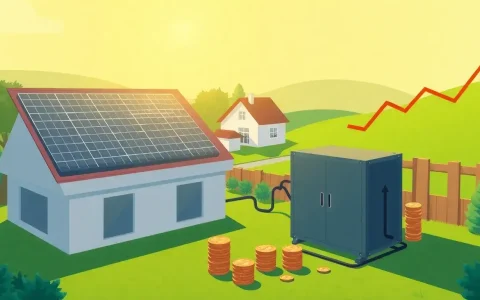
In microgrid configurations, energy storage can provide reliable, firm power when microgrids are isolated from the main grid. This helps maintain critical functions in communities or facilities during broader grid failures.
4. Peak Demand Management
By storing energy during low-demand periods and releasing it during peak times, energy storage systems can reduce strain on the grid and prevent outages caused by peak demand.
5. Grid Balancing and Stability
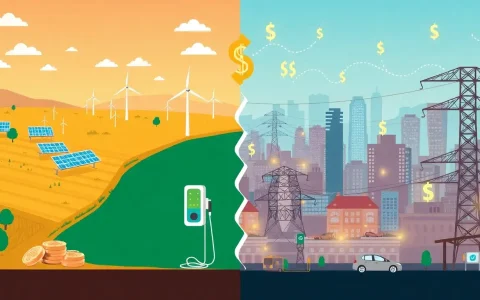
Energy storage can stabilize the grid by quickly balancing supply and demand, especially in areas with high penetration of intermittent renewable sources. This helps maintain voltage levels and prevent damage to equipment.
Overall, energy storage enhances grid resilience by providing a buffer against disruptions, ensuring power supply continuity, and supporting quicker recovery from outages.
Original article by NenPower, If reposted, please credit the source: https://nenpower.com/blog/how-does-energy-storage-contribute-to-grid-resiliency-during-outages/