

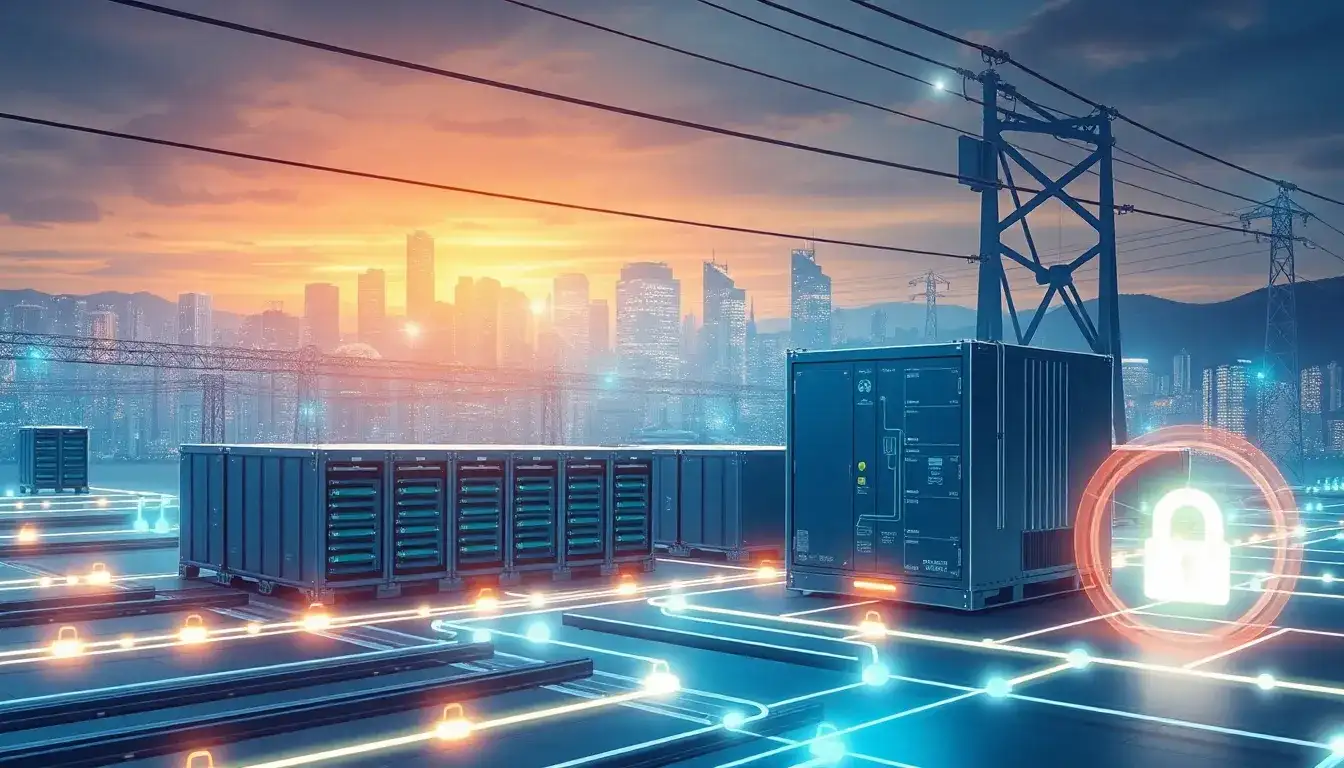
Strengthening Grid Resilience
Role of Energy Storage Systems
Energy storage plays a vital role in stabilizing the electric grid, particularly in the face of variable energy sources like wind and solar. By allowing for the storage of excess energy during peak production times and its release during demand surges, these systems help to balance supply and demand efficiently. This versatility makes them integral to modern grid operations, especially as utilities increasingly adopt decentralized energy resources.
Cybersecurity Threat Landscape
Increased Vulnerability
As energy storage systems become more interconnected and reliant on digital technologies, they also face heightened exposure to cybersecurity risks. Cyberattacks on utilities have surged, with an alarming increase in incidents reported, making the energy sector an attractive target for cybercriminals and nation-state actors. The vulnerabilities stem from various factors, including outdated infrastructure and the expanding attack surface due to the rapid digitalization of grid technologies.
Types of Cyber Threats
Key threats that target energy storage systems include:
- Unauthorized Access: Attackers can potentially take control of critical infrastructure if proper safeguards are not in place.
- Ransomware Attacks: These attacks can lock operators out of their systems, demanding ransom to restore access to vital operational data.
- Data Breaches: Cyber intrusions can result in the leakage of sensitive operational data, posing significant financial and reputational risks.
- Operational Disruptions: Techniques like command injections or distributed denial of service (DDoS) can directly disrupt energy distribution.
Mitigation Strategies
Enhancing Security Protocols
To combat these threats, energy storage operators must implement robust cybersecurity measures, which include:
- Zero-Trust Architecture: Emphasizing stringent access controls to limit who can interact with energy storage systems, ensuring even authorized users operate on a ‘least privilege’ basis.
- Predictive and Adaptive Security: Leveraging artificial intelligence and machine learning for real-time anomaly detection to proactively mitigate risks.
- Supply Chain Security: Ensuring that all components of the energy storage systems are sourced from reliable suppliers and are secure from upstream vulnerabilities, which includes verifying the software development practices of external vendors.
- Regulatory Compliance: Following guidelines set by organizations like the North American Electric Reliability Corporation (NERC) to strengthen cybersecurity measures for battery energy storage systems (BESS) will be mandated starting May 2025 for large systems.
Conclusion
Energy storage systems are not only essential for enhancing grid efficiency and reliability but also pivotal in the realm of cybersecurity. As these systems increasingly integrate with cloud-based technologies and IoT frameworks, their security becomes paramount. Continuous evolution in cyber defense strategies, compliance with regulations, and proactive risk management are critical to mitigating the risks associated with cyber threats in the energy sector.
Original article by NenPower, If reposted, please credit the source: https://nenpower.com/blog/how-does-energy-storage-contribute-to-cybersecurity-in-the-grid/

