

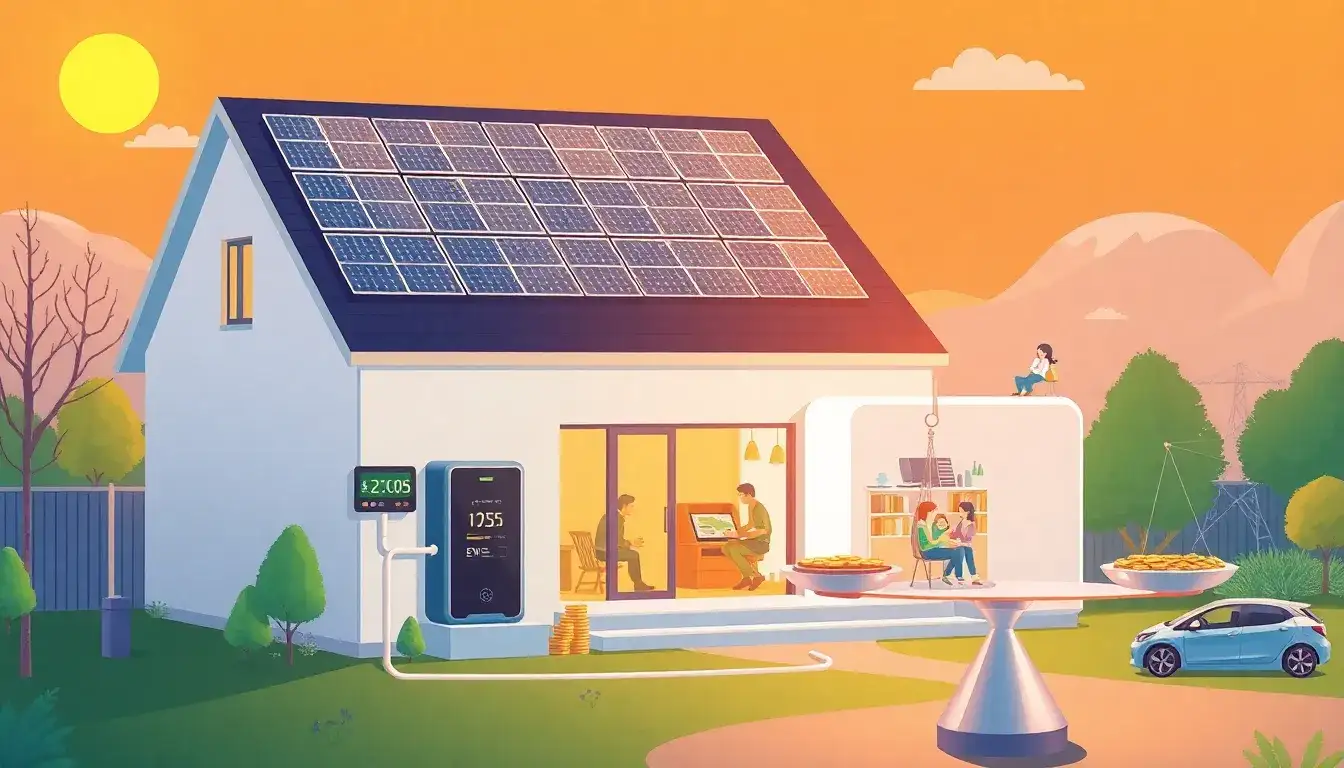
Energy storage contributes to cost savings for consumers primarily by allowing electricity to be stored when prices are low and then used or supplied back to the grid when demand and prices are high. This time-shifting of energy helps stabilize electricity costs and reduces the overall price consumers pay for power.
Key ways energy storage leads to consumer cost savings include:
- Storing Low-Cost Energy for High-Demand Periods: Batteries charge when electricity prices are low, such as during off-peak hours or when renewable generation is abundant, and discharge during peak demand times when prices spike. This reduces the need to buy expensive peak power, lowering consumers’ electricity bills. For example, in Texas, energy storage deployments contributed to $750 million in consumer energy cost savings during summer 2024 alone.
- Avoiding or Reducing Power Outages: Energy storage systems help maintain grid reliability and prevent outages, which can be costly for consumers and businesses. By providing backup power and grid balancing during supply shortages or extreme weather, storage systems reduce the financial risks associated with blackouts.
- Increasing Use of Affordable Renewable Energy: By storing excess energy from solar and other renewables generated during the day, energy storage enables more consistent use of clean energy around the clock. This reduces reliance on expensive fossil fuel generators, lowering fuel costs passed on to consumers.
- Mitigating Price Volatility: Storage mitigates sharp price spikes caused by scarcity during peak demand or supply constraints by releasing stored energy. This leads to more stable and predictable electricity prices, which translates to lower bills and cost savings for consumers over time.
- System and Grid Management Savings: Battery storage reduces costs associated with grid management and infrastructure investment by smoothing demand peaks and supporting grid stability. These system-wide savings benefit consumers through lower rates.
Overall, energy storage smooths supply and demand mismatches, supports reliable and renewable power integration, and helps avoid costly emergency measures, all of which combine to deliver significant cost savings to electricity consumers.
Original article by NenPower, If reposted, please credit the source: https://nenpower.com/blog/how-does-energy-storage-contribute-to-cost-savings-for-consumers/

