

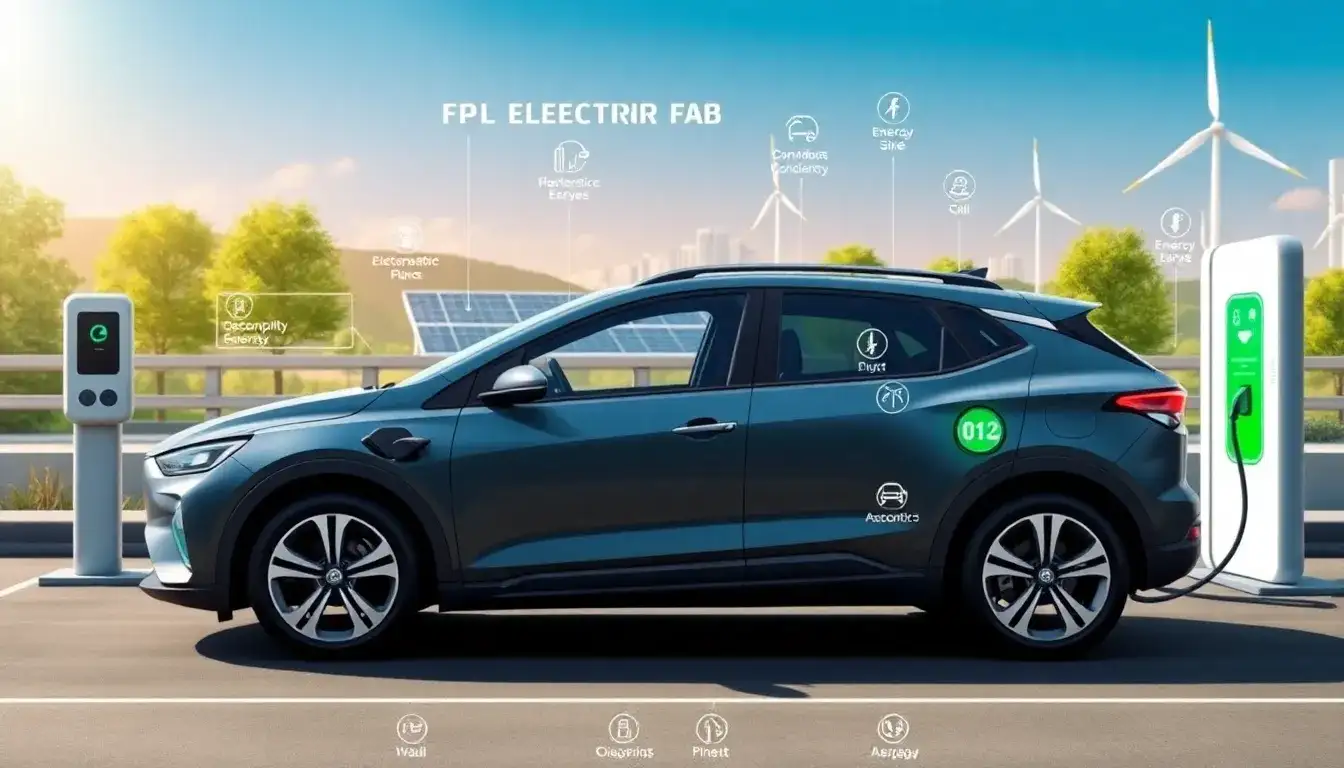
Impact on Electric Range
- Rapid Acceleration: Aggressive driving, characterized by rapid acceleration, speeds up battery depletion. This is because more power is drawn from the battery to achieve high speeds quickly.
- High Speeds: PHEVs, like other electric vehicles, experience reduced range when driven at high speeds due to increased aerodynamic drag and energy consumption.
- Sudden Braking: While PHEVs can benefit from regenerative braking, which captures some energy back into the battery during deceleration, aggressive braking can still be less efficient compared to smoother deceleration.
Energy Consumption and Efficiency
- Increased Energy Consumption: Aggressive driving increases energy consumption, which can lead to a quicker switch to using the internal combustion engine in PHEVs. This reduces the overall electric range by increasing reliance on the gasoline engine sooner.
- Variability in Driving Styles: The impact of driver aggressiveness can vary widely among individuals. Some drivers might achieve better efficiency by maintaining smoother acceleration patterns, regardless of the powertrain type.
Conclusion
Overall, driving aggressively tends to decrease the electric range of PHEVs by increasing energy consumption and reducing the efficiency of electric propulsion. Maintaining a smoother driving style can help maximize the electric range and overall efficiency of these vehicles.
Original article by NenPower, If reposted, please credit the source: https://nenpower.com/blog/how-does-driver-aggressiveness-specifically-impact-the-electric-range-of-phevs/

