

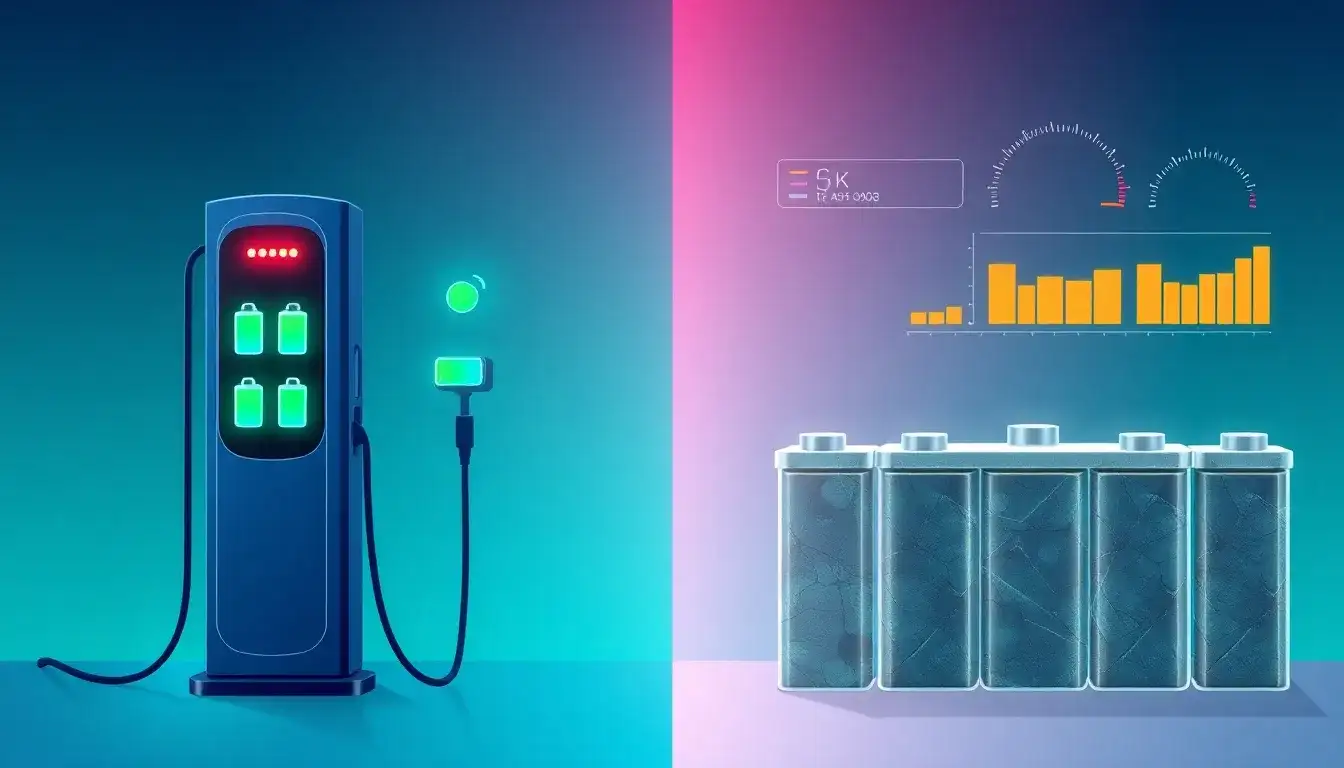
DC fast charging can impact the lifespan of an EV battery, though its effects are often debated and vary based on factors like usage frequency and environmental conditions.
Impact on Battery Life
- General Consensus: Some studies suggest that DC fast charging has a minimal impact on battery health and capacity over the long term. However, it is acknowledged that frequent rapid charging can slightly increase the rate of battery degradation.
- Heat Generation: DC fast charging generates more heat within the battery due to the rapid energy transfer. High temperatures accelerate chemical reactions and mechanical stress, which can contribute to accelerated battery degradation.
- Research Findings: Studies have shown that frequent DC fast charging, especially in hot climates, can lead to observable battery degradation compared to Level 2 or slower charging methods. A study on the Nissan Leaf found that exclusive use of DC rapid charging increased degradation by 16% when compared to slower charging methods.
- Current Understanding: While fast charging technology has advanced to mitigate significant degradation, it is still recommended to limit frequent use of DC fast charging to prolong battery life, particularly in hot environments. The convenience of fast charging often outweighs the minimal impact on battery life, but following best practices (like avoiding extreme temperatures and excessive fast charging) can help preserve battery longevity.
Conclusion
In summary, DC fast charging can have a slight impact on EV battery lifespan, especially if used excessively or in high-temperature conditions. However, with modern advancements in battery technology and charging management systems, the overall effect is generally considered minimal compared to the benefits of rapid charging convenience.
Original article by NenPower, If reposted, please credit the source: https://nenpower.com/blog/how-does-dc-fast-charging-affect-the-overall-lifespan-of-an-ev-battery/

