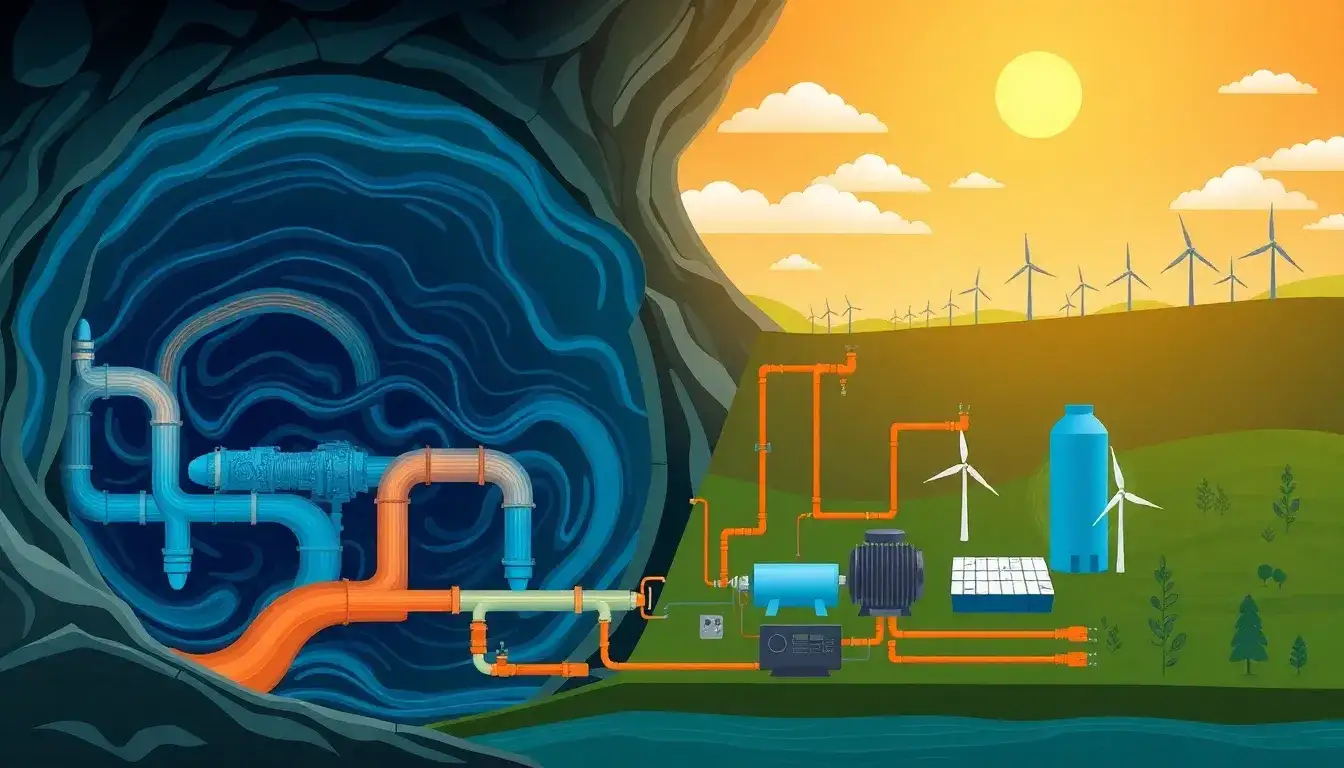
How Compressed Air Energy Storage Works
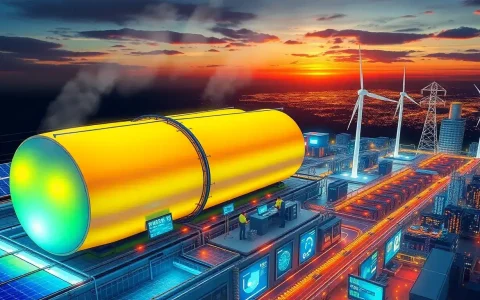
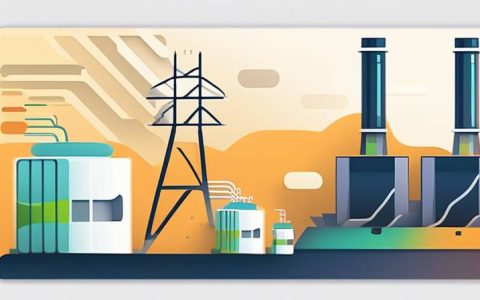
Compressed air energy storage (CAES) is a technology used to store electrical energy by compressing air and storing it in large underground caverns, typically during off-peak hours when electricity is less expensive. The process involves:
- Compression Phase: Electricity powers a compressor to compress ambient air, which is then stored in underground reservoirs such as salt caverns or depleted gas wells.
- Storage Phase: The compressed air remains stored until it is needed.
- Expansion and Generation Phase: During peak hours, the compressed air is released and expanded through a turbine, generating electricity. In traditional systems, additional heat from burning natural gas is often used to improve efficiency.
Benefits of Compressed Air Energy Storage
The benefits of CAES include:
- Scalability: CAES systems can store large amounts of energy, making them suitable for utility-scale applications. They can balance power grids with fluctuating renewable energy inputs.
- Cost-Effectiveness: While initial investment costs are high, CAES can offer long-term cost benefits due to low operational costs and long system lifetimes.
- Environmental Sustainability: When integrated with renewable energy sources, CAES can operate without fossil fuels, minimizing environmental impact. Additionally, CAES is inherently non-polluting when run without supplementary fuels.
- Efficiency and Flexibility: Improvements in thermal management, such as adiabatic systems, aim to enhance efficiency by storing heat generated during compression for use during expansion. CAES can also operate in various geographic settings, including coastal areas.
- Long-Duration Storage: CAES can store energy for extended periods, making it suitable for seasonal or long-term energy storage needs.
Original article by NenPower, If reposted, please credit the source: https://nenpower.com/blog/how-does-compressed-air-energy-storage-work-and-what-are-its-benefits/