

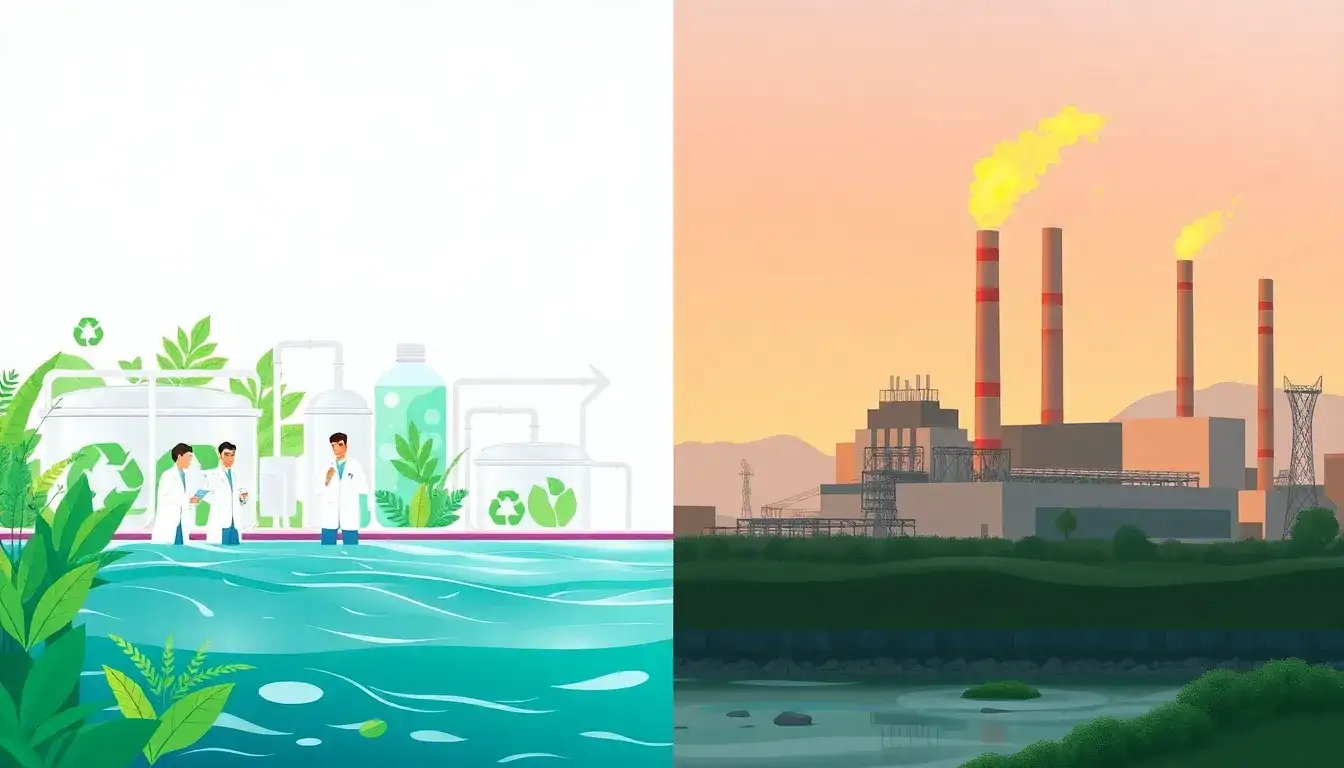
Chemical treatment can minimize environmental impact compared to thermal treatment primarily through its ability to transform hazardous pollutants into less toxic or nontoxic end-products, which facilitates safer disposal and reduces the release of harmful substances into the environment.
Key points where chemical treatment has environmental advantages over thermal treatment include:
- Lower energy consumption: Thermal treatment generally involves high-temperature processes that demand significant energy inputs, often leading to greenhouse gas emissions and higher carbon footprints. Chemical treatment, in contrast, typically operates at ambient or moderately elevated temperatures, reducing overall energy use and related emissions.
- Selective pollutant neutralization: Chemical treatments such as precipitation, ion exchange, or oxidation can specifically target and neutralize or remove toxic substances in wastewater or polluted media, converting them into stable forms that do not harm ecosystems upon disposal.
- Reduction of secondary pollutants: While thermal treatment may volatilize contaminants or create hazardous byproducts, chemical treatment processes tend to avoid releasing volatile toxic substances, thus lowering the risk of air pollution and toxic emissions.
- Water and soil protection: Effective chemical treatment of wastewater helps prevent the contamination of groundwater and surface water with hazardous chemicals, heavy metals, or organic pollutants that could otherwise harm aquatic life and disrupt ecosystems. Thermal treatment is less directly applicable to wastewater and may fail to prevent such contamination unless combined with other methods.
However, chemical treatment is not without environmental risks. If chemical usage is excessive or improperly managed, residual chemicals such as chlorine, chloramine, or phosphates can enter natural water bodies, causing toxicity to aquatic organisms, bioaccumulation, eutrophication, and disruption of biological processes. These adverse effects highlight the necessity for optimized chemical dosing and treatment design.
In summary, chemical treatment minimizes environmental impact relative to thermal treatment by enabling targeted, lower-energy pollutant neutralization and safer disposal of hazardous wastes, while reducing the risk of greenhouse gas emissions and toxic air pollutants. Careful management of chemical inputs is essential to avoid secondary ecological harm.
Original article by NenPower, If reposted, please credit the source: https://nenpower.com/blog/how-does-chemical-treatment-minimize-environmental-impact-compared-to-thermal-treatment/

