

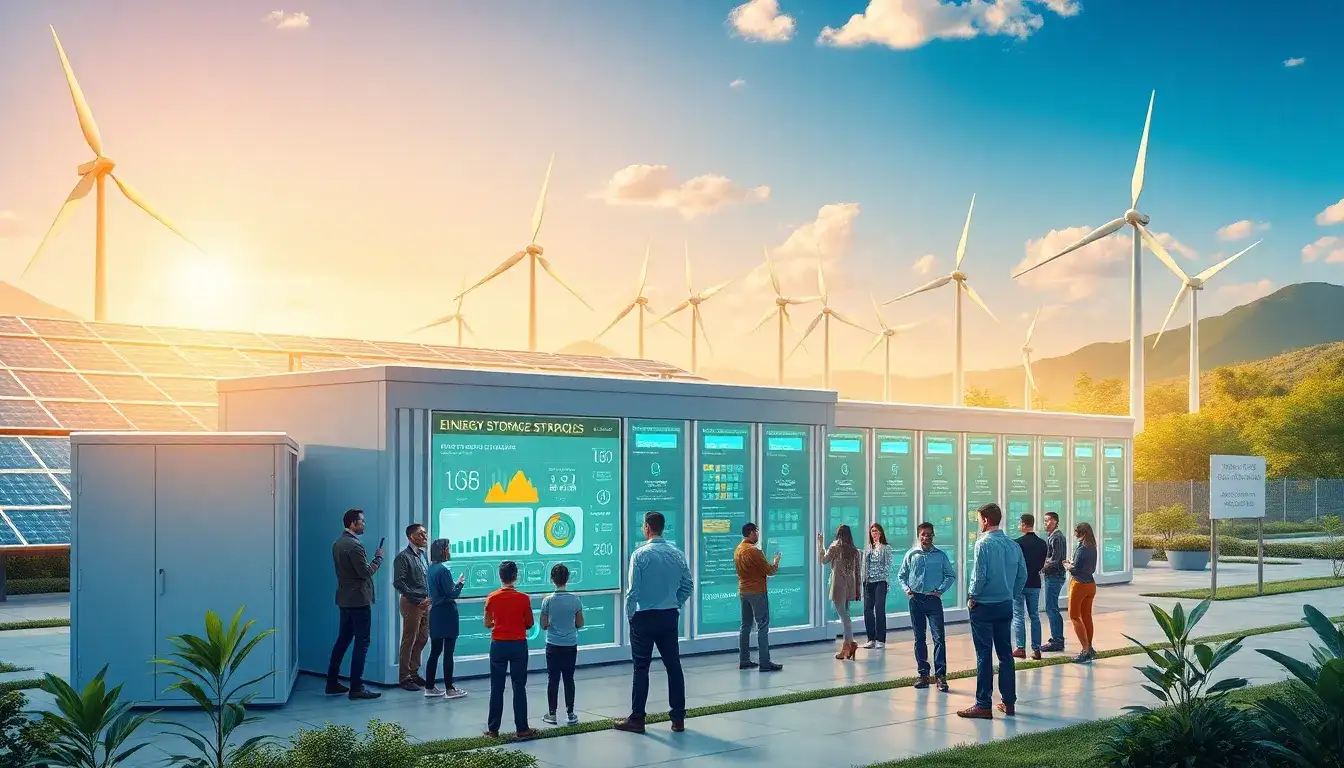
Blended Financing in Energy Storage Projects
Blended financing plays a crucial role in reducing the perceived risks of energy storage projects by combining public and private capital in a way that mitigates financial risks and encourages investment. Here’s how it helps:
Mechanisms of Blended Financing
- Risk Allocation: Blended financing structures risk allocation in a way that public capital often takes on the first-loss position or provides guarantees. This reduces the risk for private investors, making them more comfortable to invest in energy storage projects.
- Diversified Capital Pool: By pooling public and private capital, blended finance creates a more robust and diversified capital base, which can better withstand project risks compared to reliance solely on private funding.
- Concessional Financing: Public capital can be provided at favorable terms, such as lower interest rates or longer repayment periods. This concessional financing reduces the overall cost of capital for energy storage projects, making them more viable for developers.
- Crowding-in Private Capital: The participation of public capital providers, such as development banks or governments, signals to private investors that a project is viable and backed by credible entities. This can attract more private capital by reducing perceived risks.
- Securitization and Green Bonds: Projects can be bundled together and issued as green bonds, which are attractive to a wider range of investors due to their environmental benefits and potentially lower risk profiles. Partial credit guarantees from public sources can further increase the attractiveness of these bonds.
Impact on Energy Storage Projects
- Reduced Cost of Capital: Blended finance reduces the cost of capital for energy storage projects, making them more economic to develop and operate.
- Increased Creditworthiness: By incorporating guarantees or public-backed financing, projects can achieve higher credit ratings, making them more attractive to private investors.
- Access to Affordable Capital: Smaller or innovative energy storage projects, which might struggle to secure conventional funding, can benefit from blended finance models that address the gap between commercial returns and social or environmental objectives.
Overall, blended financing reduces perceived risks by structuring investments in a way that balances risk and return, thereby facilitating the deployment of energy storage solutions across various markets and technologies.
Original article by NenPower, If reposted, please credit the source: https://nenpower.com/blog/how-does-blended-financing-reduce-the-perceived-risks-of-energy-storage-projects/

