

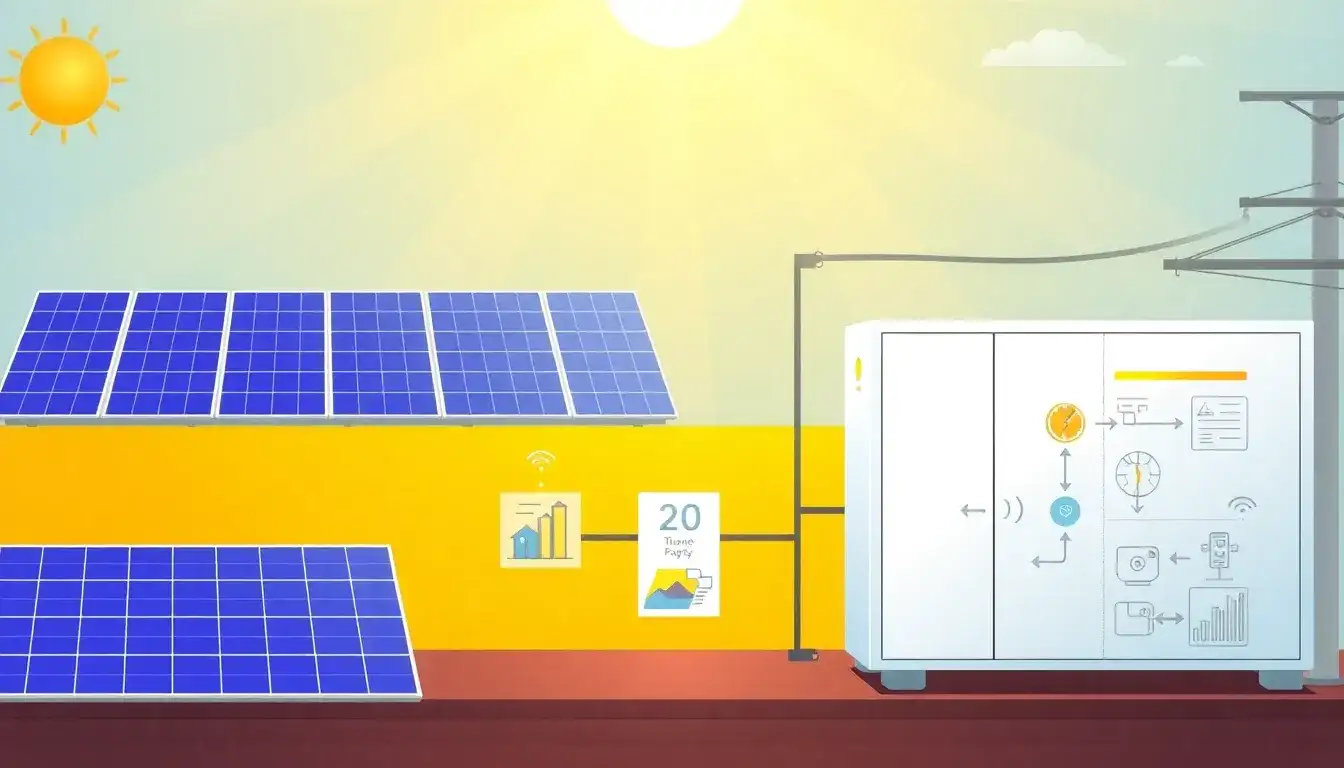
Battery storage plays a crucial role in balancing supply and demand in solar power systems by addressing the inherent intermittency of solar energy. Here are the key ways battery storage helps:
Balancing Supply and Demand
- Storing Surplus Energy: Batteries store excess energy generated by solar panels during peak sunlight hours. This stored energy can then be used during periods of low sunlight or high demand, effectively bridging the gap between solar energy availability and electricity demand.
- Optimizing Self-Consumption: By storing energy produced during the day, battery storage systems allow for optimal usage of solar power within the household or business, reducing the need to export excess energy to the grid or purchase it back during low-sunlight periods.
- Peak Shaving and Load Shifting: Battery storage enables the shifting of energy consumption from peak to off-peak hours. This helps alleviate strain on the grid during peak demand periods, reducing electricity costs and enhancing grid stability.
Enhancing Grid Stability and Flexibility
- Grid Support Services: Battery storage systems provide valuable grid support services such as frequency regulation and voltage control. These services stabilize the grid and improve overall system reliability, especially in areas with high solar power penetration.
- Ensuring a Consistent Power Supply: By storing energy for later use, batteries help in maintaining a consistent power supply despite fluctuations in solar energy generation due to weather conditions or time of day.
By addressing these aspects, battery storage enhances the efficiency, reliability, and sustainability of solar power systems, making them more viable for widespread adoption.
Original article by NenPower, If reposted, please credit the source: https://nenpower.com/blog/how-does-battery-storage-specifically-help-balance-supply-and-demand-in-solar-power-systems/

