

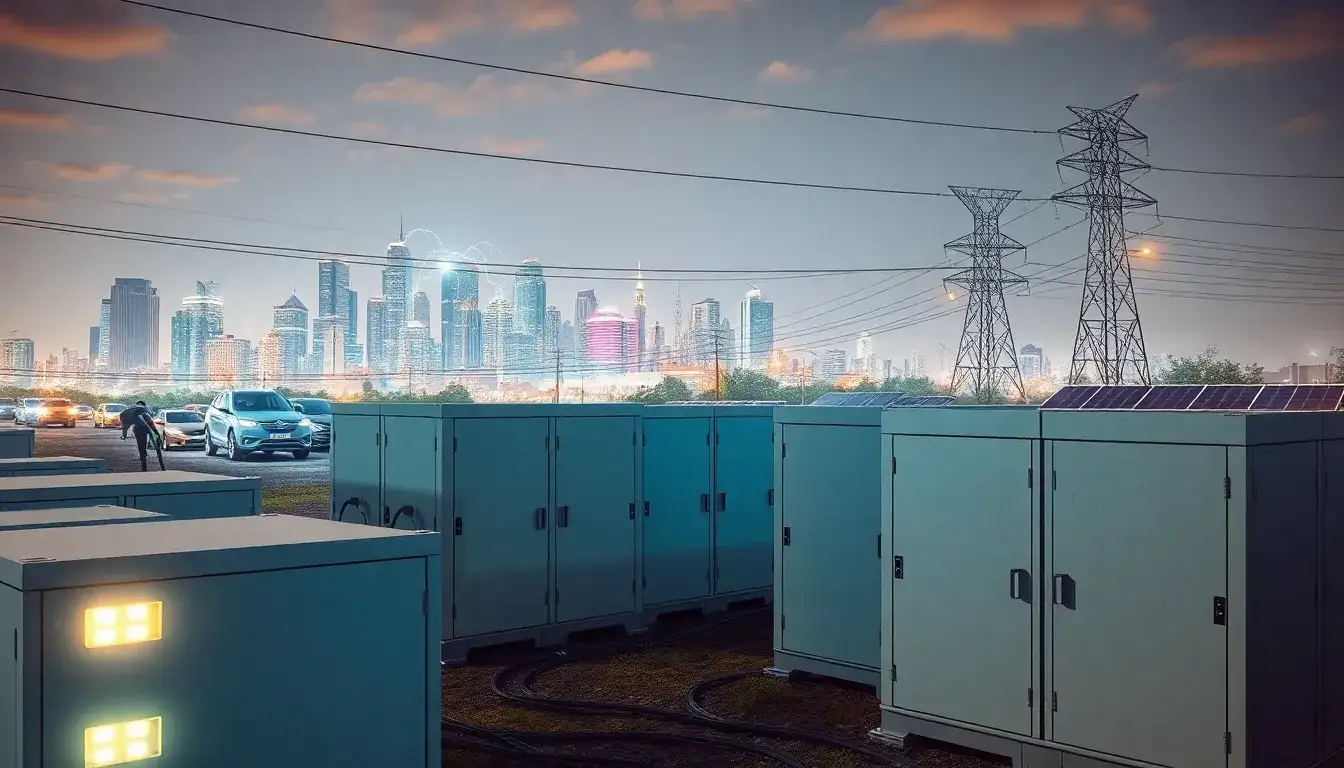
Role of Battery Energy Storage Systems (BESS) in Grid Stability
Peak Load Management
- Absorbing Excess Energy: During periods of low demand or high generation, BESS can charge and store excess energy, acting as a buffer to stabilize the grid.
- Supplying Energy During Peaks: During periods of peak demand, these stored reserves can be discharged back into the grid, reducing the strain on traditional power generation and decreasing the risk of grid failures or blackouts.
Frequency Regulation
- Rapid Response: BESS systems can dynamically adjust power output in real-time to maintain grid frequency within safe limits. This rapid response capability is faster than traditional thermal plants, making them highly effective in managing fluctuations during peak demand.
- Balancing Supply and Demand: By quickly adjusting to changes in supply and demand, batteries ensure that the grid frequency remains stable, even with the integration of intermittent renewable energy sources.
Enhanced Grid Resiliency
- Backup Power During Outages: BESS provides backup power during grid outages or equipment failures, helping maintain an uninterrupted electricity supply and enhancing grid resiliency.
- Seamless Renewable Integration: By storing excess renewable energy and releasing it when needed, BESS facilitates a smoother integration of renewable sources like solar and wind into the grid, further stabilizing the energy supply during peak periods.
Overall, battery storage systems are essential for maintaining grid stability during peak demand periods by efficiently managing power supply and demand fluctuations.
Original article by NenPower, If reposted, please credit the source: https://nenpower.com/blog/how-does-battery-storage-help-stabilize-the-grid-during-peak-demand-2/

