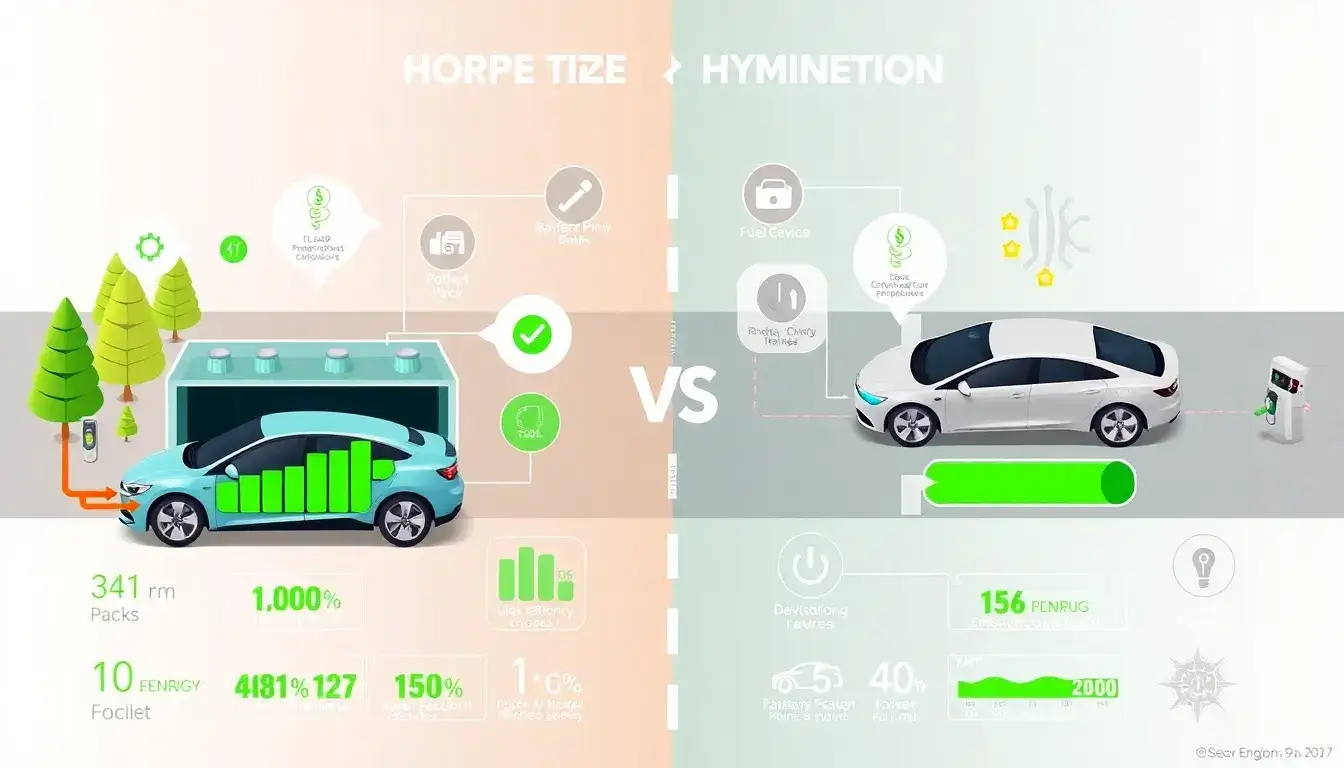
Impact of Battery Size on PHEVs’ Fuel Efficiency
- Increased Electric Range: Larger batteries allow PHEVs to travel longer distances using only electricity. This means that for shorter trips, a PHEV can operate entirely as an electric vehicle, achieving fuel efficiencies similar to those of all-electric vehicles. Typically, PHEVs have electric ranges of about 15 to 50 miles, depending on the specific model and battery size.
- Reduced Engine Usage: A larger battery pack means the combustion engine is used less frequently, especially during short trips or in city driving scenarios. This allows the engine to operate closer to its peak efficiency when it is used, as it can handle more continuous loads efficiently.
- Petroleum Displacement: Each kilowatt-hour of battery capacity can displace up to 50 gallons of petroleum fuels annually. Therefore, larger batteries in PHEVs can lead to greater reductions in fuel consumption over time, especially if the vehicle is driven mostly in electric mode.
- Overall Efficiency: Although PHEVs are not as efficient as all-electric vehicles across all driving conditions, they are generally more efficient than conventional hybrids due to their ability to leverage both electric and combustion engine efficiencies. This means they can offer better fuel economy on average compared to traditional hybrids, especially over short distances.
Conclusion
In summary, larger battery sizes in PHEVs can enhance fuel efficiency by increasing the electric-only driving range, reducing the frequency of engine use, and displacing more petroleum fuels. However, the actual efficiency achieved also depends on factors like driving habits and the efficiency of electricity generation and distribution.
Original article by NenPower, If reposted, please credit the source: https://nenpower.com/blog/how-does-battery-size-impact-the-fuel-efficiency-of-phevs/