

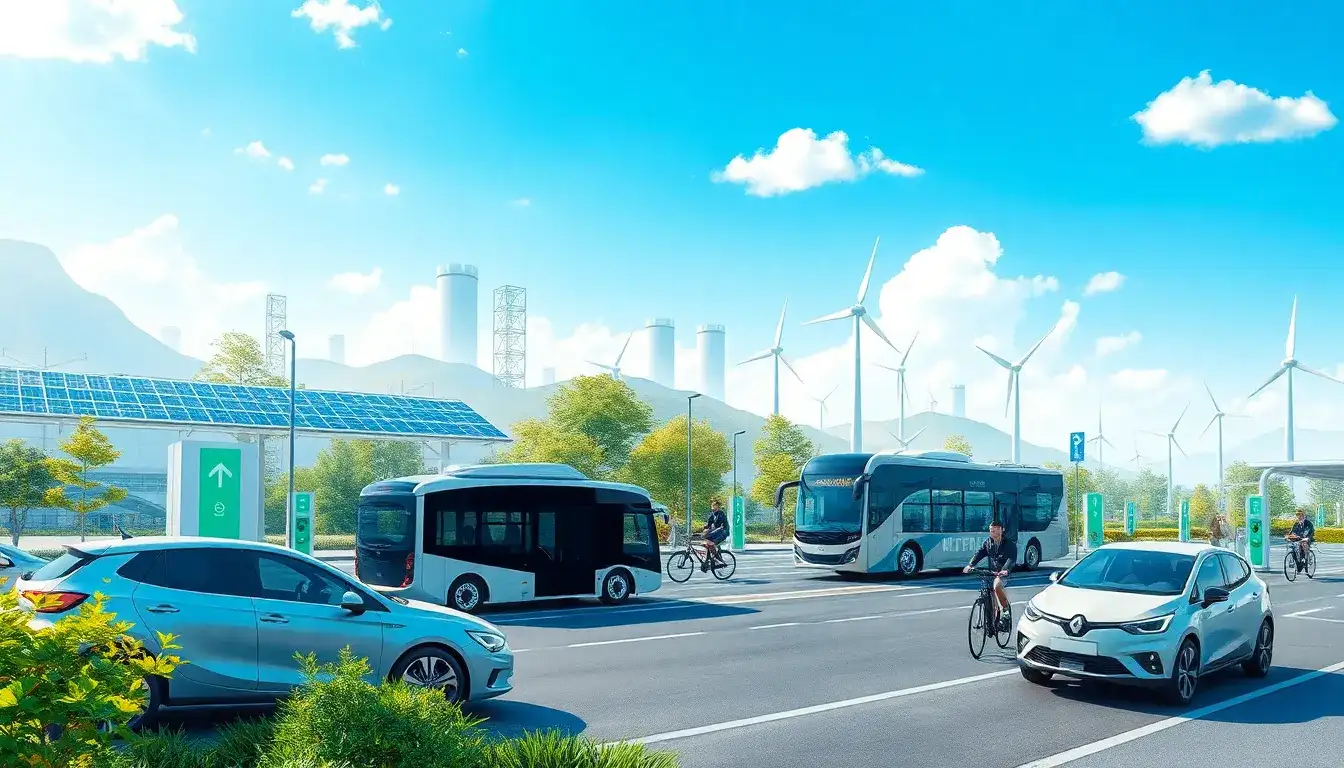
Battery energy storage contributes significantly to reducing greenhouse gas (GHG) emissions in the transportation sector primarily by enabling and accelerating the electrification of transport, which displaces fossil fuel use, and by optimizing the use of renewable energy. Here is a detailed explanation:
Key Contributions of Battery Energy Storage to Emission Reductions in Transportation
1. Enabling Electric Vehicle (EV) Adoption and Transport Electrification
- As EVs replace internal combustion engine vehicles, demand for oil and fossil fuels declines. The International Energy Agency (IEA) projects that by 2030, the growing fleet of EVs will displace the need for approximately 8 million barrels of oil per day, matching more oil saved than current road transport oil consumption in Europe.
- Batteries are integral to EVs and are thus direct drivers of reducing oil consumption and associated CO2 emissions in transport.
2. Supporting Renewable Energy Integration for EV Charging
- Battery energy storage systems (BESS) store excess renewable energy generated during periods of low demand (e.g., solar power midday) and discharge it during peak demand for EV charging or electric public transit.
- This use of stored renewable electricity reduces reliance on fossil-fuel based power plants for transport electrification, lowering the carbon footprint of electric transportation.
3. Grid Optimization and Load Management for Charging Infrastructure
- BESS help optimize charging infrastructure by managing peak electricity demand and balancing supply and demand in transport electrification scenarios.
- By releasing stored energy during peak charging periods, they reduce strain on the grid, avoiding the need to ramp up fossil fuel plants that typically meet peak loads, thereby reducing GHG emissions.
4. Vehicle-to-Grid (V2G) Integration
- Vehicle-to-grid technology enabled by batteries allows EVs to feed energy back to the grid during peak demand or emergencies. This bidirectional flow improves grid stability and can reduce the need for fossil fuel peaking plants.
- V2G systems also provide ancillary services like frequency regulation which further supports decarbonization of the electricity system feeding EVs.
5. Increasing Energy Efficiency and Reducing Carbon Intensity of Electricity Used for Transport
- Smart control of BESS optimizes charging times to align with periods of low grid carbon intensity (e.g., charging at night or when renewables generation is high), reducing overall emissions associated with electric transport.
- This strategic charging reduces transport sector emissions beyond just switching to electric vehicles by ensuring the electricity comes from cleaner sources.
6. Facilitating a Cleaner Power Grid for Broader Electrification
- Batteries support the growth of renewables in the power grid by mitigating intermittency and reducing curtailment of renewable energy.
- A cleaner grid benefits the transportation sector which depends increasingly on electricity, ensuring the shift to electric mobility yields maximal GHG reductions.
Summary Table of Battery Storage Contributions to Transport Emission Reduction
| Contribution Area | Emission Impact Mechanism | Description |
|---|---|---|
| Electrification of Transport | Replacing oil with electricity | EVs powered by batteries cut oil consumption and CO2 emissions. |
| Renewable Energy Integration | Charging EVs with stored renewable energy | BESS store renewable power for EV charging, reducing fossil fuel use. |
| Grid Load Management | Peak shaving, demand balancing | Reduces fossil fuel peaker plant operation during EV charging peaks. |
| Vehicle-to-Grid (V2G) | Bidirectional energy flow | EVs supply electricity back to grid during peak demand. |
| Smart Charging Aligned to Clean Grid | Charging during low-carbon intensity periods | Lower carbon footprint electricity for transport. |
| Supporting Renewable Grid Expansion | Enabling more renewables by smoothing supply-demand | Reduces overall grid emissions benefiting transport electrification. |
Important Considerations
- The emission reduction benefits depend critically on how batteries are managed and integrated into the grid; without smart control aligned to marginal emissions, batteries might not reduce emissions or could even increase them.
- Regions with strong renewable energy penetration and supportive policies (e.g., California) demonstrate clear emission benefits, while others need improved incentives and grid signals to maximize impact.
- Battery storage deployment must scale rapidly alongside renewables to meet ambitious climate targets and realize transport sector emission reductions at scale.
In conclusion, battery energy storage is a foundational technology that reduces greenhouse gas emissions in the transportation sector by enabling and optimizing the shift to electrified transport powered increasingly by clean renewable energy. Batteries improve grid integration of renewables, optimize charging infrastructure, enable vehicle-grid interactions, and ensure that electric transport uses cleaner electricity, all of which combine to significantly lower emissions compared to fossil-fueled transport.
Original article by NenPower, If reposted, please credit the source: https://nenpower.com/blog/how-does-battery-energy-storage-contribute-to-reducing-greenhouse-gas-emissions-in-the-transportation-sector/

