

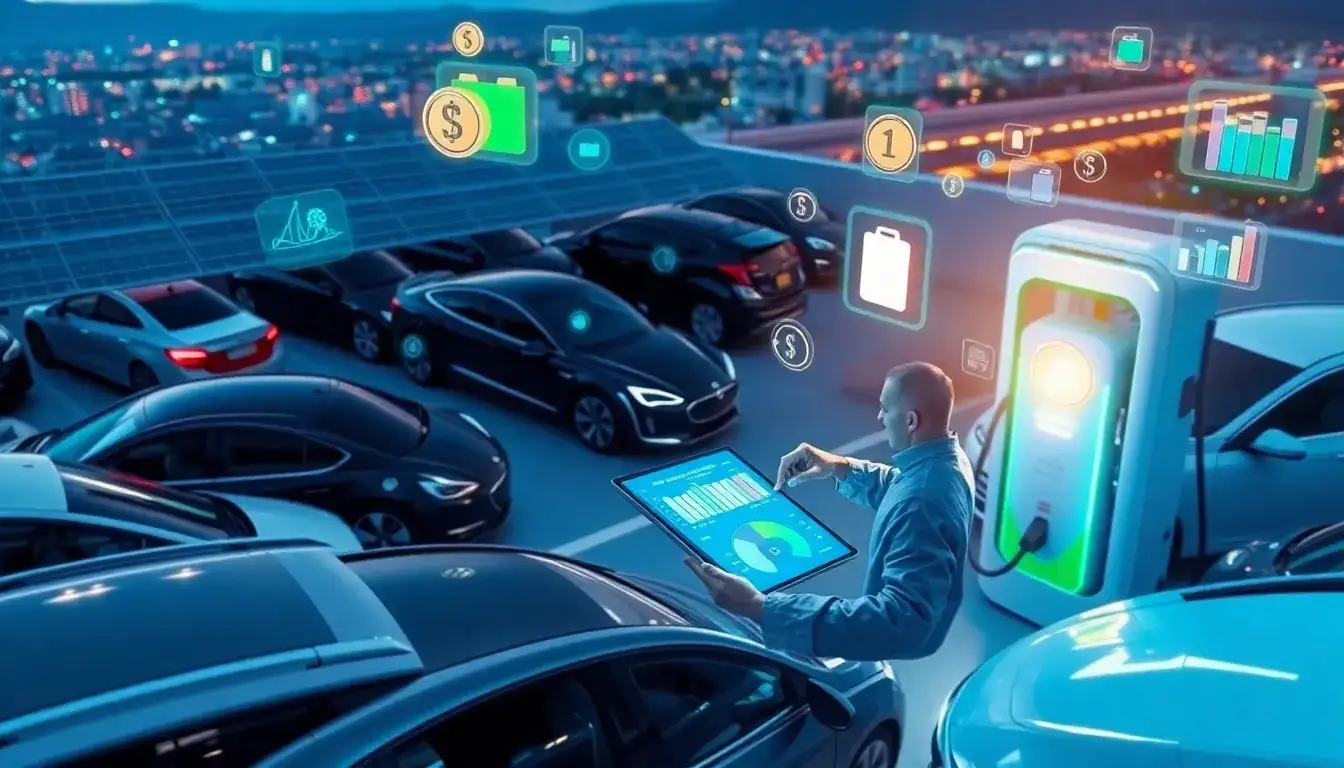
Battery degradation is a significant factor in the overall cost of EV fleet maintenance, but recent trends and technological advances have been mitigating its impact.
Battery Degradation Overview
- Capacity Loss: Batteries in EVs typically lose about 2.3% of their capacity annually. This translates to a limited range reduction over the vehicle’s lifetime, which is generally manageable for fleets.
- Warranty and Durability: EV batteries are often covered by an eight-year, 160,000 km warranty, which minimizes upfront risks for fleet owners. The batteries often outlast the vehicle’s usable life when properly managed.
Financial Impact on Maintenance
- Scheduled Maintenance Costs: EVs generally have lower scheduled maintenance costs compared to internal combustion engine vehicles, averaging about 6.1 cents per mile. However, battery maintenance and potential replacement can significantly influence overall costs.
- Battery Replacement Costs: The cost of replacing EV batteries has been decreasing. By 2030, it is predicted to be less than the cost of repairing a gas-powered engine. Currently, batteries can be remanufactured for about 40% of the cost of a new one if they cannot be repaired, or they can be sold for second-life use at about 30% of their original value.
- Strategy for Minimizing Costs: By limiting high-power DC charging and implementing effective charging strategies, fleets can help preserve battery health and extend their lifespan.
Conclusion
While battery degradation impacts the long-term maintenance cost of EV fleets, advances in technology and decreasing battery prices are making EVs more cost-effective over time. As the industry continues to evolve, EVs are likely to remain a viable option for fleets looking to reduce overall maintenance expenses.
Original article by NenPower, If reposted, please credit the source: https://nenpower.com/blog/how-does-battery-degradation-impact-the-overall-cost-of-ev-fleet-maintenance/

