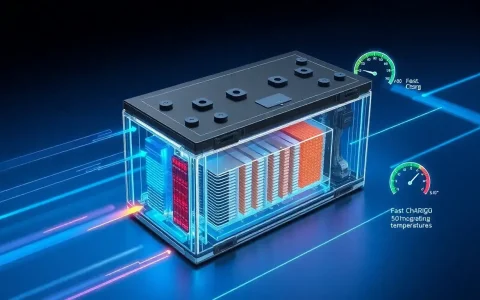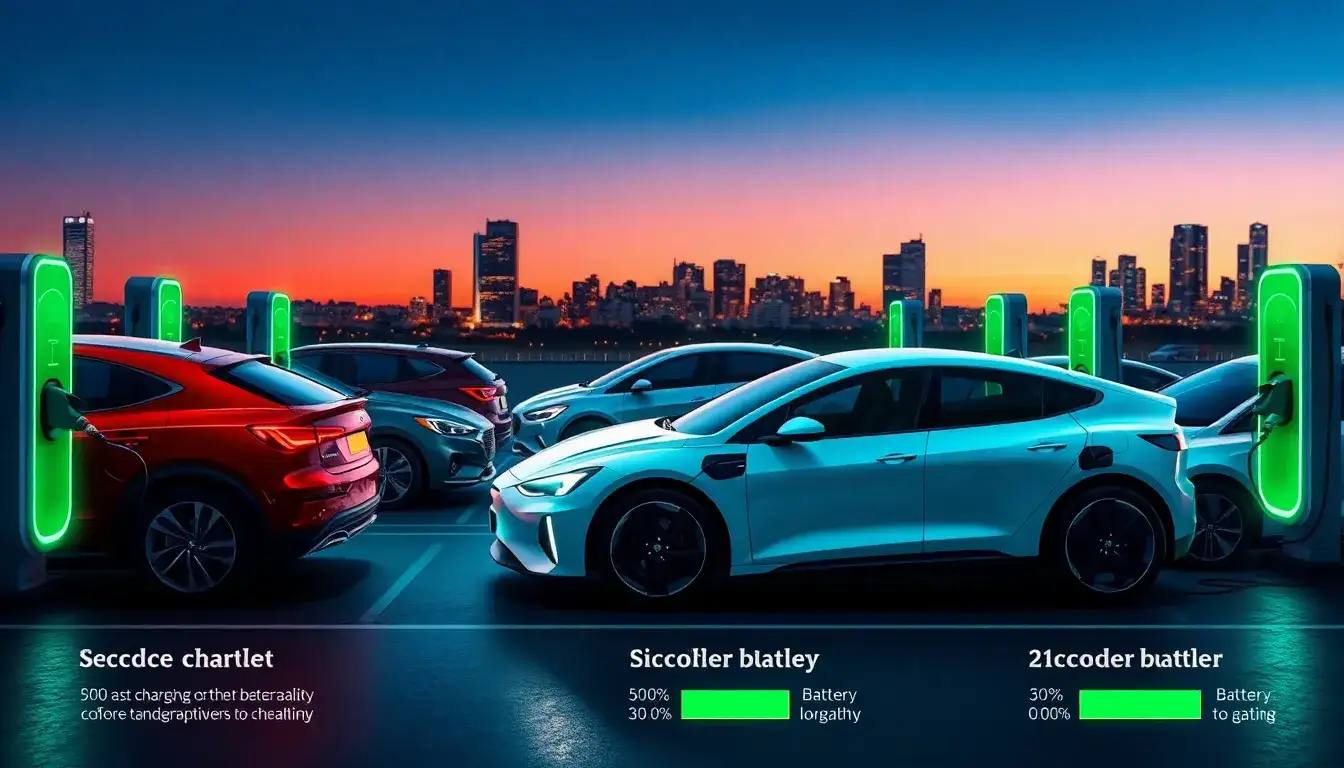
Battery degradation from fast charging varies somewhat between different EV models, but several studies indicate the impact is generally moderate and depends on multiple factors including battery chemistry, thermal management, and charging protocols.
General Findings on Fast Charging and Battery Degradation
- Fast charging can accelerate battery degradation due to higher voltages, currents, and elevated temperatures that strain the battery and promote chemical changes such as lithium plating and solid electrolyte interphase (SEI) layer growth.
- However, the degradation difference between fast charging and slower Level 2 charging is often small and may not be a major concern for typical EV owners.
- Battery thermal management and preconditioning systems in modern EVs help mitigate the negative effects of fast charging by maintaining optimal battery temperature during fast charge events.
Comparison Between Different EV Models and Studies
| EV Model/Study | Charging Protocols Compared | Degradation Difference Observed | Notes |
|---|---|---|---|
| Nissan Leaf (Idaho National Lab) | 50,000 miles Level 2 vs. Level 3 DC fast charging | ~24.5% vs. 27% capacity loss | Fast charging slightly higher degradation, ~2.5% difference |
| Tesla (Recurrent Motors Inc.) | Predominantly DC fast charging vs. rarely fast charging | No significant difference in battery capacity loss | Suggests Tesla’s battery/thermal systems handle fast charging well |
| Nissan Leaf (Pod Point study) | AC fast charging vs. exclusive DC rapid charging | 16% faster degradation with exclusive DC rapid charging | Shows impact of frequent rapid charging on a commonly studied model |
| General (Engineering Explained summary) | Fast charging vs. slow charging | 5% capacity difference after 50,000 miles | Notes temperature and state of charge also influence degradation |
Key Influencing Factors
- State of Charge (SoC): Higher SoC during charging increases lithium plating risk and degradation.
- Temperature: Optimal battery temperature (~25°C) reduces risk of degradation during fast charging. Cold batteries suffer more damage from lithium plating.
- Battery chemistry and design: Different EV battery chemistries and management systems impact how well a battery tolerates fast charging.
Summary
While fast charging generally leads to somewhat faster battery degradation compared to slower charging methods, the magnitude of this effect varies by model and depends heavily on thermal management and charging strategies. For example, Nissan Leafs showed a slight increase in degradation (roughly 2.5% to 16% more capacity loss), whereas Tesla vehicles analyzed showed no significant difference between frequent and infrequent fast charging. Modern EVs employ battery preconditioning and sophisticated controls to minimize the adverse impacts, making fast charging a practical option with only a modest tradeoff in battery longevity for most users.
In conclusion, battery degradation due to fast charging differs between EV models primarily based on battery system design and thermal management, but its overall impact is relatively minor in many cases. Drivers concerned about maximizing battery lifespan can reduce fast charging frequency, avoid charging at very high states of charge, and charge in moderate temperature conditions to further mitigate degradation.
Original article by NenPower, If reposted, please credit the source: https://nenpower.com/blog/how-does-battery-degradation-from-fast-charging-compare-between-different-ev-models/