

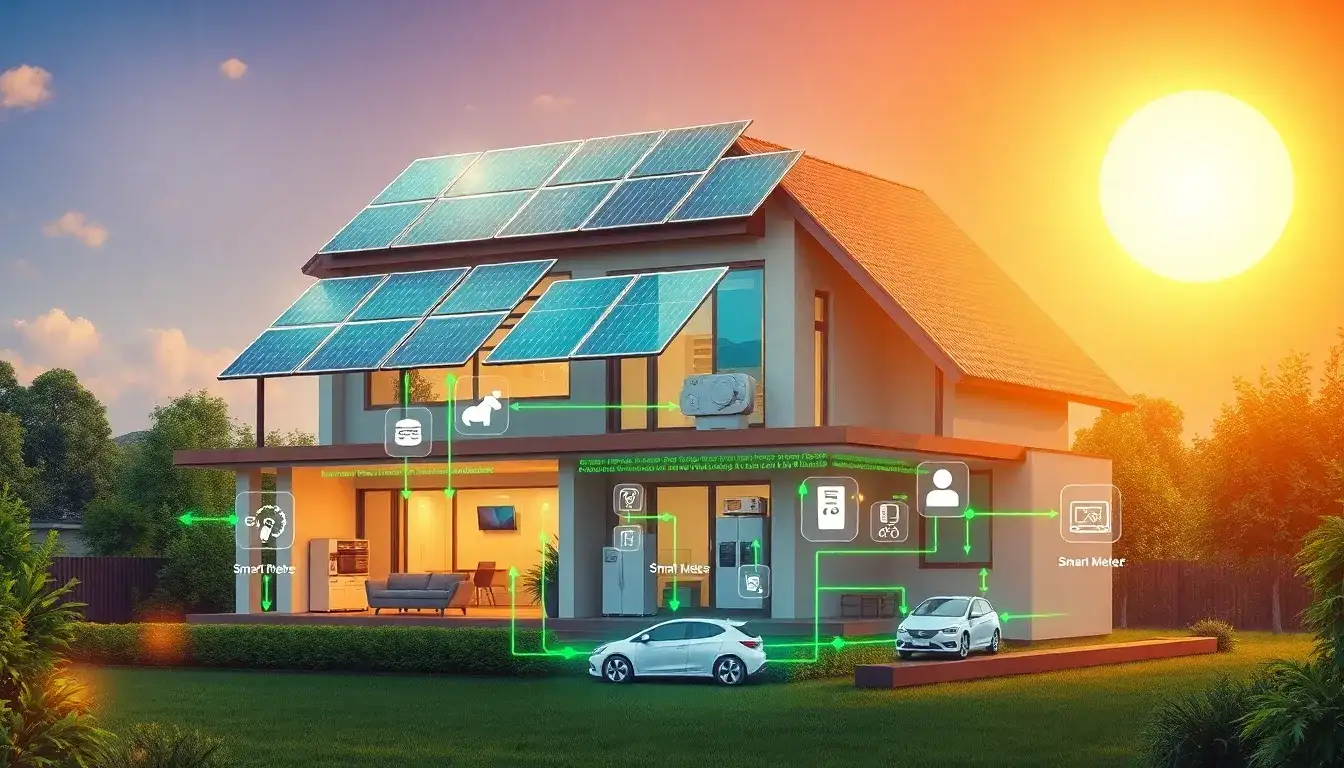
Automated load balancing improves energy efficiency in homes with solar panels primarily by dynamically managing how electrical power is distributed and consumed within the home. This optimization ensures that the energy generated by the solar panels is used more effectively, minimizing waste and reducing the reliance on external power sources.
How Automated Load Balancing Enhances Energy Efficiency
- Optimized Power Distribution: Automated load balancers continuously monitor and adjust the distribution of electricity among various home appliances and systems, matching energy supply (solar generation) with demand in real time. This helps to prevent excess power usage or unnecessary energy draw from the grid, ensuring solar energy is maximally utilized.
- Minimizing Energy Waste: By adapting power supply dynamically, the system prevents overloading and reduces the chance of excess energy being wasted due to imbalanced or poorly matched loads. This real-time adjustment leads to less energy loss and better overall efficiency.
- Reduced Peak Demand and Improved Load Factor: Automated load balancing smooths out spikes in electricity demand by distributing loads more evenly over time. A higher load factor, which means a steadier and more consistent electricity use relative to peak demand, contributes to better energy efficiency and less strain on the electrical system.
- Energy Savings and Performance: Systems that incorporate AI-driven automated load balancing have demonstrated significant energy savings across different workload scenarios (such as homes with variable energy demands). These algorithms predict future demand and adjust power accordingly, leading to reduced overall consumption and maintaining system performance without compromising comfort or functionality.
- Integration with Solar Panels: For homes with solar panels, automated load balancing can prioritize the use of solar-generated electricity during peak production times, shifting flexible loads to these periods (e.g., running dishwashers or charging electric vehicles when solar power is abundant). This reduces the need to draw energy from the grid, lowering utility costs and improving home energy autonomy.
Summary
Automated load balancing in homes with solar installations dynamically manages electrical loads to:
- Maximize the use of solar-generated energy,
- Reduce energy waste by preventing overload and inefficient power use,
- Smooth out electrical demand to improve efficiency,
- Lower overall electricity consumption and costs,
- Maintain performance and reliability of home electrical systems.
Together, these effects lead to more sustainable and cost-effective home energy management.
Original article by NenPower, If reposted, please credit the source: https://nenpower.com/blog/how-does-automated-load-balancing-improve-energy-efficiency-in-homes-with-solar-panels/

