

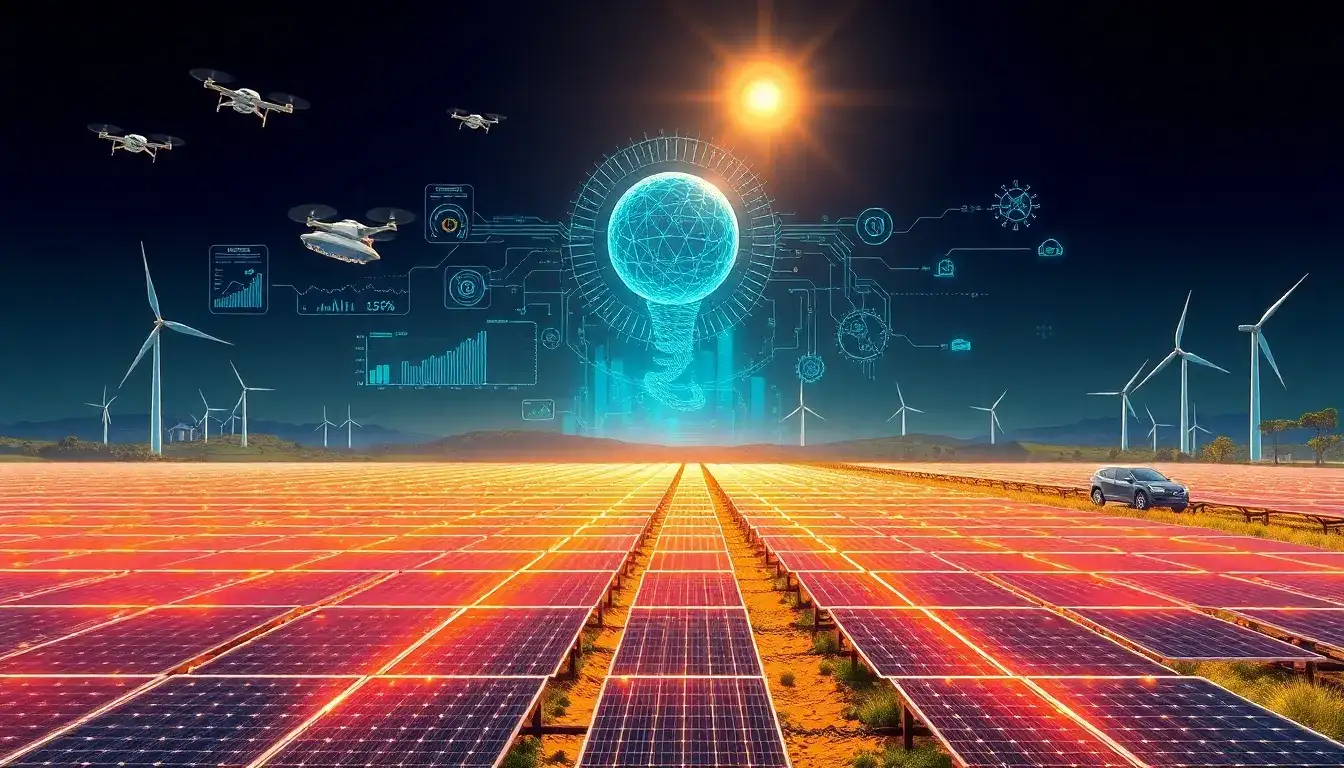
AI predicts solar panel energy output through advanced machine learning techniques that analyze diverse data sources to model complex environmental and operational relationships. Here’s a structured breakdown:
Core Methodology
AI-driven forecasting integrates multiple data streams:
- Historical solar output: Past performance data from solar panels under varying conditions
- Weather intelligence: Satellite imagery, ground sensors, and weather models tracking cloud cover, temperature, humidity, and irradiance
- Asset metadata: Panel orientation, tilt angles, and maintenance records
- Real-time monitoring: Instantaneous weather updates and panel performance metrics
Technical Implementation
- Machine learning models: XGBoost, neural networks, and time-series analysis process multidimensional relationships between weather patterns and energy production
- Feature engineering: Converts raw data into meaningful predictors like cloud movement velocity and panel degradation rates
- Continuous learning: Models automatically retrain using new data to maintain accuracy against seasonal variations and panel aging
Operational Benefits
- Grid stability: Reduces forecast errors by 30-37%, enabling better supply-demand balancing
- Maintenance optimization: Detects performance anomalies and schedules repairs during low-production periods
- Energy trading: Provides precise 15-minute to 48-hour forecasts for optimal market bidding
- System adjustments: Automates panel tilting and battery storage management in response to real-time predictions
Leading implementations like Dexter Energy’s pipeline and Open Climate Fix’s open-source models demonstrate how AI transforms solar forecasting through robust data filtering, human-in-the-loop validation, and computational efficiency enhancements.
Original article by NenPower, If reposted, please credit the source: https://nenpower.com/blog/how-does-ai-predict-energy-output-for-solar-panels/

