

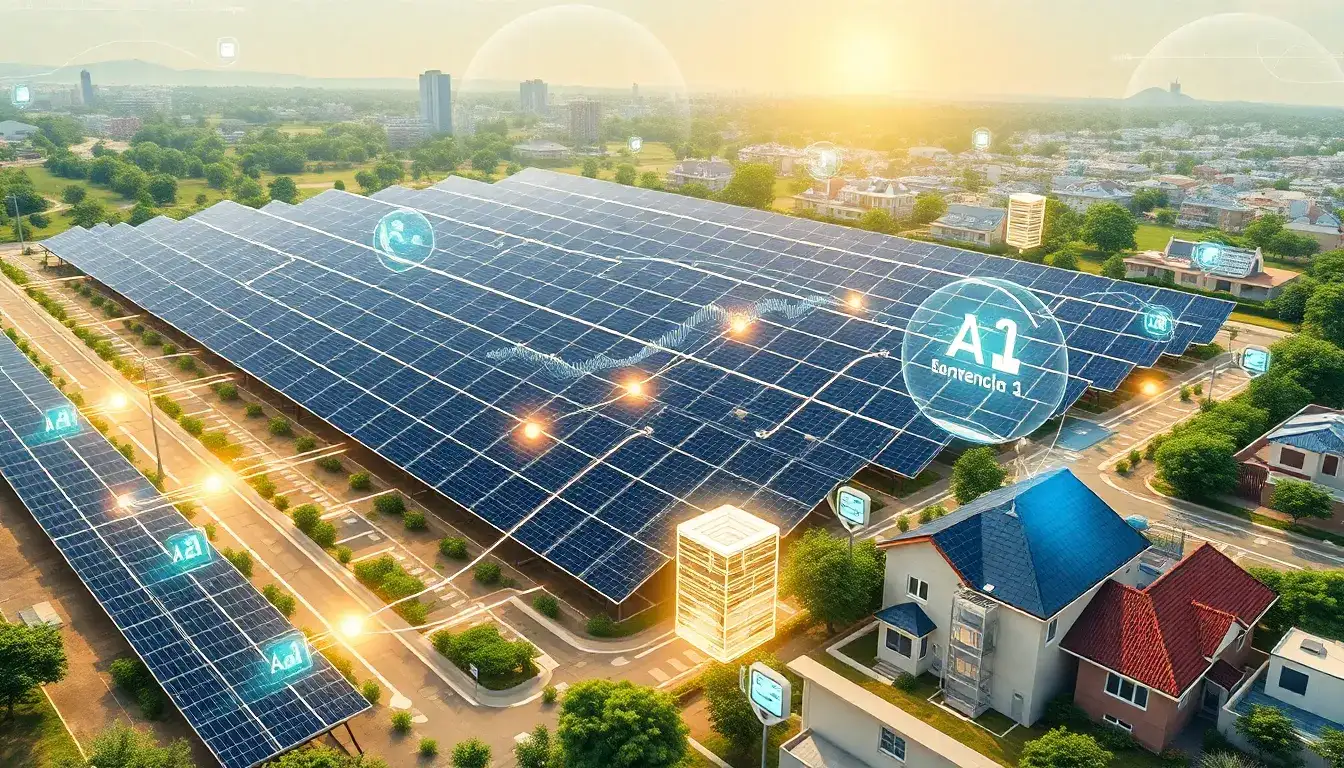
AI-powered Energy Management in Solar Systems
AI-powered energy management significantly enhances the efficiency of solar systems through several key mechanisms: advanced predictive maintenance, accurate forecasting, optimized energy management, and improved grid integration.
Key Mechanisms of AI in Solar Energy Management
1. Predictive Maintenance
AI technologies enable predictive maintenance by continuously monitoring solar installations using data analytics and machine learning algorithms. These systems analyze various factors such as temperature, irradiance, and panel orientation to identify potential issues before they lead to significant performance declines. This proactive approach can reduce downtime by up to 70% and lower maintenance costs by about 25%. Early detection of equipment failures ensures that solar panels and other components work at peak efficiency and extend their operational lifespan.
2. Enhanced Forecasting
AI excels in predicting energy generation and managing energy loads by analyzing meteorological data and historical patterns. By leveraging machine learning algorithms, AI can provide accurate forecasts for solar power production based on incoming weather conditions. This capability allows solar operators to manage energy storage effectively and align energy supply with demand, thus optimizing overall system performance. Accurate forecasting also enables better planning for energy delivery, thereby enhancing grid stability.
3. Smart Energy Management
AI systems optimize energy consumption through intelligent energy management strategies. They analyze real-time data to adjust energy use patterns, managing load balancing and peak shaving. By predicting when solar generation will be highest, AI can schedule energy-intensive tasks for those periods and efficiently manage battery storage systems, reducing reliance on the grid. This not only enhances the cost-effectiveness of solar energy systems but also maximizes the utilization of generated power.
4. Improved Grid Integration
AI enhances the integration of solar energy into existing grids, addressing challenges such as supply-demand mismatches and fluctuations. By predicting solar input and monitoring grid conditions, AI systems can make real-time adjustments to energy distribution, preventing overloads and enhancing reliability. These smart grid solutions contribute to a more stable power supply and facilitate the broader adoption of solar technologies.
5. Optimized Panel Placement and Design
Using AI algorithms, solar energy systems can determine the optimal placement of panels based on geographical and environmental factors, such as shading and roof angle. This optimization leads to higher energy yields and improved overall system efficiency, as systems are designed to capture maximum sunlight throughout the day.
6. Enhanced Customer Experience
Finally, AI contributes to improving customer experience by providing intuitive interfaces for monitoring and managing solar energy systems. Smart home applications use AI to adjust energy consumption automatically, balancing solar production with household needs to optimize performance. This technology reduces the complexity of energy management for end-users, ensuring that they can maximize their energy savings while minimizing waste.
Conclusion
In summary, AI-powered energy management plays a transformative role in enhancing the efficiency of solar systems. By leveraging predictive maintenance, accurate forecasting, smart energy management, and improved grid integration, AI optimizes the performance and reliability of solar energy, making it a more viable and sustainable energy source for the future. The continuous integration of AI in solar technologies not only maximizes energy production but also streamlines operations and enhances user experiences.
Original article by NenPower, If reposted, please credit the source: https://nenpower.com/blog/how-does-ai-powered-energy-management-improve-the-efficiency-of-solar-systems/

