

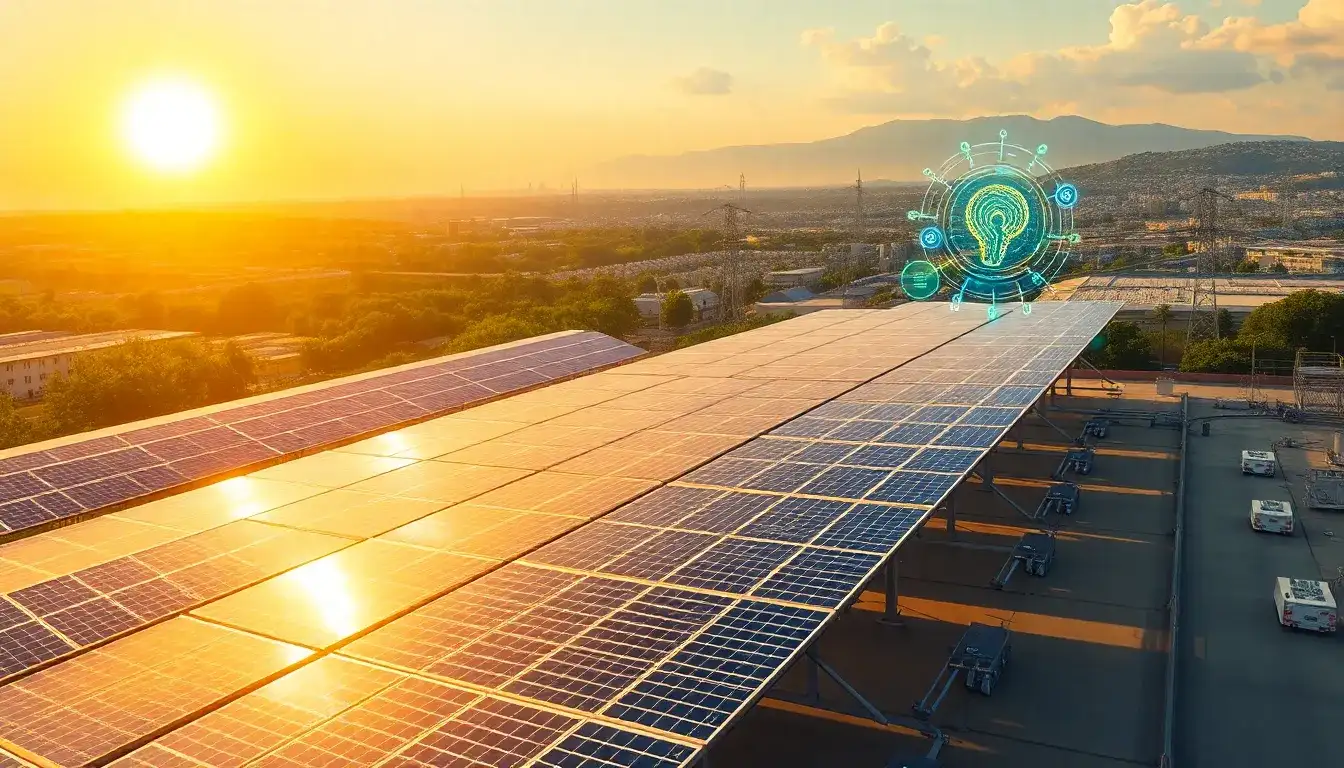
AI Roles in Energy Storage Optimization for Solar Systems
- Forecasting Energy Production and Consumption:
AI uses machine learning models to predict solar energy generation by analyzing weather data, historical solar radiation, and real-time meteorological conditions. It also forecasts energy demand by examining historical usage and consumption patterns. This dual forecasting capability enables precise planning for when and how much energy to store or dispatch from batteries. - Controlling Charge and Discharge Cycles:
AI algorithms determine the optimal timing to charge batteries (storing surplus solar energy during periods of high production) and to discharge stored energy (supplying power when solar production is low or demand is high). This dynamic control maximizes battery lifespan by reducing unnecessary cycling and prevents energy waste. - Enhancing Battery Efficiency and Conservation:
By continuously monitoring battery health, temperature, and performance data, AI helps maintain optimal operating conditions. This prevents premature degradation and ensures energy is conserved effectively for times when solar input is unavailable, like nighttime or overcast periods. - Integrating with Smart Grids for Energy Distribution:
AI-enabled storage systems are integrated with intelligent grid management platforms, allowing energy storage to support grid stability by balancing supply and demand dynamically. AI forecasts energy availability and usage to schedule storage dispatch, which reduces reliance on fossil fuel backup sources and mitigates grid instability. - Improving Economic Efficiency:
AI can incorporate external factors such as electricity prices and demand response signals to optimize the use of stored solar energy economically—for instance, discharging energy when prices peak or storing more when prices are low—thus yielding cost savings alongside improved energy utilization.
Summary Table of AI Contributions to Solar Energy Storage
| AI Function | Description | Benefit |
|---|---|---|
| Energy Production & Consumption Forecasting | AI predicts solar output and load demand analysis | Better planning of storage needs and energy flow |
| Charge/Discharge Cycle Optimization | Controls timing and amount of battery charging/discharging | Extends battery life and maximizes stored energy use |
| Battery Health Monitoring | Tracks battery status and environmental conditions | Maintains battery efficiency and longevity |
| Grid Integration & Smart Distribution | Coordinates storage with grid demand and supply | Enhances grid reliability and renewable energy penetration |
| Economic Optimization | Uses price and demand data to optimize economic dispatch | Reduces costs and improves financial returns |
In essence, AI transforms solar energy storage from a passive reservoir into an intelligent system that actively manages energy flows, anticipates needs, and harmonizes solar power with broader energy demands and grid operation. This leads to higher overall efficiency of solar systems, reduces energy waste, lowers operational costs, and supports the transition to a sustainable energy future.
Original article by NenPower, If reposted, please credit the source: https://nenpower.com/blog/how-does-ai-optimize-energy-storage-in-solar-systems/

