

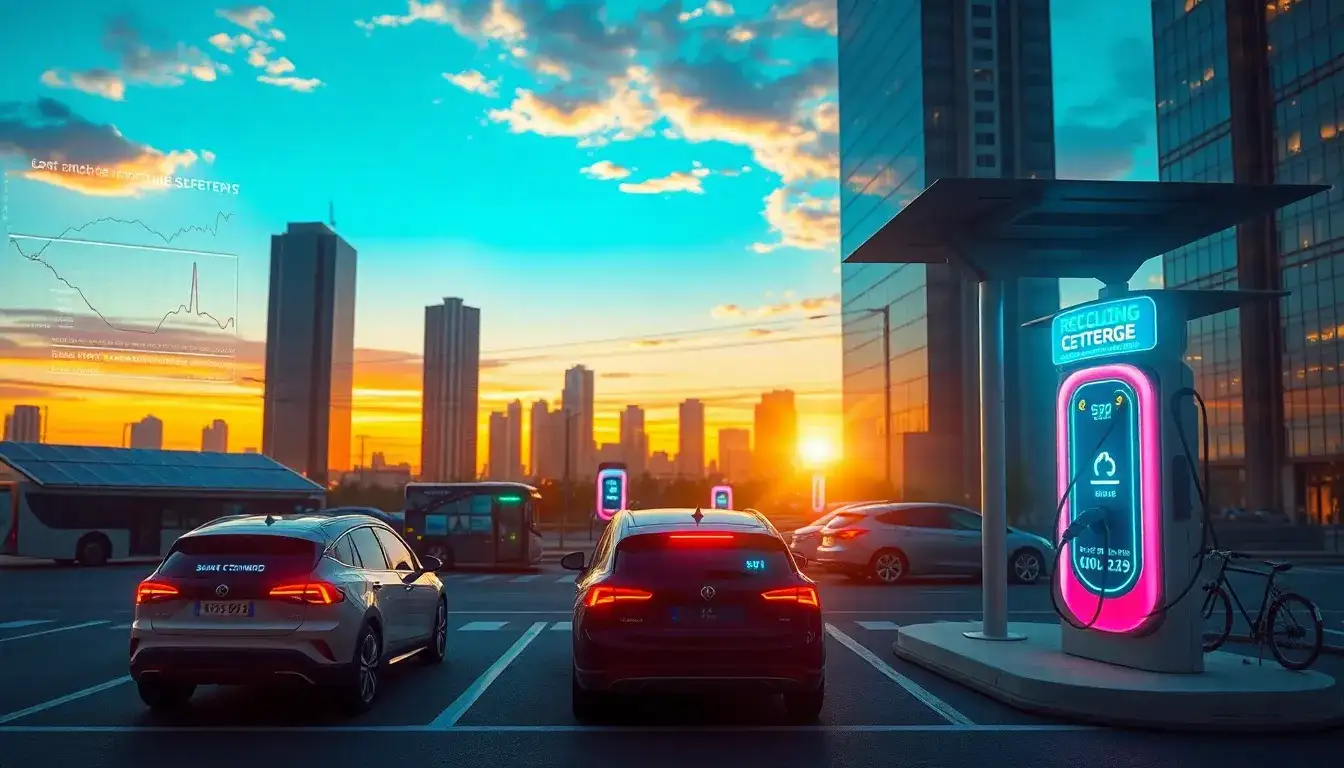
AI optimizes charging times to minimize energy costs primarily by using real-time data, predictive analytics, and sophisticated algorithms that leverage time-of-use (TOU) pricing and grid conditions.
How AI Optimizes Charging Times to Minimize Costs
- Leveraging Time-of-Use Pricing
AI systems access TOU pricing information, which reflects varying electricity rates depending on the time of day. Since electricity is cheaper during off-peak hours, AI schedules charging sessions preferentially during these low-cost periods to reduce expenses for consumers. - Real-Time Data Collection and Analysis
Charging stations equipped with AI use sensors and communication technologies to collect real-time data about the electric vehicle’s (EV) battery state, grid load, and current energy prices. This continuous data stream allows AI to dynamically adjust charging times and rates in response to immediate conditions, optimizing both cost and grid efficiency. - Predictive Charging Algorithms
AI employs machine learning models that analyze historical and current data regarding user behavior, grid demand, and energy price fluctuations. These predictive models forecast the best times to charge vehicles to minimize costs while respecting user preferences and travel schedules. This minimizes waste and avoids charging during peak demand when rates are higher. - Load Shifting and Peak Demand Management
AI coordinates EV charging to shift energy consumption away from peak grid periods, reducing strain on electrical infrastructure and enabling better use of renewable energy sources. This also helps reduce the overall cost of energy supply by smoothing demand spikes. - Vehicle-to-Grid (V2G) Integration
Some AI systems incorporate V2G technology, enabling bidirectional energy flow. AI can decide when to draw power from or send energy back to the grid based on peak demand and price signals, thus optimizing costs and supporting grid stability. - Enhanced User Experience with Personalization
AI customizes charging schedules according to individual user habits, preferences, and real-time grid status, ensuring convenience without compromising cost savings. This personalization balances timely vehicle availability with cost-efficient charging.
Summary Table of AI Charging Optimization Factors
| Optimization Factor | Description | Benefit |
|---|---|---|
| Time-of-Use Pricing | Charges during low-rate, off-peak hours | Reduces electricity costs |
| Real-Time Data Analysis | Monitors grid load, prices, battery status | Dynamic, efficient charging |
| Predictive Algorithms | Forecasts optimal charging times based on data patterns | Minimizes costs and wait times |
| Load Shifting | Delays or advances charging to avoid grid peaks | Eases grid stress and costs |
| Vehicle-to-Grid (V2G) | Enables energy flow back to the grid when beneficial | Cost savings and grid support |
| Personalized Scheduling | Tailors charging to user needs and habits | Convenience and efficiency |
In essence, AI blends data-driven insights with grid intelligence to schedule EV charging when energy is cheapest and grid demands are lowest, significantly lowering the cost of charging while enhancing grid reliability and user convenience.
Original article by NenPower, If reposted, please credit the source: https://nenpower.com/blog/how-does-ai-optimize-charging-times-to-minimize-energy-costs/

