

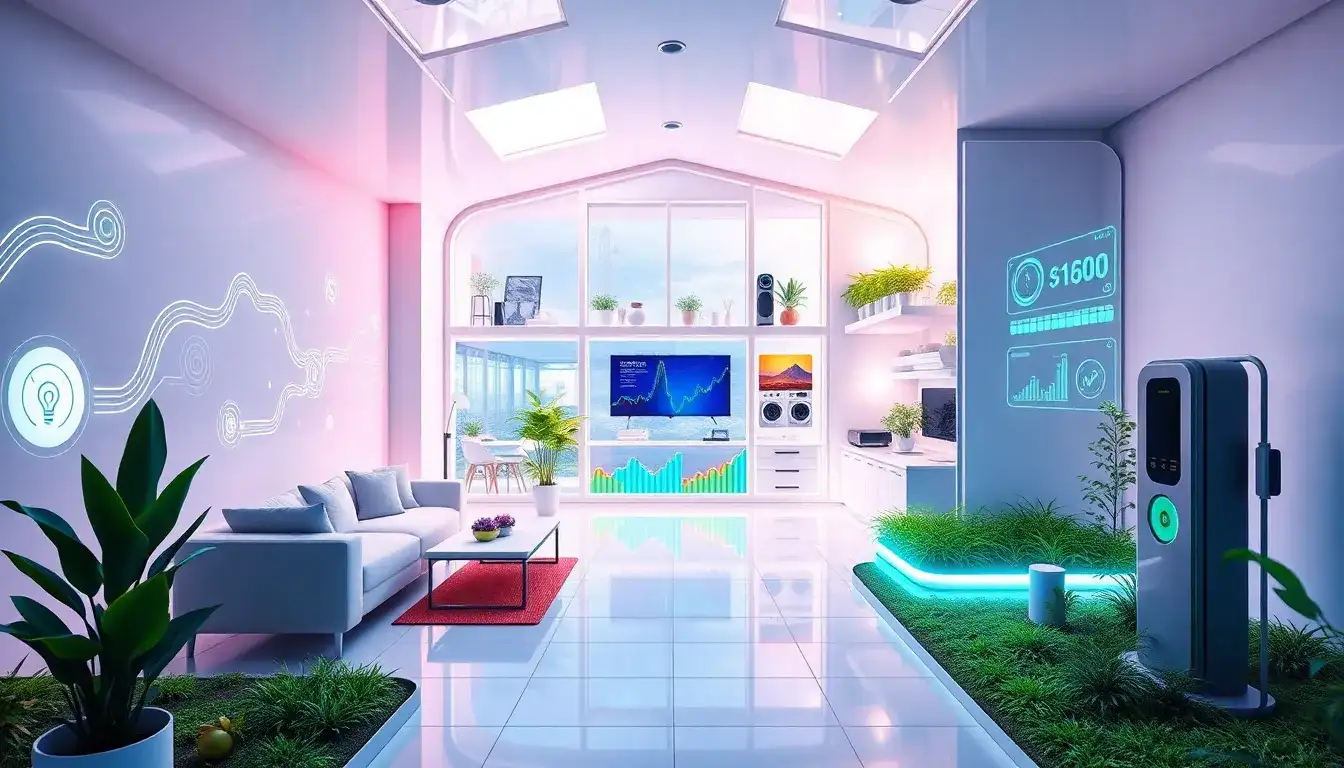
AI integrates with smart home energy management systems by leveraging real-time data, predictive analytics, and automation to optimize energy consumption, reduce costs, and enhance sustainability. The key ways AI achieves this integration include:
Real-Time Energy Monitoring and Data Analysis
AI-powered systems use IoT-enabled smart meters and sensors embedded in appliances, lighting, HVAC systems, and water heaters to continuously collect detailed data on energy usage patterns and peak consumption times. This enables homeowners and systems to identify inefficiencies and energy-intensive behaviors instantly. For example, AI provides real-time insights that help users adjust or automate energy usage to save electricity without sacrificing comfort.
Smart Appliance and Thermostat Automation
Smart thermostats, such as the Nest Learning Thermostat, use AI algorithms to learn the homeowner’s preferences, occupancy patterns, and environmental factors like weather. They dynamically adjust heating and cooling schedules to maximize efficiency while maintaining comfort. Similarly, AI-controlled lighting systems modulate brightness based on natural light availability, and smart water heaters operate only when necessary, reducing wasted energy.
Predictive Analytics and Demand Forecasting
AI analyzes historical usage data along with external variables like weather forecasts to predict energy demand in advance. This allows systems to forecast peak times and adjust energy consumption accordingly. Homeowners can schedule high-energy tasks (laundry, charging) during low-demand or off-peak hours to minimize costs and strain on the grid, often tied to dynamic energy pricing.
Energy Storage and Renewable Energy Optimization
AI enhances energy storage management (e.g., batteries) by predicting optimal charging and discharging cycles, thus extending battery life and maximizing efficiency. It also forecasts renewable energy generation variability (solar, wind) to better integrate distributed renewable resources, balancing supply and demand for a stable, greener power supply.
Automated Demand Response and Grid Interaction
AI enables smart home devices to participate in automated demand response programs, adjusting energy consumption in real time based on grid demands. This helps balance load during peak periods, reducing the risk of outages and improving grid reliability while allowing homeowners to benefit from lower energy rates or incentives.
Predictive Maintenance and System Reliability
By continuously monitoring performance data from connected home energy systems, AI detects anomalies indicating potential equipment failures. Predictive maintenance alerts homeowners before breakdowns occur, minimizing downtime and costly repairs while ensuring efficient operation.
Benefits of AI Integration in Smart Home Energy Systems
- Cost Savings: By identifying inefficiencies and optimizing energy use, AI can significantly reduce household energy bills.
- Environmental Impact: Optimized and reduced energy consumption lowers carbon emissions, supporting sustainability goals.
- Enhanced Comfort and Convenience: Automated adjustments maintain comfortable living conditions with minimal user input.
- Grid Stability: Intelligent load management helps stabilize the power grid, especially with increasing renewable energy integration.
- Scalability: AI systems can easily scale from single homes to communities, enabling broader energy optimization.
Challenges
- Data privacy and security concerns due to extensive IoT device data collection.
- High upfront costs for installing AI-driven energy management infrastructure.
- Complexity in integrating AI systems with existing home and grid infrastructure.
- Dependence on quality, continuous data for effective AI predictions and control.
In summary, AI integrates deeply into smart home energy management systems by combining real-time data gathering, machine learning-based predictive analytics, and automated control of home appliances and energy storage. This integration enables intelligent optimization of energy consumption, enhances cost savings and comfort, and supports sustainable and resilient energy ecosystems both at the household and grid level.
Original article by NenPower, If reposted, please credit the source: https://nenpower.com/blog/how-does-ai-integrate-with-smart-home-energy-management-systems/

