

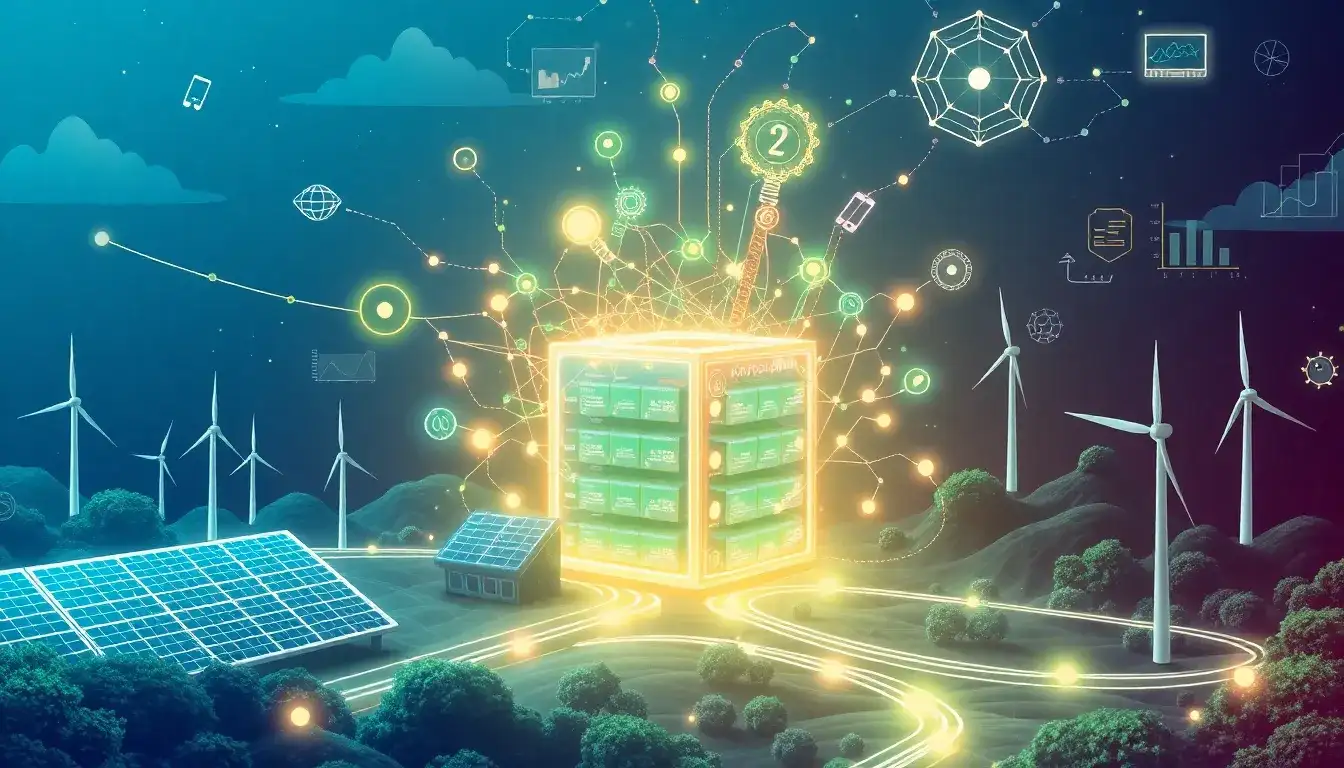
AI enhances the resilience of energy storage systems through several key mechanisms:
Demand Prediction and Optimization
AI analyzes historical and real-time data to forecast energy demand, enabling systems to proactively adjust storage and distribution. This prevents shortages during peak usage and reduces reliance on the main grid during outages.
Battery Life and Efficiency
AI optimizes charging cycles for lithium-ion batteries, reducing wear and extending operational life. It also mitigates energy “droughts” and “flooding” by dynamically managing storage based on renewable output fluctuations (e.g., solar/wind variability).
Grid Stability and Autonomous Recovery
AI-powered systems autonomously reroute power during disruptions, ensuring continuous supply to critical facilities like hospitals. Smart grids use real-time adjustments to balance supply-demand mismatches, minimizing outages.
Cybersecurity and Data Management
While not directly resilience-related, AI helps secure energy data against cyber threats (e.g., GDPR-compliant safeguards), ensuring uninterrupted operation of storage systems.
Key Resilience Benefits
| Feature | Outcome |
|---|---|
| Predictive analytics | Avoids supply-demand mismatches during extreme weather or grid failures |
| Dynamic load balancing | Maintains stability during renewable energy fluctuations |
| Autonomous operation | Self-healing grids restore power faster during outages |
By integrating these capabilities, AI transforms energy storage into a responsive, fail-safe component of modern power networks.
Original article by NenPower, If reposted, please credit the source: https://nenpower.com/blog/how-does-ai-improve-the-resilience-of-energy-storage-systems/

