

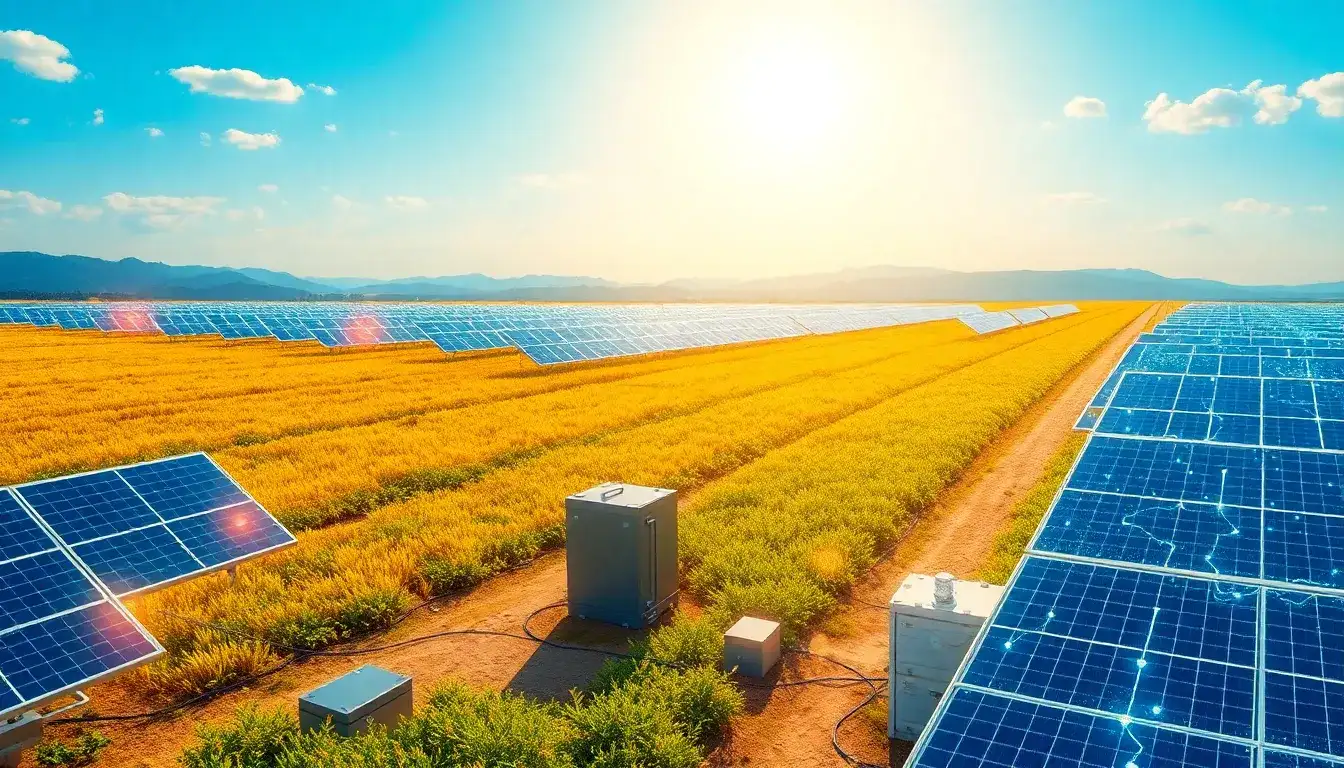
AI improves the efficiency of solar battery systems through several key mechanisms centered on intelligent data analysis, optimization, and predictive capabilities:
Enhanced Energy Storage Management
AI-driven solar and battery monitoring platforms analyze real-time performance data to detect issues such as panel soiling or inverter faults, preventing efficiency losses. They also assess weather conditions, grid status, and individual energy consumption patterns to optimize when solar power should be stored in batteries, used, or fed back into the grid. This intelligent decision-making reduces energy waste and enhances overall system effectiveness.
Predictive Forecasting of Solar Production and Demand
Traditional solar output forecasting relies on weather models that can be imprecise. AI improves prediction accuracy by processing vast datasets, including cloud cover, temperature, and historical usage, enabling better solar energy production forecasts. This allows battery systems to prepare for fluctuations in solar input and energy demand, stabilizing supply and reducing blackouts.
Improved Battery Performance and Longevity
AI platforms like EVE-Ai™ enhance battery performance by predicting energy use patterns and managing battery charge and discharge cycles more efficiently. This predictive management extends battery life and ensures optimal utilization of stored solar energy, leading to reduced operational costs and increased sustainability.
Increased System Efficiency Leading to Cost Savings
Implementing AI optimization in home solar battery setups can boost operational efficiency by up to 30%, translating into significant long-term financial savings for users. AI’s ability to adapt to changing conditions and usage habits results in smarter energy storage systems that work harder without increasing strain.
Integration into Utility-Scale Operations
At larger scales, such as with the Electric Reliability Council of Texas (ERCOT), AI manages battery energy storage systems (BESS) to enhance grid stability and performance. AI learns from past usage, predicts future energy needs, and adjusts system operations dynamically, underpinning a more reliable and efficient energy grid.
In summary, AI enhances solar battery systems by continuously analyzing various environmental and user data, optimizing storage management, improving battery health, forecasting energy production/demand more accurately, and enabling smarter grid integration. These improvements result in higher energy efficiency, cost savings, increased battery lifespan, and more reliable renewable energy supply.
Original article by NenPower, If reposted, please credit the source: https://nenpower.com/blog/how-does-ai-improve-the-efficiency-of-solar-battery-systems/

