

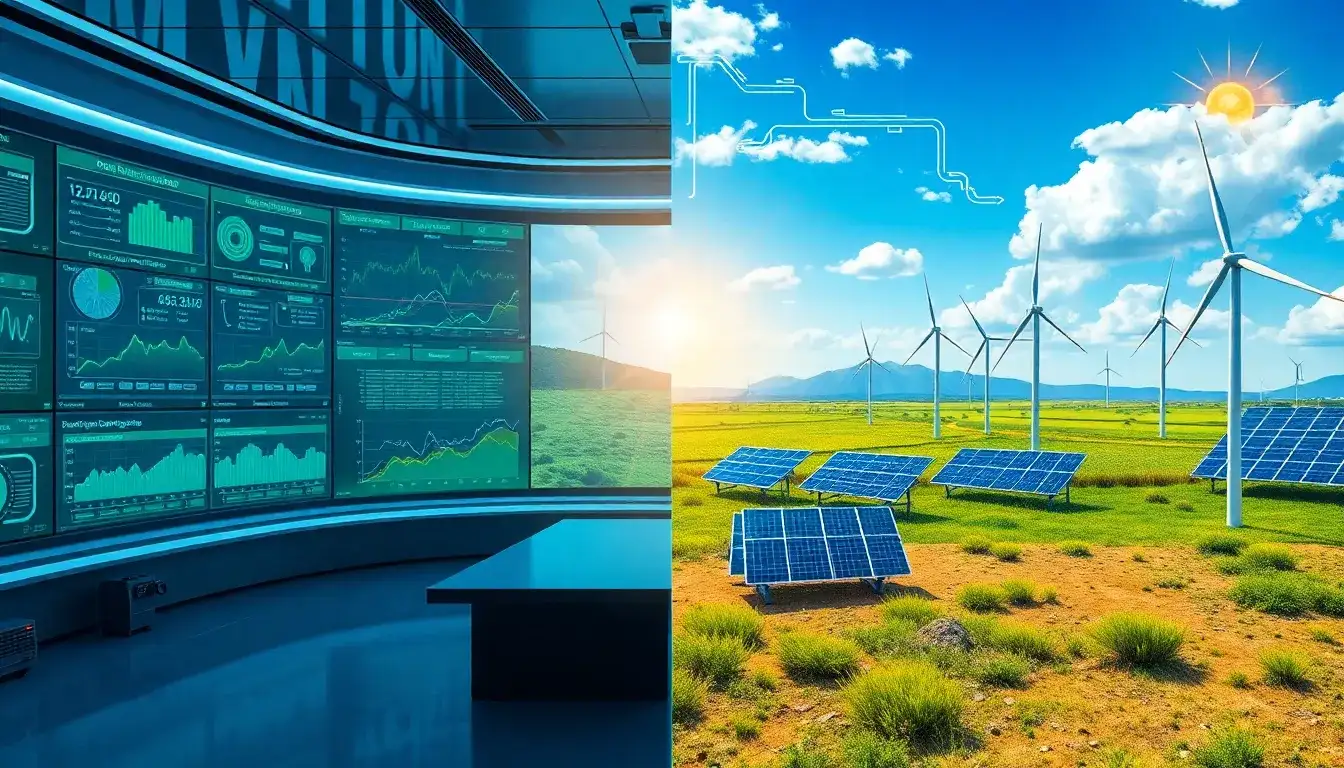
AI improves forecasting accuracy for renewable energy by utilizing advanced technologies like machine learning, real-time monitoring, and data analytics. Here are some ways AI enhances forecasting:
How AI Improves Forecasting Accuracy
- Incorporation of Multiple Data Sources: AI platforms can integrate data from various sources, including current weather reports and forecasts, demand patterns, and information from distributed energy resources (DERs). This comprehensive data set helps in making more accurate predictions.
- Real-Time Processing and Adaptability: AI systems process vast amounts of data in real-time, allowing them to identify complex patterns and interdependencies that traditional methods cannot detect. This enables dynamic and precise forecasting that adjusts to changing conditions.
- Machine Learning for Continuous Improvement: AI models can train on less historical data compared to traditional statistical models, and they self-teach over time to become more accurate. This means that the more data the system gathers, the better it gets at forecasting.
- Localized Weather Analysis: AI can analyze localized weather patterns to predict renewable energy generation with high accuracy, addressing the intermittent nature of solar and wind energy.
- Decision Support and Grid Optimization: By simulating scenarios and anticipating disruptions, AI helps optimize asset operations and enhances grid stability during peak demand. AI also optimizes battery storage by ensuring energy is stored when supply is high and dispatched during peak demand.
Overall, AI significantly improves the reliability and precision of renewable energy forecasting, which is crucial for ensuring a stable and efficient energy supply.
Original article by NenPower, If reposted, please credit the source: https://nenpower.com/blog/how-does-ai-improve-forecasting-accuracy-for-renewable-energy/

