

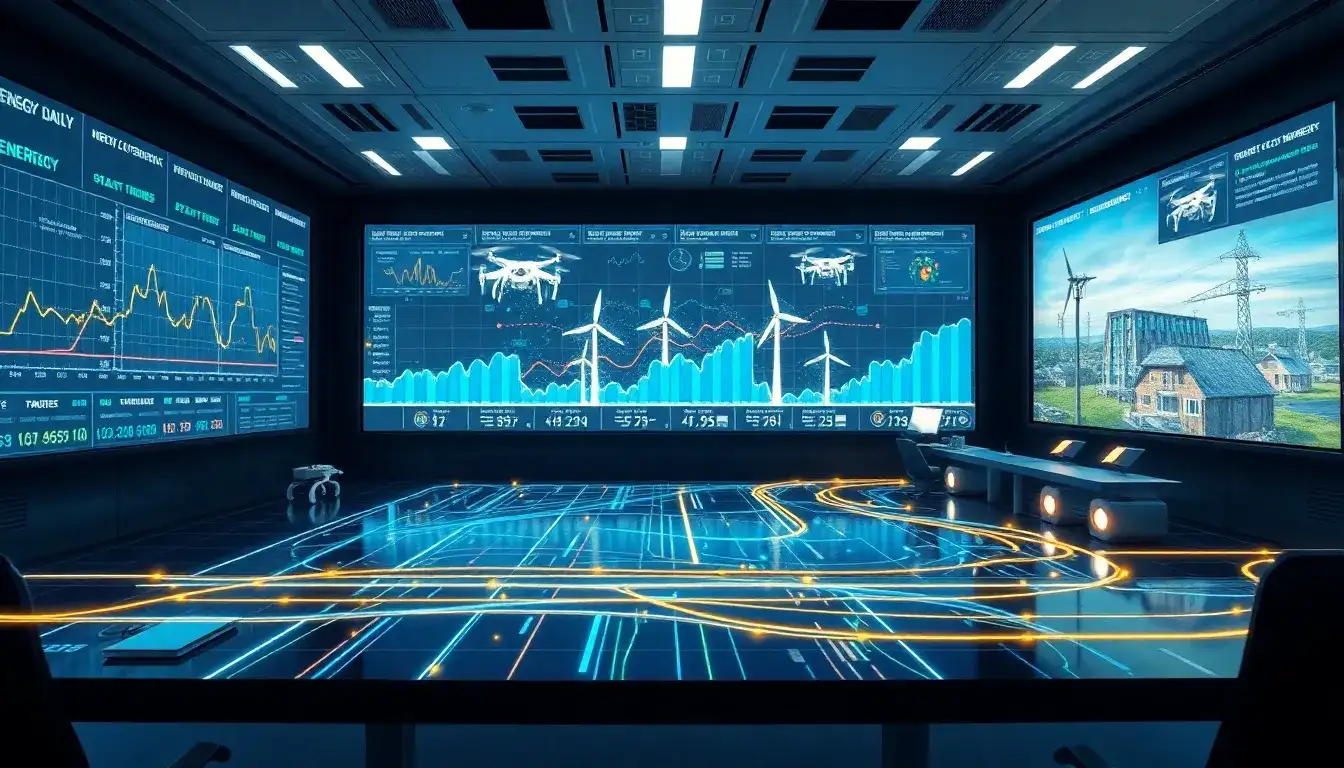
AI handles unexpected energy demand surges primarily by enhancing the flexibility, responsiveness, and predictive capabilities of energy infrastructure through smart data analysis and automation.
How AI Manages Unexpected Energy Demand Surges
1. Predictive Analytics and Real-Time Monitoring
AI systems analyze vast amounts of real-time data—including weather patterns, historical energy usage, and live grid performance—to forecast demand fluctuations with higher accuracy. This predictive ability helps grid operators anticipate unexpected surges before they occur and prepare accordingly, balancing supply and demand more effectively.
2. Grid Optimization and Automation
AI enables the development of self-healing grids that can automatically detect faults or overloads and reroute power routes to maintain stability without human intervention. This automation minimizes the impact of sudden surges by quickly restoring service and preventing cascading failures throughout the energy network.
3. Integration with Renewable Energy and Storage
AI optimizes the use of renewable energy sources like solar, wind, and hydropower by predicting their intermittency and adjusting grid operations accordingly. For example, AI models forecast wind patterns and sunlight levels to better match generation with demand. They also optimize energy storage usage, ensuring excess energy is saved and dispatched when surges occur.
4. Smart Infrastructure Upgrades
Because AI workloads themselves generate unpredictable and rapid spikes in energy demand (especially in data centers), modern infrastructure upgrades are essential. These include strengthening data center power systems, integrating renewable energy storage, and modernizing power grids. AI-driven tools are then used to manage grid performance to prevent overloads and ensure reliable energy delivery despite sudden surges.
5. AI Assisting AI Energy Management
Ironically, AI technologies help manage their own energy demand surges by continuously learning and adapting to consumption patterns, optimizing computing workloads across time and locations to smooth out spikes and reduce peak power stress on the grid.
Summary
- AI predicts energy demand spikes using real-time and historical data analysis.
- AI-powered self-healing grids and automated rerouting maintain stability during surges.
- AI optimizes renewable energy use and storage to buffer against sudden demand changes.
- Infrastructure modernization supports handling of unpredictable, AI-driven energy consumption patterns.
- AI tools optimize their own energy use and grid performance to mitigate overload risks.
Through these combined approaches, AI enhances the resilience of energy systems, making them better equipped to handle unexpected surges in demand while supporting ongoing digital and renewable energy transitions.
Original article by NenPower, If reposted, please credit the source: https://nenpower.com/blog/how-does-ai-handle-unexpected-energy-demand-surges/

