

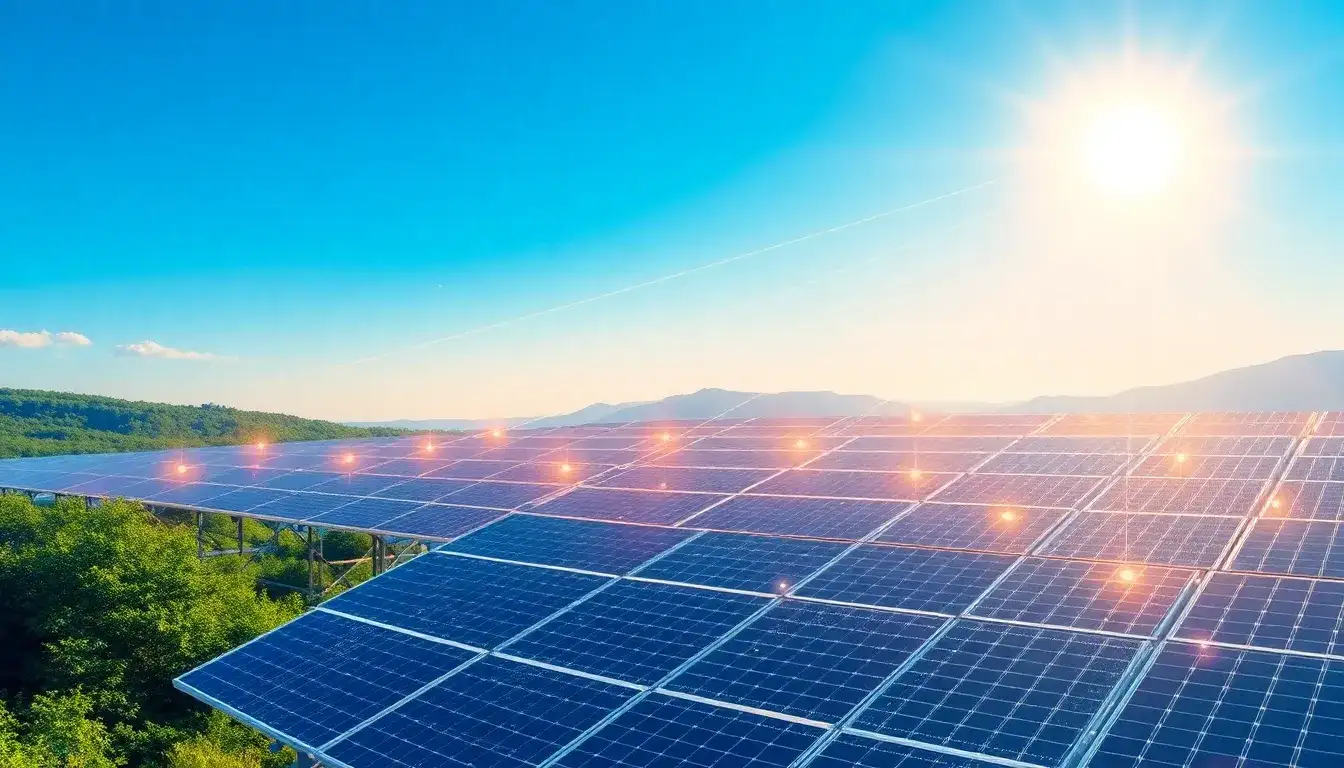
AI in Solar Tracking Systems
AI plays a crucial role in handling real-time data in solar tracking systems, significantly enhancing their efficiency and performance. Here’s how AI manages real-time data in these systems:
Key Technologies and Methods
Data Collection and Analysis
- Real-Time Data: AI systems collect and analyze data from various sources such as weather satellites, ground sensors, and local weather stations. This data includes factors like cloud coverage, weather forecasts, and on-site conditions such as temperature and humidity.
- Historical Performance Data: AI integrates historical performance data to predict future trends in energy production.
Machine Learning and Predictive Analysis
- Predictive Models: Advanced AI algorithms, including machine learning models like deep neural networks and time series analysis, are used to analyze historical and real-time data to predict solar patterns and optimize tracking.
- Continuous Improvement: Techniques such as reinforcement learning enable AI systems to improve prediction accuracy over time through feedback loops.
Real-Time Adjustments
- Panel Positioning: AI optimizes the position of solar panels to maximize sunlight capture based on real-time data and predictive models.
- Inverter Settings: AI fine-tunes inverter settings to optimize power conversion efficiency.
- Storage Management: It manages battery charging and discharging based on predicted energy production to ensure stable power output.
Enhancements by AI
- Precision Tracking: AI enhances tracking precision by analyzing data from sensors and weather forecasts to adjust panel angles dynamically.
- Weather Adaptation: AI’s predictive analysis allows systems to adapt quickly to changing weather conditions, ensuring optimal performance even in challenging environments.
- Integration with Other Technologies: AI works alongside technologies like computer vision and IoT to further improve tracking accuracy and responsiveness.
In summary, AI in solar tracking systems efficiently processes real-time data to optimize energy capture, predict solar patterns, and adapt to environmental changes, ultimately maximizing the efficiency of solar energy production.
Original article by NenPower, If reposted, please credit the source: https://nenpower.com/blog/how-does-ai-handle-real-time-data-in-solar-tracking-systems/

