

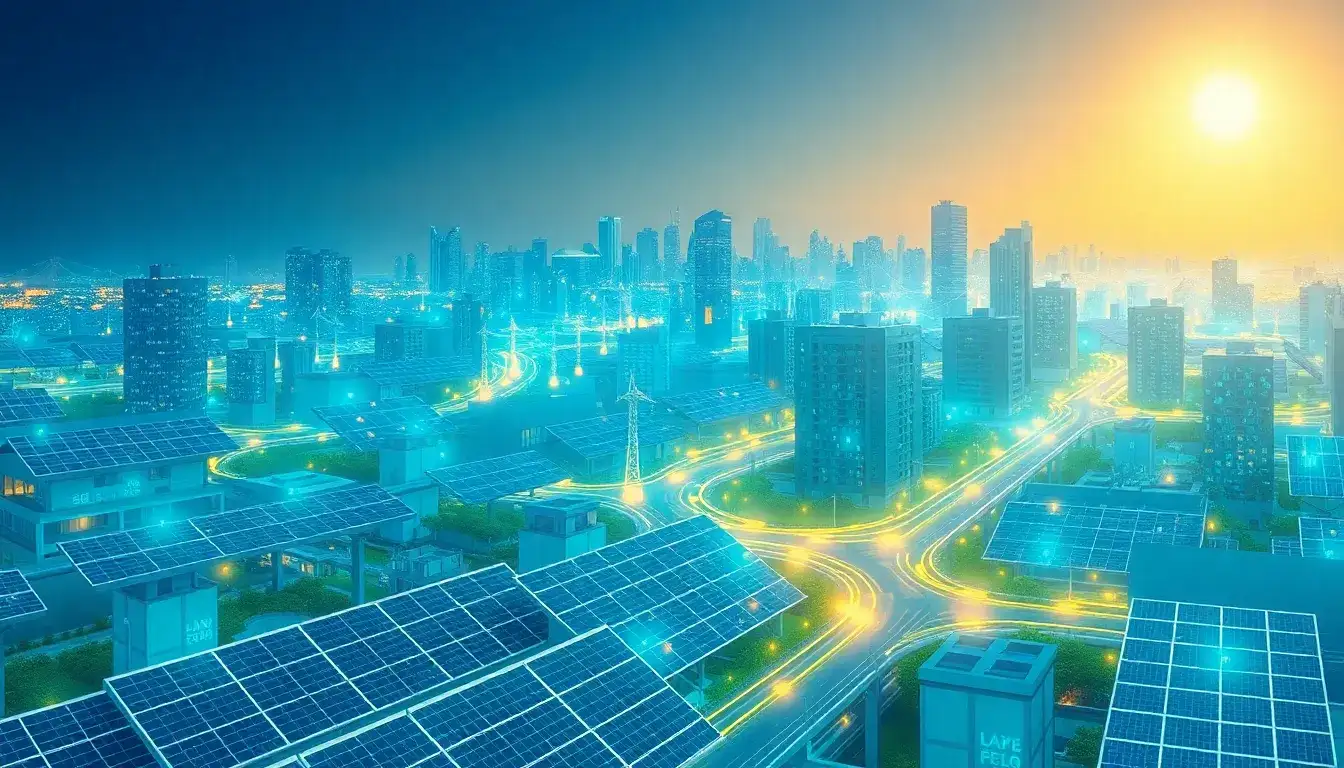
AI Contributions in Smart Grid Management for Solar Energy
- Predictive Analytics and Optimization:
- Energy Production Prediction: AI algorithms analyze weather forecasts, historical data, and real-time conditions to predict solar energy output. This allows grid operators to better plan energy storage, manage surplus energy, and optimize the use of renewable resources.
- Energy Storage Optimization: AI enhances energy storage by predicting when and how to store surplus energy most efficiently. It optimizes charging and discharging times for batteries, ensuring a consistent energy supply.
- Real-Time Monitoring and Automation:
- Grid Health Monitoring: AI-powered systems continuously analyze data from sensors and smart meters to monitor grid health and identify potential issues before they become problems.
- Automation: AI automates adjustments to the grid, balancing supply and demand in real-time. For example, it can incentivize consumers to reduce usage during peak times or shift consumption to off-peak periods.
- Integration of Renewable Energy:
- Renewable Energy Integration: AI helps integrate intermittent solar and wind energy into the grid by predicting energy production and managing energy storage or backup power.
- Smart Home Energy Optimization: AI balances energy production and usage in real-time, adjusting home appliances or storing excess energy in batteries.
- Cybersecurity and Resilience:
- Cybersecurity: AI-powered solutions safeguard smart grids by continuously monitoring network activity, detecting anomalies, and responding to potential threats in real-time.
- Grid Resilience: AI enhances grid resilience by rapidly identifying and responding to potential failures, ensuring continuous energy supply during disruptions.
- Predictive Maintenance and Efficiency:
- Predictive Maintenance: AI detects potential issues in solar energy systems before they become major problems, reducing downtime and repair costs.
- Efficiency Improvement: AI identifies inefficiencies in solar panel performance due to environmental factors and suggests targeted solutions, such as predicting the best angles for sunlight capture or when panels need cleaning.
By leveraging these capabilities, AI plays a crucial role in transforming traditional grids into responsive, adaptive systems that efficiently manage solar energy and contribute to a sustainable, carbon-neutral future.
Original article by NenPower, If reposted, please credit the source: https://nenpower.com/blog/how-does-ai-contribute-to-smart-grid-management-for-solar-energy/

