

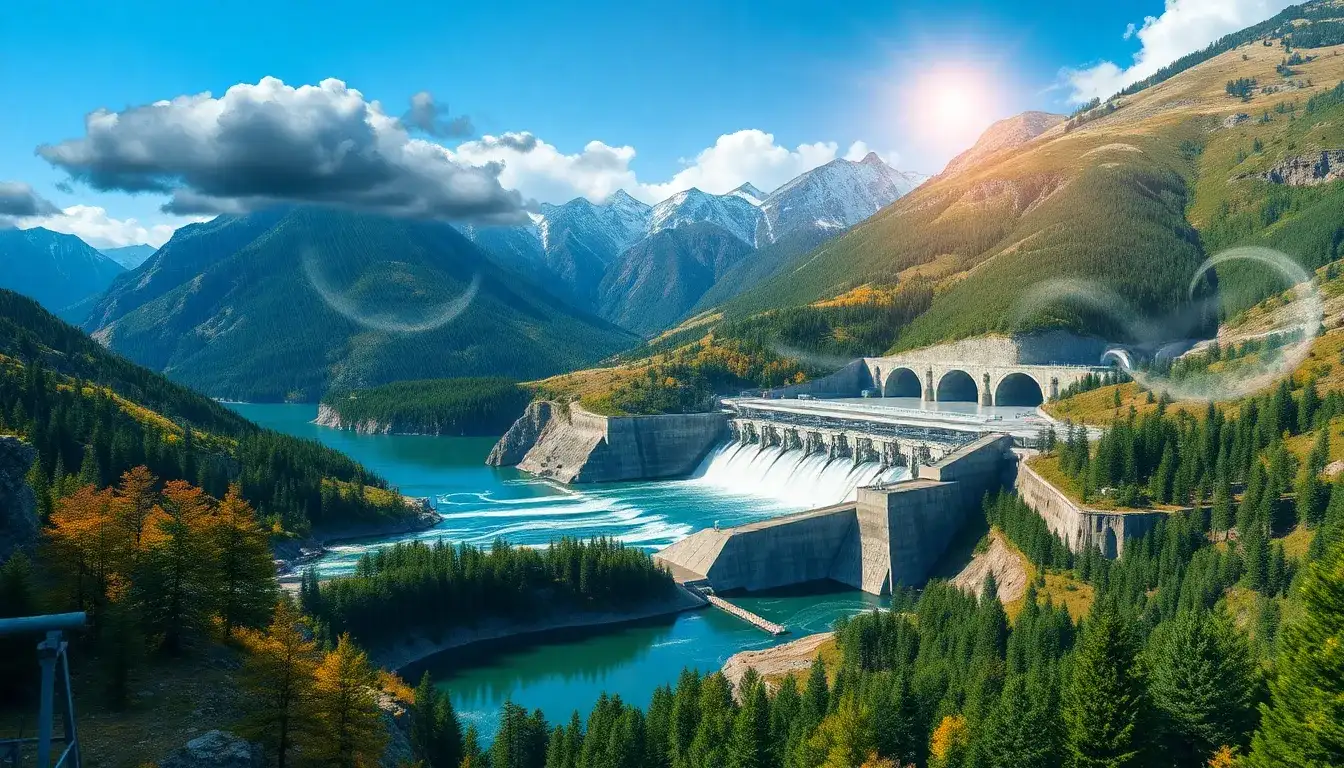
Weather patterns specifically affect the efficiency of pumped hydroelectric facilities through several interconnected hydrological and climatic factors:
- Water Availability and Streamflow Variability: Changes in precipitation patterns, including altered rainfall and snowmelt timing, directly affect the volume and timing of water flowing into reservoirs. Reduced streamflow during warmer, drier periods can limit the water available for pumped hydro operations, thereby decreasing generation capacity.
- Seasonal Shifts in Hydropower Production: Climate models project a shift in hydropower generation toward winter and spring months due to increased runoff during these seasons, while summer and fall flows may decline. Since pumped hydro relies on reservoir water levels, these seasonal changes affect the timing and efficiency of electricity generation and storage cycles.
- Evaporation Losses in Reservoirs: Higher temperatures lead to increased evaporation from reservoirs, reducing the total water volume available for energy generation. This loss reduces the efficiency and capacity of pumped hydroelectric systems which depend on stored water.
- Extreme Weather Events and Infrastructure Stress: Increased frequency and intensity of extreme weather events, like heavy storms and atmospheric rivers, can impact reservoir management. Facility operators must adapt by improving forecasting and infrastructure, such as enhancing spillways to handle flood risks, which can temporarily reduce operational efficiency or require altered water release schedules.
- Operational Adaptations due to Renewable Integration: As intermittent renewables like wind and solar become more prevalent, pumped hydro plants may shift operational strategies to hold water as backup capacity rather than continuous generation. While this increases system value, it might reduce traditional operational efficiency metrics.
In summary, changing weather patterns influence the hydrology—volume, timing, and reliability of water resources—that pumped hydroelectric plants depend on, thus affecting their efficiency. Increased evaporation, altered runoff timing, and extreme weather events necessitate adaptive management to maintain performance and safety, while integration with variable renewables changes operational dynamics.
Original article by NenPower, If reposted, please credit the source: https://nenpower.com/blog/how-do-weather-patterns-specifically-affect-the-efficiency-of-pumped-hydroelectric-facilities/

