

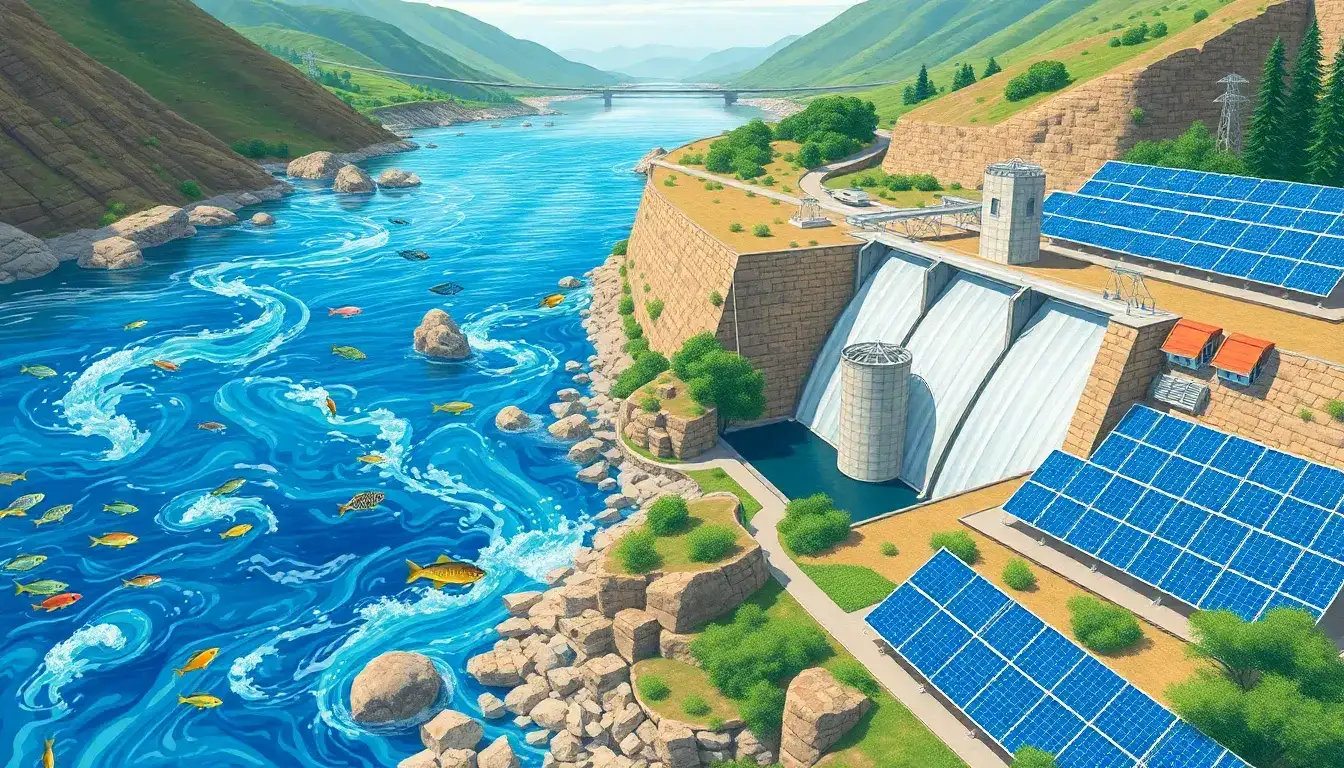
Water rights and aquatic resource impacts play a critical role in the development of pumped hydroelectric energy storage (PHES) projects due to the nature of water use and environmental considerations inherent in these systems.
Water Rights Considerations
Pumped hydroelectric storage projects rely on moving water between two reservoirs at different elevations to store and generate electricity. This process requires legal access and rights to large volumes of water, often in regions where water rights are already fully allocated or contested. Key points include:
- Legal Compliance: Developers must conduct detailed legal analyses to ensure compliance with local, state, and federal water rights statutes. This includes securing rights to withdraw, store, and release water as needed for daily operations.
- Permit Requirements: Because PHES projects alter natural water flows, they often require multiple permits from regulatory bodies such as the Federal Energy Regulatory Commission (FERC), state water authorities, and environmental agencies. These permits address the allocation, use, and protection of water resources.
- Competing Uses: Water used for PHES can compete with agricultural, municipal, industrial, and ecological needs, particularly in water-scarce regions. Balancing these demands is a legal and political challenge for project development.
Aquatic Resource Impacts
The environmental impacts on aquatic ecosystems are a major consideration, as PHES projects can significantly affect water quality, aquatic habitats, and fish populations:
- Alteration of Natural Waterways: Open-loop PHES systems, which connect reservoirs to natural flowing water features (like rivers or lakes), can change flow regimes, potentially disrupting aquatic habitats.
- Water Quality Concerns: The cycling of water between upper and lower reservoirs can affect temperature, oxygen levels, and sediment transport, which are critical to ecosystem health.
- Fish and Wildlife Impact: Turbines and changes in reservoir water levels can harm aquatic species, requiring mitigation measures and environmental assessments.
- Regulatory Environmental Reviews: Environmental impact assessments are mandatory to identify and mitigate adverse effects on aquatic resources. These can influence project design, location, and operational protocols.
Summary
Water rights and aquatic resource impacts shape pumped hydroelectric energy storage development by imposing legal, regulatory, and environmental constraints. Ensuring compliance with water usage laws and minimizing ecological harm requires careful site-specific analysis, permitting processes, and environmental mitigation strategies. These factors directly affect project feasibility, design, and timelines, making water management and aquatic ecosystem stewardship central to advancing pumped hydro storage as a key component of clean energy infrastructure.
Original article by NenPower, If reposted, please credit the source: https://nenpower.com/blog/how-do-water-rights-and-aquatic-resource-impacts-affect-the-development-of-pumped-hydroelectric-energy-storage-projects/

