

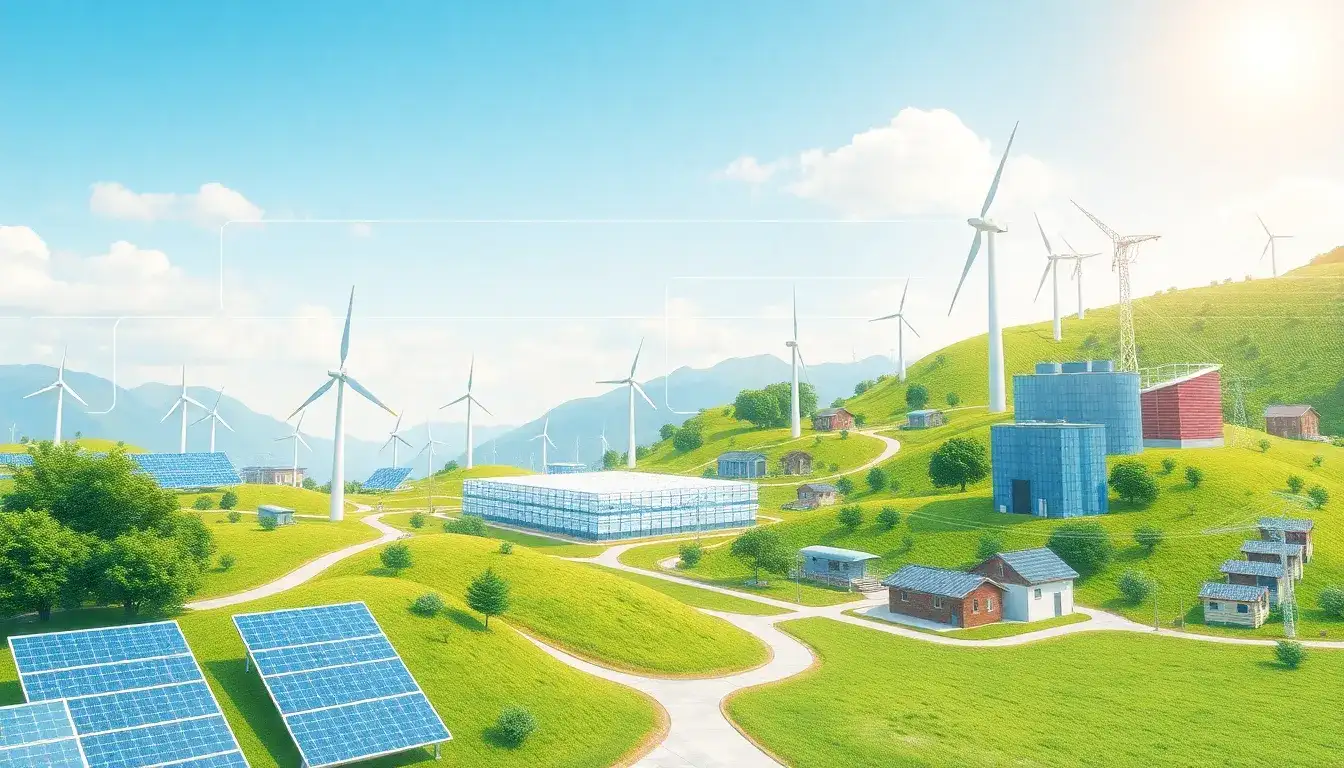
Virtual Power Plants (VPPs) contribute significantly to reducing carbon emissions by leveraging distributed energy resources (DERs) such as rooftop solar, energy storage, electric vehicles, and smart home devices. Here’s how they help:
Contributions to Carbon Emission Reduction
- Aggregation and Optimization of Resources: VPPs aggregate and manage DERs to create a dispatchable energy resource. This allows them to reduce load or generate energy during peak demand periods, decreasing the need for fossil fuel-based power plants, especially peaker plants that emit high levels of CO2.
- Flexibility in Grid Management: By providing flexibility in managing grid demand, VPPs enable the integration of more renewable energy sources like solar and wind into the grid. This flexibility is crucial for maintaining grid reliability while transitioning to a cleaner energy mix.
- Reduced Need for New Fossil Infrastructure: The grid flexibility provided by VPPs can eliminate the need for building new fossil fuel-based generation units, thereby reducing future carbon emissions over the lifecycle of these plants.
- Direct Emission Reduction: Studies indicate that VPPs can directly prevent millions of tons of carbon emissions by reducing the reliance on carbon-intensive energy sources during peak demand. For instance, a report suggests that by 2035, VPPs could prevent up to 28 million tons of carbon emissions.
- Incentivizing Renewable Energy Deployment: By offering incentives to participants and reducing grid costs, VPPs encourage the adoption of renewable energy resources and energy efficiency measures, further driving down carbon emissions.
Future Impact
As the grid continues to evolve and incorporate more renewable energy sources, VPPs are poised to play a critical role in reducing carbon emissions. The U.S. Department of Energy aims to support VPP deployment to achieve significant reductions in greenhouse gas emissions and improve grid resilience. By 2050, VPPs could potentially avoid tens of millions of metric tons of CO2 emissions annually.
Original article by NenPower, If reposted, please credit the source: https://nenpower.com/blog/how-do-vpps-contribute-to-reducing-carbon-emissions/

