

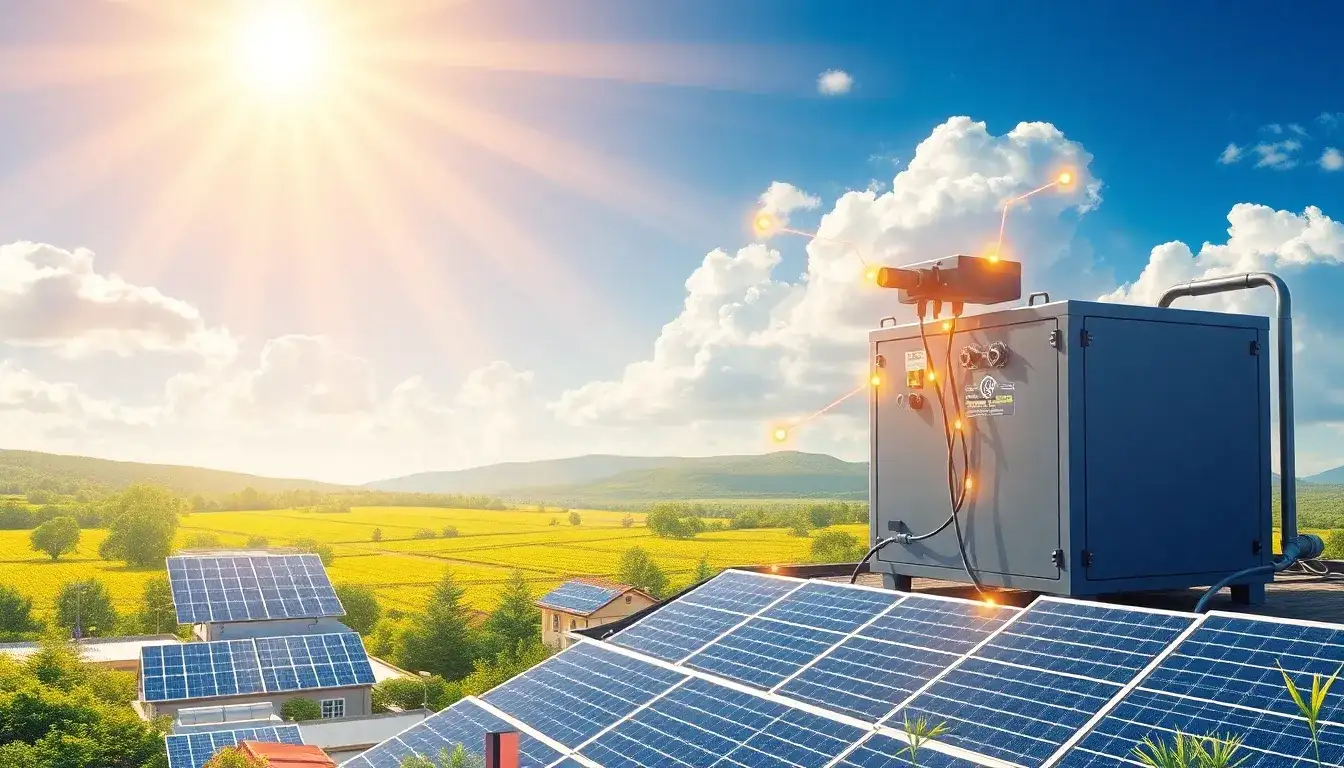
Voltage and current sensors play a vital role in the maintenance and optimal operation of solar energy systems by enabling continuous monitoring, fault detection, and system protection.
Key Contributions of Voltage and Current Sensors in Solar System Maintenance
1. Real-Time Performance Monitoring and Efficiency Optimization
Voltage and current sensors provide real-time data on the electrical parameters of solar panels and associated equipment such as inverters. By measuring the input/output voltage and current flow at string terminals and inverter points, these sensors enable accurate tracking of energy production and consumption. This data helps in verifying that the system is functioning close to its maximum power point (MPP), where the product of voltage and current (power) is maximized, ensuring that the solar panels deliver peak efficiency.
2. Early Fault Detection and Preventive Maintenance
Current sensors, especially those capable of detecting changes in current flow, can identify anomalies such as overcurrent conditions, which may indicate potential faults or deteriorating components. Voltage sensors help detect voltage drops or irregularities that could arise from loose connections, corrosion, or inverter malfunctions. By monitoring these parameters continuously, maintenance teams can spot issues early, preventing system failures or downtime.
3. System Protection and Safety
Overcurrent and voltage irregularities can pose risks to the solar system and connected infrastructure. Current sensors trigger protective mechanisms like disconnect switches or circuit breakers when abnormal conditions are detected, avoiding damage to panels, inverters, and wiring, and ensuring personnel safety.
4. Supporting Predictive Maintenance and Maintenance Planning
The data from voltage and current sensors, combined with other system metrics such as temperature and inverter status, feed into predictive maintenance models. These models forecast component degradation and identify when maintenance is needed, reducing unexpected outages and prolonging system lifespan.
5. Verification of Connection Integrity and Inverter Health
Voltage and current sensors help in detecting issues like increased resistance at connections or inverter inefficiencies. Thermal imaging combined with electrical data from sensors identifies hotspots and power losses due to poor connections, enabling targeted maintenance.
Summary Table of Sensor Roles in Solar System Maintenance
| Function | Role of Voltage Sensors | Role of Current Sensors |
|---|---|---|
| Performance monitoring | Measure voltage levels at panel and inverter | Track current output and flow in system strings |
| Fault detection | Identify voltage drops, irregularities | Detect overcurrent, sudden changes in current |
| Safety | Assist in detecting unsafe voltage conditions | Trigger protective disconnects on overcurrent |
| Maintenance planning | Provide voltage trend data for condition-based maintenance | Provide current data for predictive models |
| Connection and inverter health | Detect voltage-related connection problems | Monitor current for inverter performance issues |
In conclusion, voltage and current sensors are indispensable for maintaining solar energy systems by enabling detailed electrical monitoring, improving system efficiency, ensuring safety, and supporting proactive maintenance strategies that reduce downtime and extend system longevity.
Original article by NenPower, If reposted, please credit the source: https://nenpower.com/blog/how-do-voltage-and-current-sensors-contribute-to-solar-system-maintenance/

