

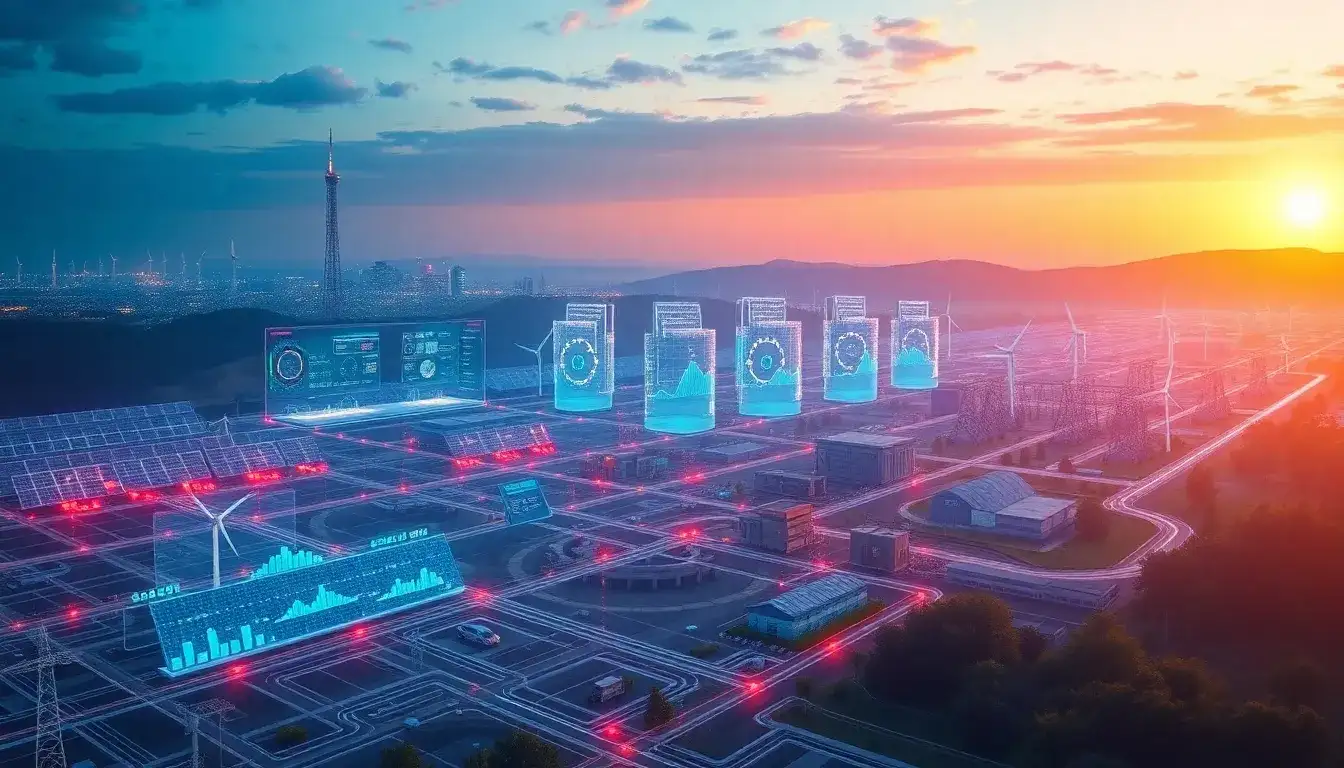
Virtual power plants (VPPs) enhance grid resilience in several ways:
- Aggregation of Distributed Energy Resources (DERs): VPPs combine numerous small-scale energy sources, such as solar panels, batteries, smart thermostats, and electric vehicle chargers, into a unified system. This aggregation allows them to provide capacity and ancillary services to the grid, much like traditional power plants.
- Flexibility and Responsiveness: By leveraging advanced technologies and communication systems, VPPs can quickly adjust energy output in response to changes in supply and demand. This flexibility helps maintain grid stability during sudden fluctuations or extreme weather conditions.
- Decentralized Operations: Unlike traditional centralized power plants, VPPs can operate across broader geographic areas. This decentralized approach allows for more resilient grid operations by reducing dependence on any single physical facility.
- Integration of Renewable Energy: VPPs facilitate the integration of renewable energy sources by providing flexibility and storage options, which are essential for balancing the variability of solar and wind energy.
- Support During Peak Demand: By strategically managing energy storage and reducing consumption during peak hours, VPPs help alleviate pressure on the grid. This is crucial for maintaining supply during times of high demand.
- Cost Savings and Incentives: Participating in VPPs can help consumers lower their energy bills through real-time adjustments of energy use. Additionally, participants may receive financial incentives for contributing to the grid’s stability.
Overall, VPPs enhance grid resilience by offering a flexible, adaptable, and decentralized approach to grid management, which is vital for addressing the challenges posed by increasingly variable renewable energy sources and extreme weather events.
Original article by NenPower, If reposted, please credit the source: https://nenpower.com/blog/how-do-virtual-power-plants-enhance-grid-resilience/

