

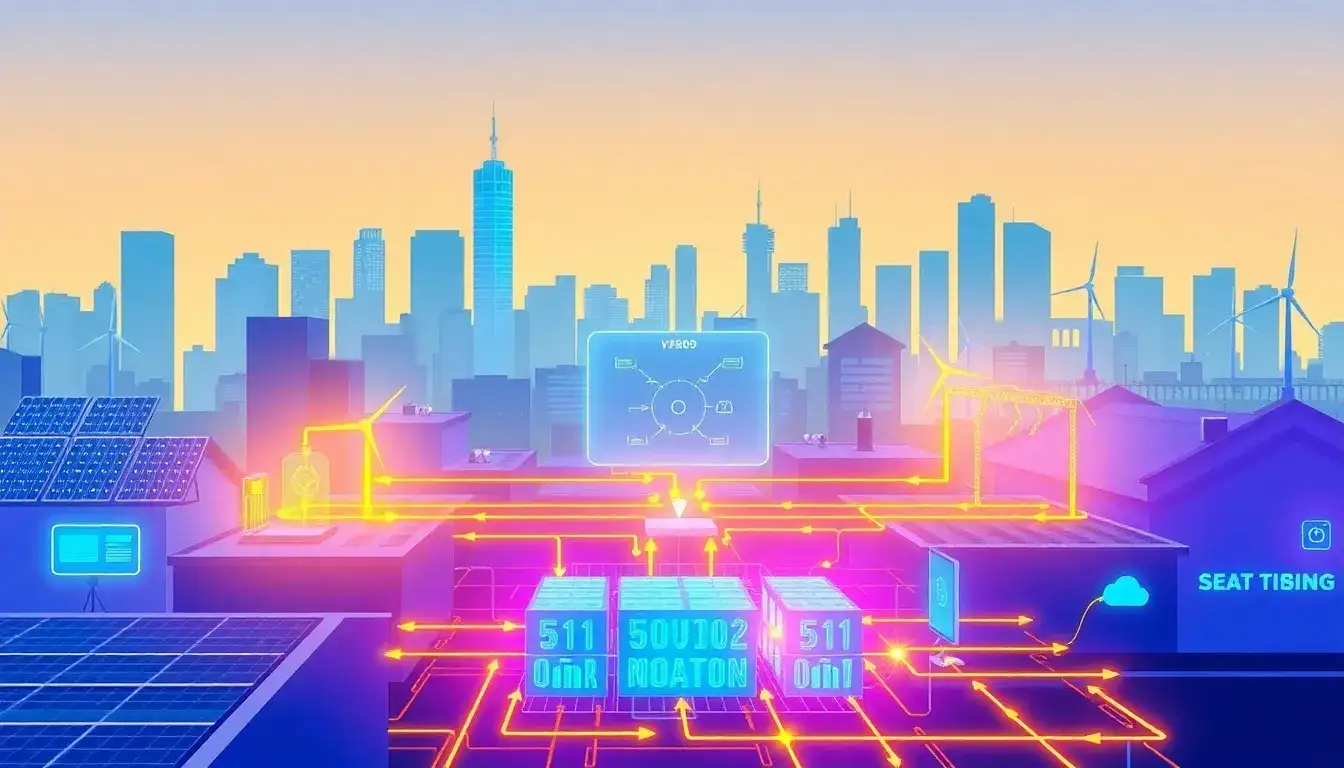
How Virtual Power Plant (VPP) Programs Work with Battery Storage
Virtual Power Plants (VPPs) integrate decentralized energy resources such as solar panels, battery storage systems, and smart devices to mimic the operation of a traditional power plant. By aggregating these resources, VPPs provide a flexible and efficient energy supply that can help stabilize the grid, reduce reliance on fossil fuels, and offer economic benefits to participants.
Key Components of VPPs with Battery Storage
- Battery Storage Systems: These are crucial for storing excess energy generated from renewable sources like solar or wind, which can then be used to provide power during peak demand periods or sold back to the grid.
- Aggregation Technology: Advanced software and communication technologies manage the distributed energy resources. This includes monitoring and controlling the charging and discharging of batteries in real-time to optimize energy usage based on grid conditions.
- Grid Interaction: VPPs interact with the grid by providing additional power supply during peak demand periods, helping prevent brownouts and stabilize the grid. This interaction also allows battery owners to sell excess energy back to the grid.
- Revenue Generation: Participants can earn additional income by selling excess energy to the grid. For example, Tesla’s VPP program offers compensation for energy supplied during peak demand periods.
Benefits and Operations
Benefits:
- Increased Revenue: Selling excess energy back to the grid provides additional income for participants.
- Enhanced Battery Life: VPPs manage battery charging and discharging to optimize performance and extend lifespan.
- Environmental Impact: Contributing to a cleaner energy grid by promoting renewable energy sources.
Operations:
- Real-time Monitoring: Systems continuously monitor energy production and consumption to optimize resource allocation.
- Control and Coordination: Central control systems adjust energy output based on demand fluctuations and grid stability needs.
- Integrated Market Participation: VPPs trade energy in various markets, including the balancing market, maximizing revenue for participants.
In summary, VPP programs with battery storage enhance grid flexibility, promote sustainable energy practices, and offer economic incentives to participants, all while contributing to a more reliable and environmentally friendly power grid.
Original article by NenPower, If reposted, please credit the source: https://nenpower.com/blog/how-do-virtual-power-plant-vpp-programs-work-with-battery-storage/

