

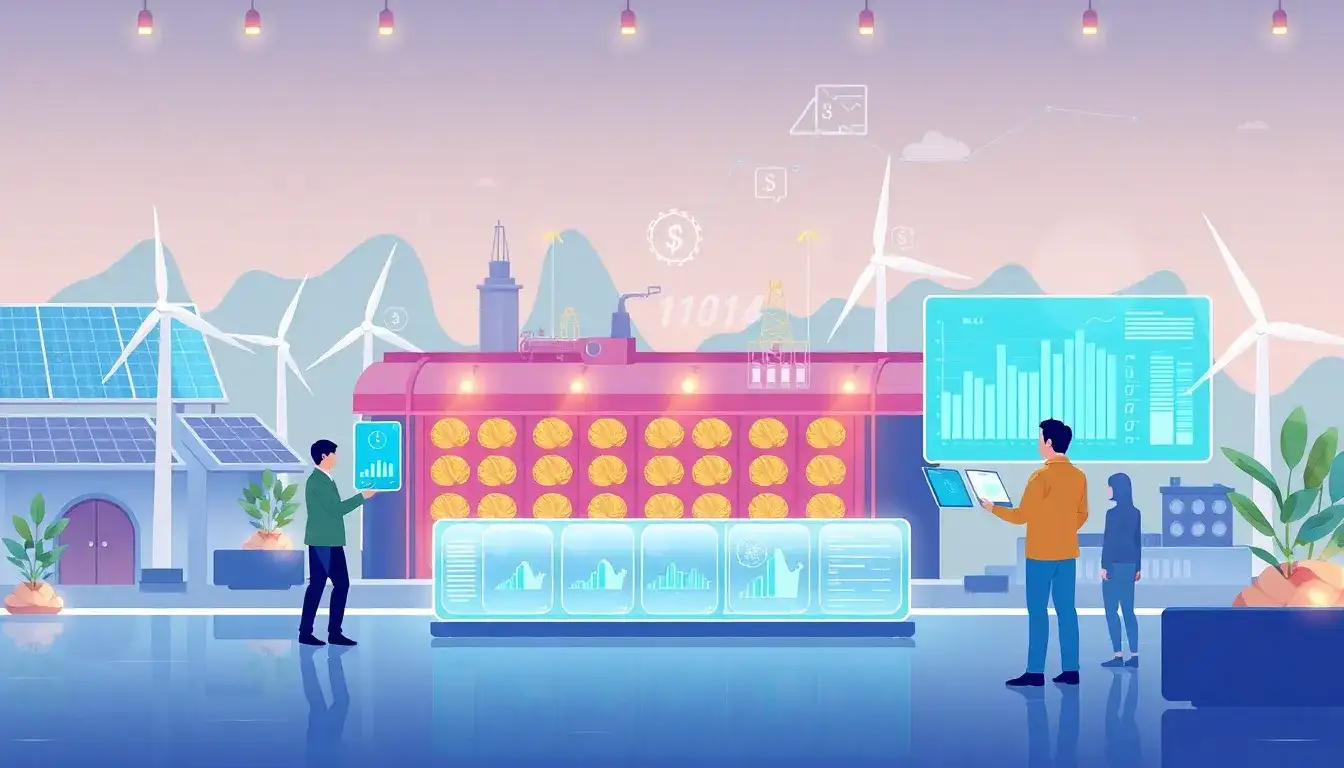
Variable revenue sources play a crucial role in complementing fixed-price contracts in battery projects by providing additional income streams and enhancing the financial viability of these projects. Here’s how variable revenues complement fixed-price contracts:
Overview of Fixed-Price Contracts
Fixed-price contracts typically offer a stable revenue base for battery projects. These contracts can be found in utility-scale projects, especially in regions with robust regulatory frameworks, such as California, where utilities are required to procure resource adequacy attributes. The revenue from these contracts is predictable, allowing project owners to budget and manage their cash flows effectively.
Variable Revenue Streams
Variable revenue sources can significantly enhance the overall profitability of battery projects by introducing dynamic income opportunities. These sources include:
- Energy Arbitrage: This involves buying electricity at low prices and selling it during peak demand when prices are higher. It is a primary revenue source for many battery energy storage systems (BESS), particularly in markets with high price volatility like Germany.
- Wholesale Electricity Sales: Projects can store excess energy generated by renewable sources and sell it to the grid during high-demand periods, maximizing profit from the price differential.
- Capacity Payments: These are payments received for ensuring power availability during high-demand periods and can be a significant source of revenue in markets that support such mechanisms.
- Ancillary Services: Providing services like frequency regulation and spinning reserves helps stabilize the grid, offering additional income through these markets.
How Variable Revenue Sources Complement Fixed-Price Contracts
- Risk Diversification: Combining fixed-price contracts with variable revenue streams helps diversify revenue risks. While fixed contracts provide a stable base, variable streams offer potential for increased profitability based on market performance.
- Enhanced Financial Flexibility: Variable revenues can adjust to changing market conditions, allowing project owners to optimize their financial positions by capturing opportunities in real-time.
- Maximized Returns: By leveraging both fixed and variable revenue streams, project developers can maximize returns on their investments. This approach is known as “revenue stacking,” where multiple income sources from a single asset are utilized to increase overall profitability.
- Market Adaptability: Project owners can quickly adapt to shifts in energy market dynamics, such as changes in demand or supply, to optimize their revenue streams.
In summary, variable revenue sources complement fixed-price contracts by adding dynamic and potentially lucrative income streams to the stable base provided by fixed contracts, enhancing overall project viability and profitability.
Original article by NenPower, If reposted, please credit the source: https://nenpower.com/blog/how-do-variable-revenue-sources-complement-fixed-price-contracts-in-battery-projects/

