

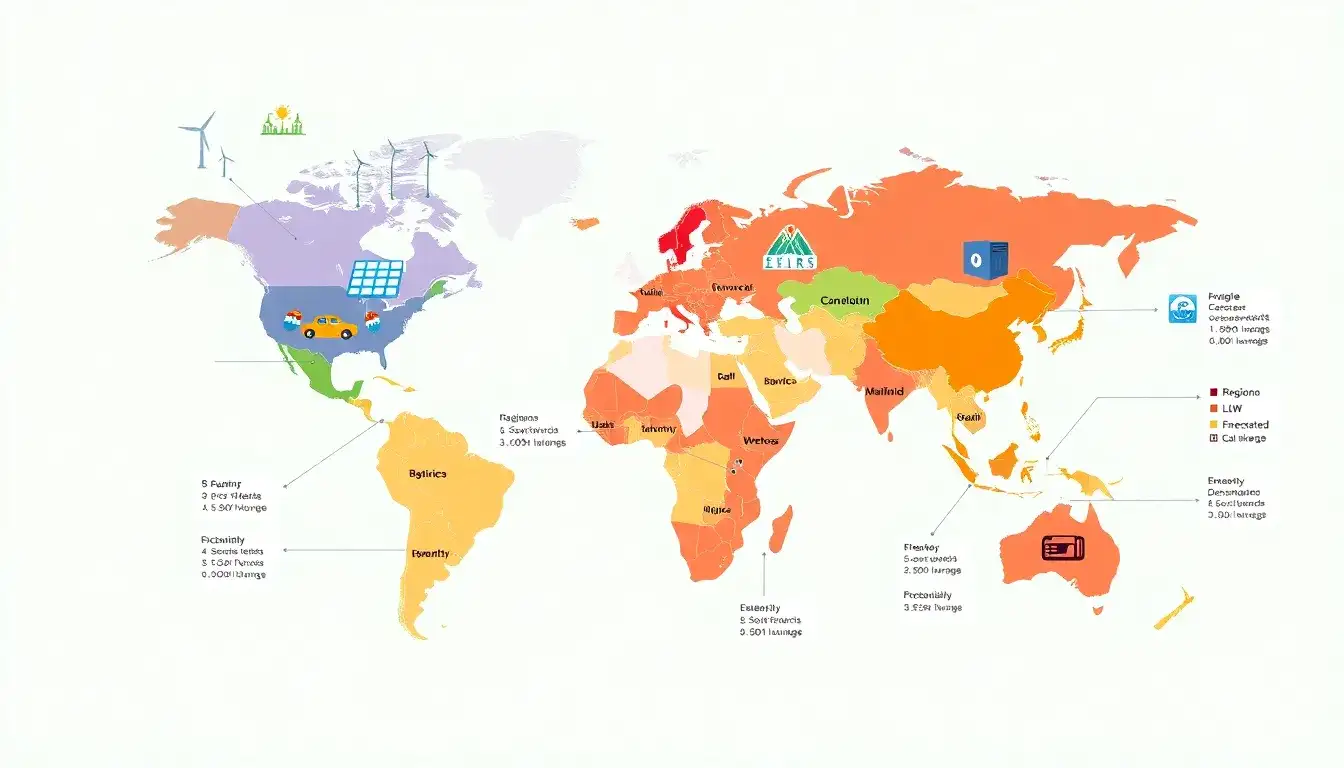
Utility-specific incentives for energy storage vary significantly across different regions in the United States, reflecting the diverse approaches states and utilities take to encourage the adoption of battery storage technologies.
Types of Incentives
- Rebates: Some utilities offer upfront rebates to customers who install battery storage systems. For example, Arizona Public Service (APS) provides a one-time $500 bill credit for participating in their battery storage program.
- Performance Incentives: These incentives involve payments based on the services provided by the storage system to the grid, such as reducing peak demand or providing energy during high usage periods. The Connecticut Energy Storage Solutions program offers performance-based incentives for businesses.
- Combined Incentives: Some programs combine upfront rebates with ongoing performance payments. This structure is seen in programs like the California Self-Generation Incentive Program (SGIP), which offers a combination of upfront rebates and performance payments for large non-residential customers.
Regional Variability
- California: The state has extensive programs like SGIP, which provides significant incentives for both residential and non-residential installations. Incentives are higher for customers in high fire threat districts and low-income households.
- Connecticut: Offers up to $16,000 for residential installations and a 50% upfront incentive for businesses, with additional performance incentives.
- Massachusetts: The Mass Save Connected Solutions program offers financial incentives and financing solutions to reduce battery installation costs and support grid stability.
- New York: While incentives are available, they are mostly focused on commercial-scale storage and specific areas like Long Island.
- Hawaii: Hawaiian Electric Co. provides free devices and installation along with monthly bill credits for exporting energy to the grid during specified hours.
Utility Incentive Structures
Utilities structure their incentives based on factors like avoided costs, peak demand management, and customer engagement strategies. Some utilities offer utility-owned battery systems, allowing customers to “rent” rather than purchase the systems.
Overall, utility-specific incentives for energy storage vary widely based on regional market conditions, policy targets, and the objectives of each utility’s program.
Original article by NenPower, If reposted, please credit the source: https://nenpower.com/blog/how-do-utility-specific-incentives-for-energy-storage-vary-across-different-regions/

