

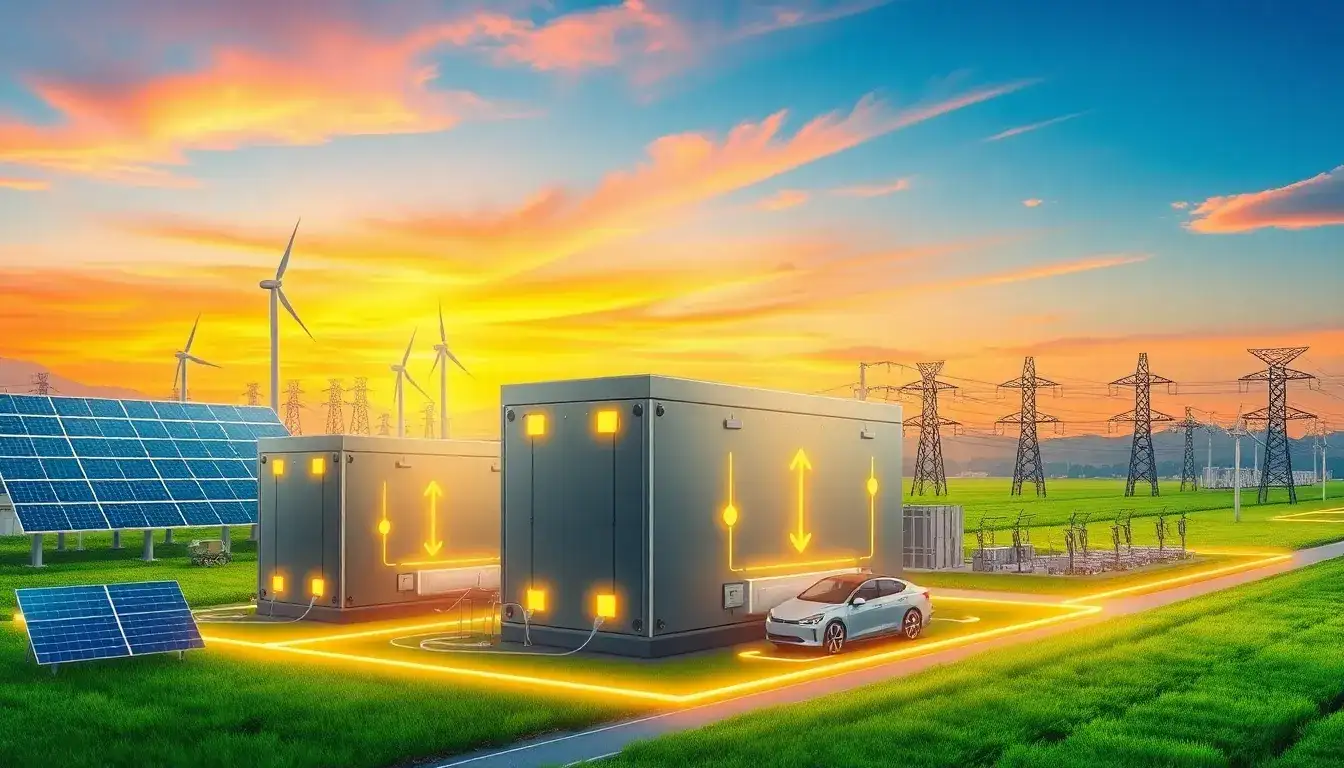
Utility-scale batteries optimize electricity distribution primarily by storing surplus electricity during periods of low demand or high renewable generation and then discharging it rapidly during peak demand or grid stress periods. This process balances supply and demand, stabilizes the grid, and enhances energy delivery reliability.
Key ways utility-scale batteries optimize electricity distribution include:
- Balancing Supply and Demand: They store excess electricity generated from renewable sources like solar and wind when production exceeds consumption, then release that stored energy when demand is high, smoothing out fluctuations and preventing outages.
- Improving Grid Reliability and Resilience: By providing rapid-response power during peak loads, extreme weather events, or outages, batteries supply reserve capacity that helps maintain grid stability and avoid blackouts.
- Facilitating Renewable Energy Integration: Batteries mitigate the intermittent nature of renewables by firming capacity—storing excess renewable energy and supplying it steadily—thus enabling higher renewable penetration and reducing reliance on fossil fuel backup plants.
- Supporting Grid Services: Utility-scale battery systems provide essential ancillary services such as frequency regulation, capacity reserves, and ramp rate control, which help maintain power quality and grid health.
- Deferring Infrastructure Upgrades: By supplying local transmission capacity and managing peak loads, batteries can reduce the need for costly grid infrastructure expansion or reinforcement.
How Utility-Scale Battery Storage Systems Work:
- Battery Cells: Core units that store chemical energy and convert it to electrical energy when needed.
- Battery Management System (BMS): Monitors and manages charging/discharging cycles ensuring safety and efficiency.
- Power Conversion System (PCS): Converts stored direct current (DC) from the batteries into alternating current (AC) compatible with the grid.
This combination enables batteries to strategically charge during surplus generation and discharge during high demand, optimizing electricity flow to match grid needs precisely and economically.
In summary, utility-scale battery storage transforms electricity distribution by making the grid smarter, more flexible, and better able to integrate renewable energy, ultimately improving energy reliability, price stability, and system resilience.
Original article by NenPower, If reposted, please credit the source: https://nenpower.com/blog/how-do-utility-scale-batteries-optimize-electricity-distribution/

