

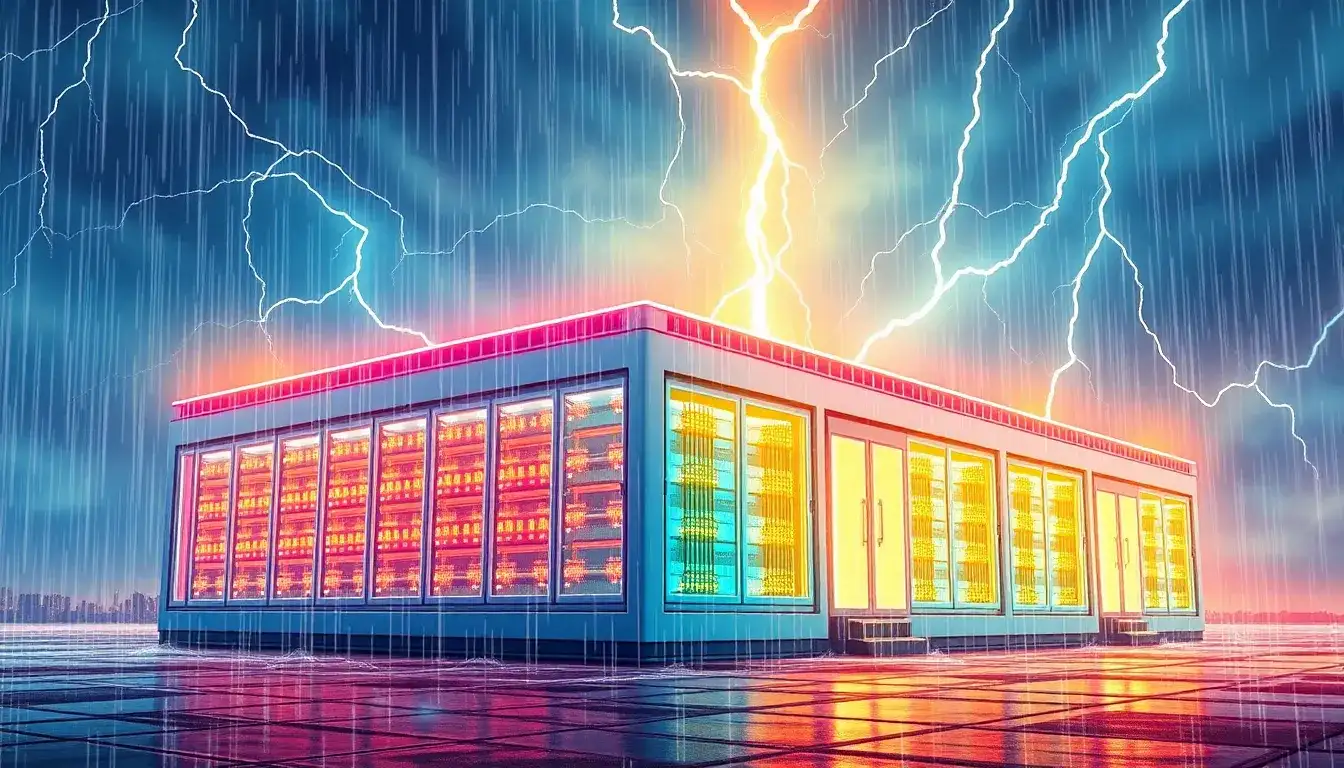
Utility-scale batteries can mitigate the risks of battery fires and explosions during severe weather conditions through several strategies:
Mitigation Strategies
1. Design and Material Improvements
- Chemistry Selection: The adoption of lithium-ion phosphate (LFP) materials in battery designs has proven effective in reducing thermal runaway risks due to their lower flash points and heating rates compared to other chemistries like NMC and NCA.
- Structural Components: Ensuring that battery enclosures and structural components are designed to withstand severe conditions, such as water ingress and high temperatures, is crucial.
2. Advanced Safety Features and Technologies
- Thermal Runaway Prevention Technologies: Technologies like current interrupt devices (CIDs), ceramic-coated separators, and solid polymer electrolytes can prevent overheating in Li-ion cells.
- HVAC Systems: Implementing specialized heating, ventilation, and air conditioning (HVAC) systems helps maintain optimal operating temperatures.
- Continuous Monitoring: Real-time monitoring of temperature, current, and voltage aids in early detection of potential issues, allowing for timely intervention.
3. Testing and Validation
- Hazard Analyses: Conducting thorough hazard analyses and testing batteries under extreme conditions help identify potential failure modes and validate the effectiveness of safety features.
- UL 9540 Compliance: Ensuring that systems meet UL 9540 standards provides assurance that they are equipped with system-level thermal runaway mitigation measures.
4. Emergency Preparedness
- Fire Suppression Systems: Installing fire suppression systems and having emergency response plans in place can limit the impact of potential fires.
- Collaboration with Emergency Services: Informing local fire departments about the location and specifics of utility-scale battery installations is key to effective response strategies.
5. Siting and Environmental Planning
- Risk Assessments: Conducting site-specific risk assessments for extreme weather, earthquakes, and other environmental hazards helps in designing safer installations.
- Decommissioning Plans: Including decommissioning plans in overall safety protocols can mitigate long-term risks associated with obsolete or damaged systems.
These strategies combine to enhance safety, reduce the likelihood of battery fires, and ensure effective response measures are in place during severe weather conditions.
Original article by NenPower, If reposted, please credit the source: https://nenpower.com/blog/how-do-utility-scale-batteries-mitigate-the-risks-of-battery-fires-and-explosions-during-severe-weather/

