

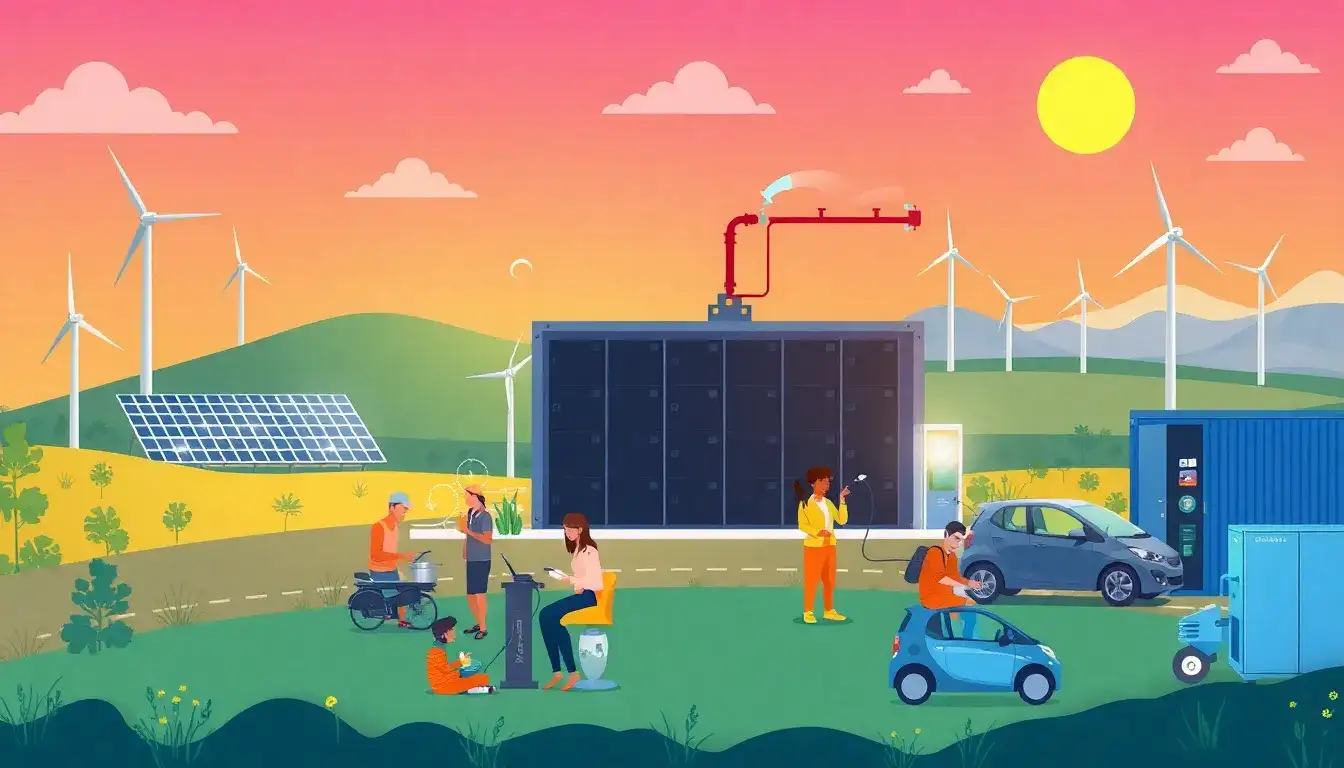
Utility-scale batteries help reduce energy costs for consumers primarily by storing electricity when prices are low and discharging it when demand and prices are high. This time-shifting of energy use allows utilities to avoid expensive peak power generation and reduce overall electricity costs, which benefits consumers through lower energy bills.
Key ways utility-scale batteries contribute to lowering energy costs include:
- Energy Arbitrage: Batteries charge during off-peak hours when electricity prices are cheaper and discharge during peak hours when prices are higher, smoothing out price volatility and reducing peak demand charges.
- Enabling More Renewable Energy: By storing excess renewable energy (e.g., solar generated during the day) for use at night or during demand spikes, batteries allow greater utilization of low-cost, zero-fuel-cost renewables. This reduces reliance on fossil fuels with volatile and often higher costs, thus lowering overall energy expenses.
- Reducing Grid Stress and Outage Risks: Batteries enhance grid reliability by providing backup power and balancing supply-demand fluctuations. This reduces the risk and costs associated with power outages, which can be expensive for consumers and utilities alike.
- Future Cost Declines: The installed capital costs of utility-scale battery energy storage systems are projected to decrease significantly over time due to technology improvements and economies of scale, making energy storage more affordable and thus helping to lower electricity costs further by the mid-2030s.
- Economic and Job Benefits: While not directly lowering consumer bills, battery projects support local economies through job creation and tax revenues, indirectly promoting economic stability and energy affordability.
In quantitative terms, studies indicate that battery energy storage systems (BESS) have the potential to reduce energy costs by substantial margins, sometimes up to 80% in certain applications, by improving grid efficiency and enabling lower-cost renewable integration.
In summary, utility-scale batteries lower energy costs for consumers by optimizing when and how electricity is used and dispatched, supporting renewable energy use to reduce fuel costs, minimizing costly peak demands and outages, and benefiting from ongoing technology cost reductions.
Original article by NenPower, If reposted, please credit the source: https://nenpower.com/blog/how-do-utility-scale-batteries-help-reduce-energy-costs-for-consumers/

