

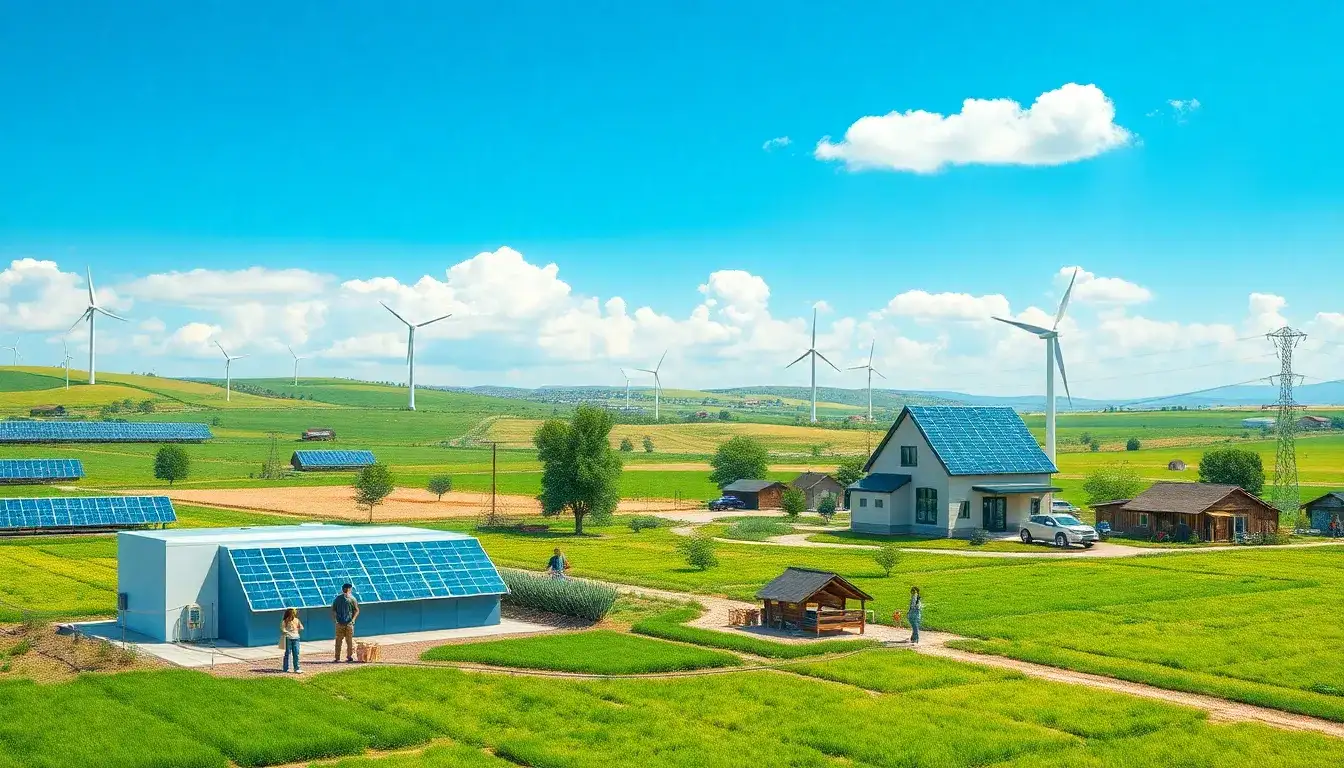
Utility-scale batteries contribute significantly to the economic stability of rural communities through several key mechanisms:
Economic Revenue and Job Creation
- Utility-scale energy storage projects generate substantial tax revenues and land lease payments for local governments and landowners. According to the American Clean Power Association, these projects provide over $580 million annually in such revenues, which directly benefit local rural economies.
- The energy storage sector supports more than 75,000 jobs in development, construction, and maintenance, many of which are located in rural areas where these projects are sited, providing employment opportunities and economic diversification.
Cost Savings and Operational Benefits for Utilities
- Rural electric utilities operate many battery energy storage systems (BESS) that reduce operation and maintenance costs. For example, the Navajo Tribal Utility Authority’s BESS project uses low-maintenance batteries that help lower costs while improving power reliability for off-grid homes.
- By integrating battery storage, rural utilities can better manage power supply, reduce reliance on expensive fossil fuels, and stabilize electric rates, aiding the economic sustainability of these communities.
Increased Energy Access and Reliability
- Utility-scale batteries paired with local renewable generation can supply electricity in remote or off-grid rural locations where access to power has traditionally been limited or costly. This improves energy reliability and supports community resilience during extreme weather events or outages.
- More reliable and affordable power helps rural residents and businesses avoid costly disruptions, supporting economic activity and quality of life.
Environmental and Resource Conservation Benefits
- Battery storage combined with renewable generation (like solar) reduces fossil fuel dependence and water consumption, which is particularly important in rural regions facing water scarcity and environmental concerns. This supports sustainable local economies and resource conservation.
- Rural communities benefit from the environmental improvements associated with cleaner energy, which can also attract further investment and support health and economic wellbeing.
In summary, utility-scale battery storage aids rural economic stability by generating local revenue and jobs, reducing utility costs, improving electricity access and reliability, and promoting sustainable resource use. This creates a more resilient economic and energy foundation for rural communities.
Original article by NenPower, If reposted, please credit the source: https://nenpower.com/blog/how-do-utility-scale-batteries-contribute-to-the-economic-stability-of-rural-communities/

