

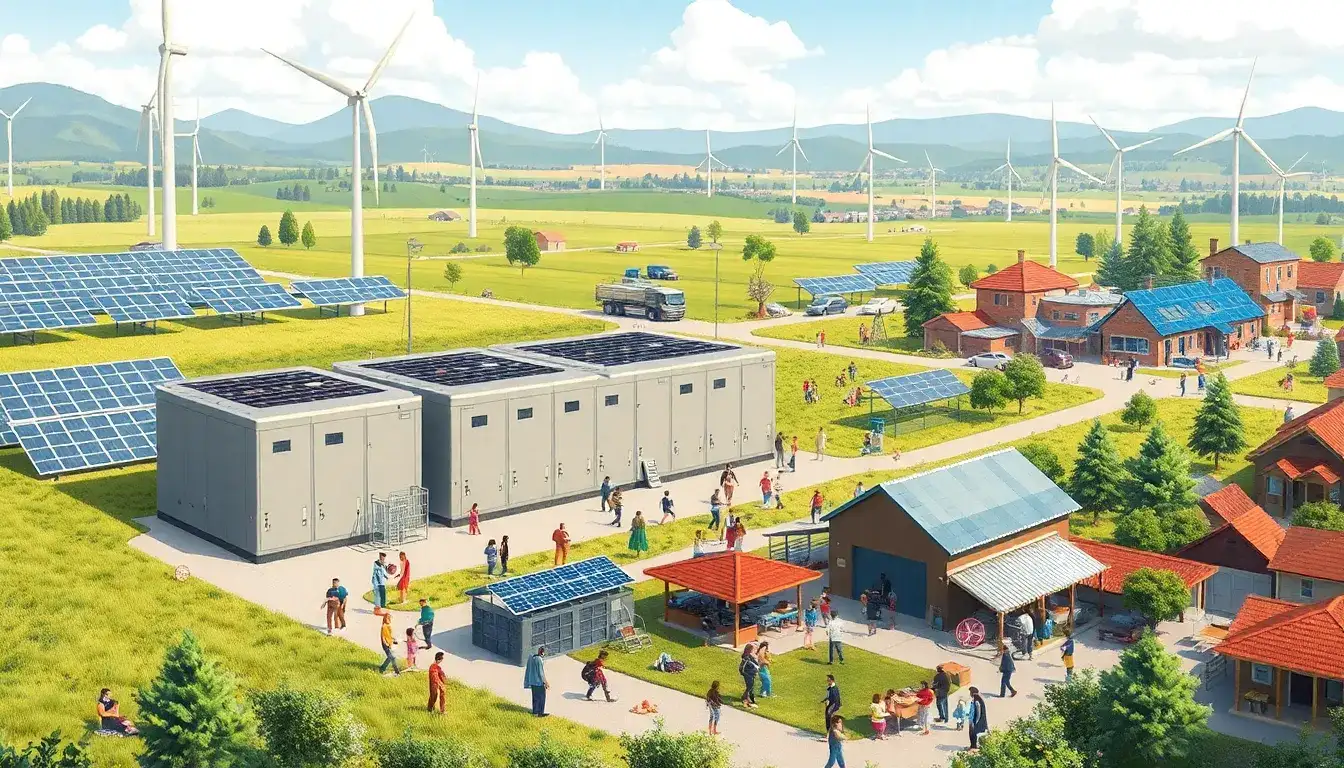
Utility-scale battery projects contribute to local tax revenue through three primary mechanisms:
Direct tax payments
Energy storage projects generate property taxes and other local taxes during operation. The American Clean Power Association reports these projects deliver over $580 million annually in tax revenue nationwide, supporting local government budgets for public services and infrastructure.
Long-term fiscal commitments
In Texas alone, existing and planned battery storage (combined with solar/wind) are projected to contribute over $20 billion in lifetime local tax revenue across more than 75% of counties. These payments occur through property taxes, permitting fees, and other local assessments.
Economic multipliers
Battery storage deployment creates jobs (75,000+ nationally) and stimulates ancillary businesses, indirectly expanding the local tax base. Projects also frequently involve land lease payments to landowners, preserving rural property ownership while generating taxable income streams.
Recent examples include Massachusetts projects leveraging federal tax credits to unlock nearly $10 million in financing while enabling municipalities to save over $200 million in energy costs – demonstrating how tax incentives and storage economics combine to benefit communities.
Original article by NenPower, If reposted, please credit the source: https://nenpower.com/blog/how-do-utility-scale-batteries-contribute-to-local-tax-revenue/

