

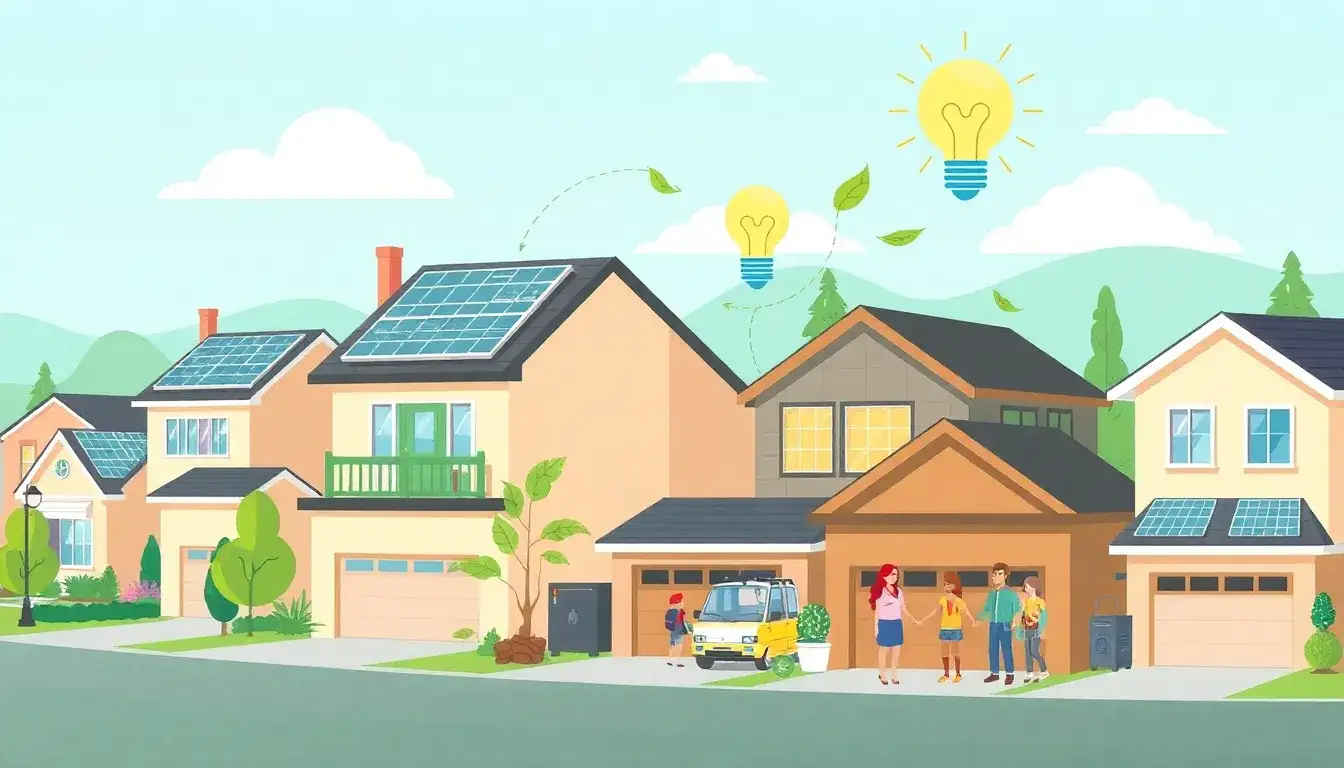
Utility company rebates for energy storage systems, like those offered through California’s Self-Generation Incentive Program (SGIP), are designed to incentivize the adoption of battery storage technologies. Here’s how these rebates typically work and their benefits:
Overview of Rebates
- Purpose: Rebates aim to reduce the upfront costs of energy storage systems, making them more accessible to residential and non-residential customers. This is particularly important in areas prone to power outages or high fire risks.
- Target Groups: Rebates often prioritize low-income communities, medically vulnerable individuals, and those living in high-risk fire areas.
Structure and Incentives
- Types of Rebates: Programs like SGIP offer different levels of rebates based on the customer’s eligibility criteria. For example, SGIP provides $850/kWh for Equity rebates and up to $1,000/kWh for Equity Resiliency rebates.
- Declining Block Structure: Incentives are structured so that early adopters receive higher rebates. This structure encourages early participation as the program progresses.
- Application and Eligibility: Customers must meet specific eligibility criteria, which may include income limits, geographical location, or reliance on medical equipment. They typically need to apply through their utility company or a designated program administrator.
Functionality
- Rebate Disbursement: Rebates are usually provided as a refund after the installation of the energy storage system is completed. Some installers may offer to cover the upfront costs, with the rebate reimbursing them later.
- Financing Options: Utilities and state agencies may offer financing options to eliminate upfront costs, making it easier for more people to participate.
Benefits
- Cost Reduction: Rebates can cover a significant portion of the cost, making energy storage systems nearly free for eligible participants.
- Energy Resilience: By providing backup power during outages, these systems enhance energy reliability, especially for critical facilities or those dependent on medical equipment.
- Sustainability and Grid Stability: Increasing the adoption of battery storage helps support renewable energy integration and reduces reliance on the grid during peak demand periods.
Overall, utility company rebates for energy storage systems are a powerful tool to promote the adoption of these technologies, enhancing both individual resilience and broader grid stability.
Original article by NenPower, If reposted, please credit the source: https://nenpower.com/blog/how-do-utility-company-rebates-for-energy-storage-systems-work/

