

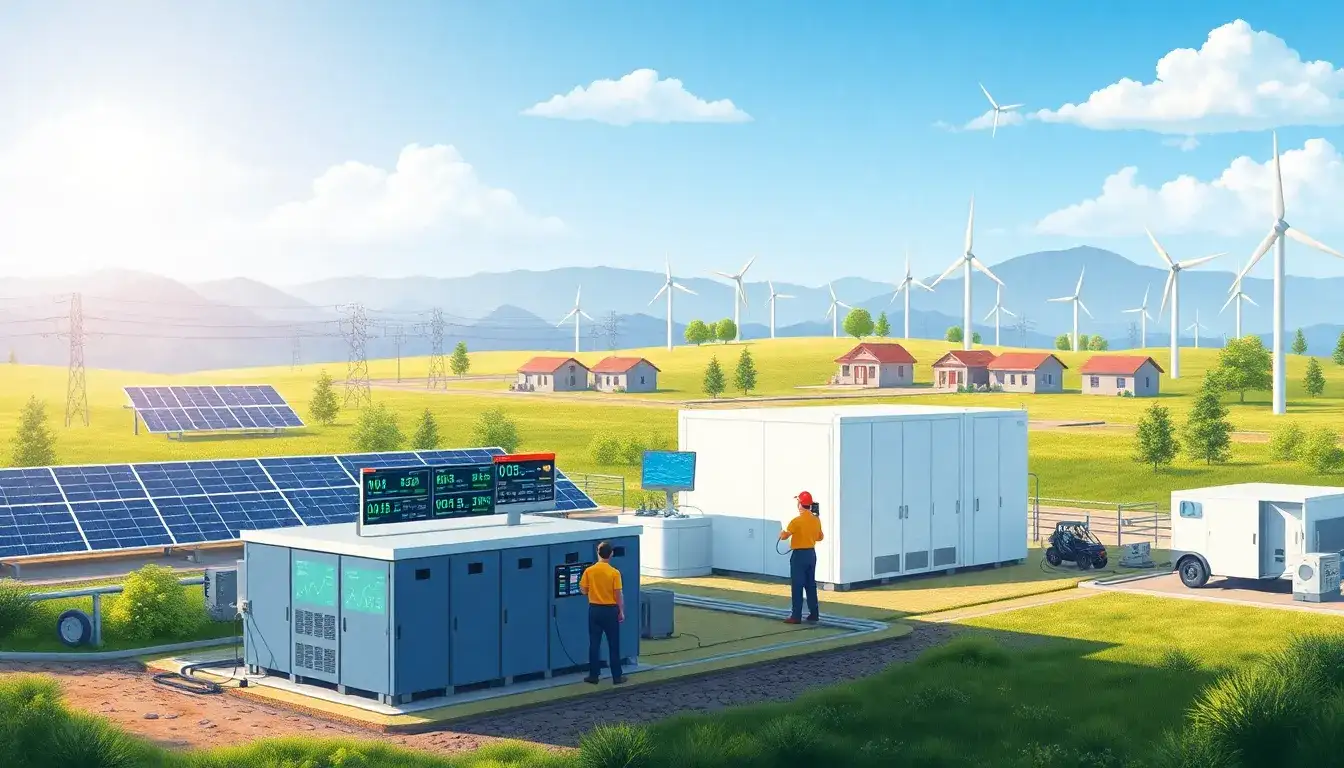
Utility companies utilize energy storage systems in several strategic ways to enhance grid reliability, reduce costs, and integrate renewable energy sources more effectively. The main applications include:
Grid Stability and Peak Demand Management
- Energy storage systems, particularly battery energy storage systems (BESS), are placed near high-demand areas such as densely populated regions and data centers to relieve pressure on the electric grid and reduce transmission congestion. This helps stabilize the grid during peak demand periods and prevents overloads.
- These systems perform peak shaving, where stored energy is discharged during peak electricity demand to reduce the load on the grid, thereby minimizing the need for costly infrastructure upgrades.
Renewable Energy Integration
- Utility-scale storage enables better use of intermittent renewable energy sources like solar and wind by storing excess generation when supply exceeds demand or grid capacity. The stored energy can then be dispatched when renewable generation is low or electricity demand is high, helping smooth out supply fluctuations and increase renewable energy penetration.
- This approach also avoids curtailment of renewable generation, maximizing clean energy use.
Cost Reduction and Deferred Infrastructure Investment
- Energy storage provides utilities with a cost-effective alternative to traditional transmission and distribution infrastructure upgrades. By managing localized demand growth with storage instead of building new substations or transmission lines, utilities can defer or eliminate significant capital expenditures, which ultimately benefits customers through lower electricity bills.
- Additionally, energy storage systems contribute to lowering operational costs and can create new revenue streams for utilities by providing grid services such as frequency regulation and voltage support.
Grid Resiliency and Emergency Backup
- Energy storage systems improve grid resiliency by supplying emergency power during outages, ensuring critical facilities and customers maintain electricity when the main grid fails.
Support for Demand Response and Load Management
- Utilities use storage systems to implement proactive demand response programs, adjusting electricity use dynamically to balance supply and demand more efficiently.
Summary Table of Utility Uses for Energy Storage Systems
| Utility Application | Description |
|---|---|
| Grid stability & peak shaving | Relieve grid congestion, smooth peak loads, stabilize the power supply |
| Renewable integration | Store excess solar/wind power, dispatch stored energy when needed, avoid curtailment |
| Cost reduction | Defer infrastructure investments, reduce operational costs, lower customer bills |
| Grid resiliency & backup power | Provide emergency power during outages |
| Demand response & load management | Implement dynamic demand programs, optimize grid use |
| Ancillary grid services | Frequency regulation, voltage support, system reliability enhancement |
Overall, utility-scale energy storage is a critical technology that helps utilities manage energy supply and demand more efficiently, integrate clean energy, reduce costs, and increase grid reliability and resilience. With growing installations projected, energy storage systems are becoming foundational components of the modern electric grid.
Original article by NenPower, If reposted, please credit the source: https://nenpower.com/blog/how-do-utility-companies-utilize-energy-storage-systems/

