

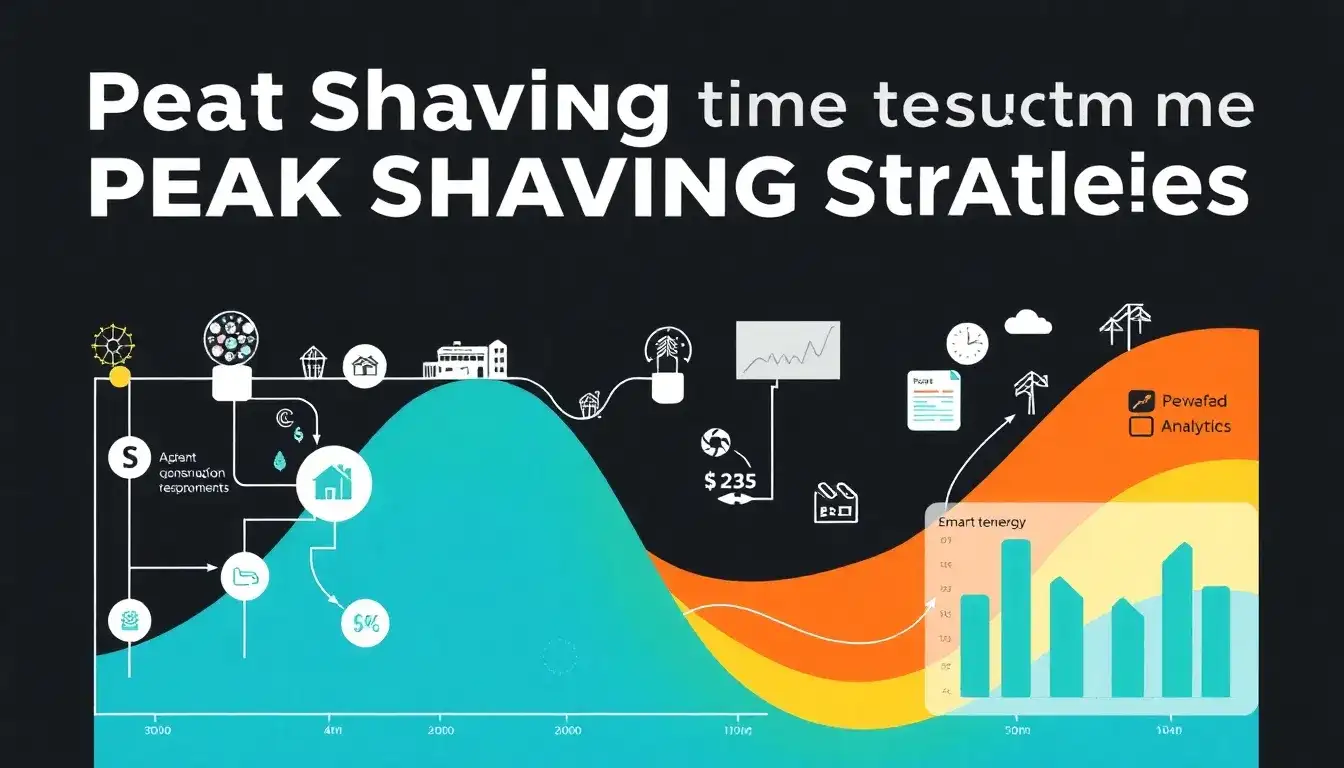
Utilities determine the ideal time to implement peak shaving strategies by analyzing various factors related to energy demand, pricing, and operational flexibility. Here’s a detailed overview of how and when utilities may decide to employ these strategies:
Key Factors in Determining Timing for Peak Shaving
1. Load Profile Analysis
Utilities evaluate the load profile of their service area to identify peak demand periods. This includes studying historical data to understand how energy consumption patterns fluctuate throughout the day and over different seasons. By pinpointing when peak demand typically occurs, utilities can align their peak shaving strategies accordingly.
2. Demand Charges and Economic Incentives
Businesses often face demand charges based on their maximum energy consumption during specified intervals—commonly 15 minutes. Utilities watch for spikes in these charges and can implement peak shaving when demand forecasts indicate that these spikes may occur, thereby helping businesses mitigate costs.
3. Availability of Energy Storage Systems
The presence of battery energy storage systems (BESS) and other forms of on-site generation (e.g., solar or backup generators) is crucial. These systems can be deployed quickly during peak demand periods to reduce reliance on the grid. The timing for peak shaving can thus depend on the state of charge of these energy storage systems and their readiness to discharge energy when needed.
4. Renewable Energy Integration
With the increasing share of renewable energy in the grid, utilities must consider the intermittency of these sources. Peak shaving can be strategically timed to coincide with periods of low renewable generation or high demand, optimizing grid stability while utilizing available clean energy.
5. Real-time Monitoring and Forecasting
Modern energy management systems utilize real-time data analytics to forecast demand and pricing. Utilities can set conditions within these systems to trigger peak shaving automatically when anticipated demand exceeds thresholds based on predictive algorithms, thereby optimizing energy costs dynamically.
Strategies for Effective Peak Shaving Implementation
- Energy Storage Deployment: Utilizing battery systems that store energy during off-peak times and discharge during peak periods can significantly enhance peak shaving capabilities.
- On-site Generation: Facilities with on-site power generation can mitigate peak demand by supplying their own energy during high-cost periods.
- Demand Response Programs: Utilities may also engage in demand response initiatives where customers voluntarily reduce their consumption during peak times in exchange for incentives, thereby helping to stabilize the grid.
- Load Management Solutions: Employing intelligent management systems that monitor and adjust the energy consumption of large appliances (e.g., HVAC systems) can help facilities to better manage their energy load during peak times.
Conclusion
In summary, utilities implement peak shaving strategies based on a combination of load profiling, economic analysis of demand charges, the availability of energy storage and generation resources, and sophisticated real-time monitoring systems. By carefully considering these factors, they can effectively reduce grid strain and promote energy efficiency, ultimately benefiting both consumers and the energy system as a whole.
Original article by NenPower, If reposted, please credit the source: https://nenpower.com/blog/how-do-utilities-determine-the-ideal-time-to-implement-peak-shaving-strategies/

