

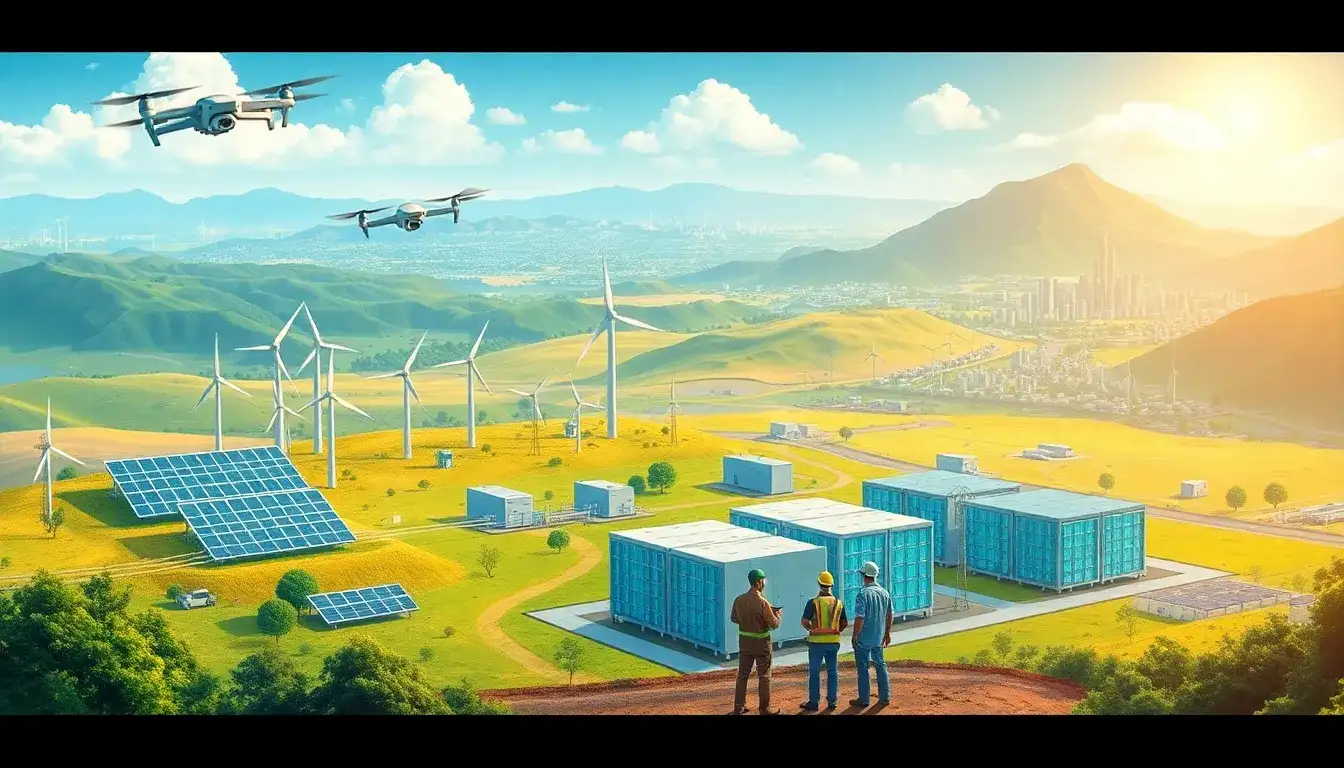
Utilities determine the best locations for energy storage systems (ESS), such as battery energy storage systems (BESS), by considering a combination of technical, safety, regulatory, environmental, and economic factors.
Key Considerations for Site Selection
1. Technical and Safety Requirements
- The site must provide a well-ventilated outdoor environment without explosion risks and must not be in low-lying areas prone to flooding.
- Clearance is vital to meet fire protection laws and ensure safe maintenance access—typically at least 3 meters clearance on long sides and 1.2 meters width for maintenance aisles is recommended.
- Foundations must meet load-bearing and leveling standards, be above historical maximum water levels, and allow for proper cabling access beneath the ESS.
- Compliance with local and national fire and safety codes like those from NFPA, IFC, ICC, and NESC is required. Since specific energy storage regulations vary by location, utilities must check and adhere to local codes to avoid safety issues and penalties.
2. Land Use and Physical Accessibility
- The land must be large enough to accommodate the ESS equipment along with supporting infrastructure such as access roads, electrical lines, and cooling towers.
- Sites should be zoned for industrial or commercial use and be easily accessible for construction and ongoing maintenance, typically near major transportation corridors.
3. Environmental Impact and Risk Management
- The site should avoid environmentally sensitive areas such as wetlands or habitats of endangered species.
- It should not be prone to natural hazards such as flooding, which could damage the system or pose safety risks.
- The foundation and installation should respect local drainage and rainfall considerations to prevent water damage.
4. Grid and Economic Considerations
- Utilities analyze the potential grid benefits of the storage location, such as how the ESS can support reliability, integrate renewable energy sources, provide frequency regulation, and reduce peak demand charges.
- The site selection is often guided by techno-economic evaluation, balancing expected revenue from grid services against installation and operational costs.
- The level of the power network where the storage is connected influences the benefits and use cases the ESS can provide, impacting the choice of location.
Summary Table of Key Site Factors
| Factor | Description |
|---|---|
| Safety | Adequate ventilation, explosion risk avoidance, clearances, adherence to fire and safety codes. |
| Land Use | Large enough for ESS and infrastructure, industrial/commercial zoning. |
| Accessibility | Near transportation routes for construction and maintenance. |
| Environmental Suitability | Avoids flood-prone, environmentally sensitive areas. |
| Foundation Requirements | Meets load-bearing, leveling, and drainage specs. |
| Grid Integration | Location maximizes grid services and economic benefits. |
| Regulatory Compliance | Meets local safety, fire, and environmental regulations. |
Utilities weigh these factors collectively to ensure the energy storage system is safe, reliable, efficient, and economically viable in its chosen location. This thorough site selection process helps maximize the operational benefits and lifespan of the energy storage installation.
Original article by NenPower, If reposted, please credit the source: https://nenpower.com/blog/how-do-utilities-decide-the-best-locations-for-energy-storage-systems/

