

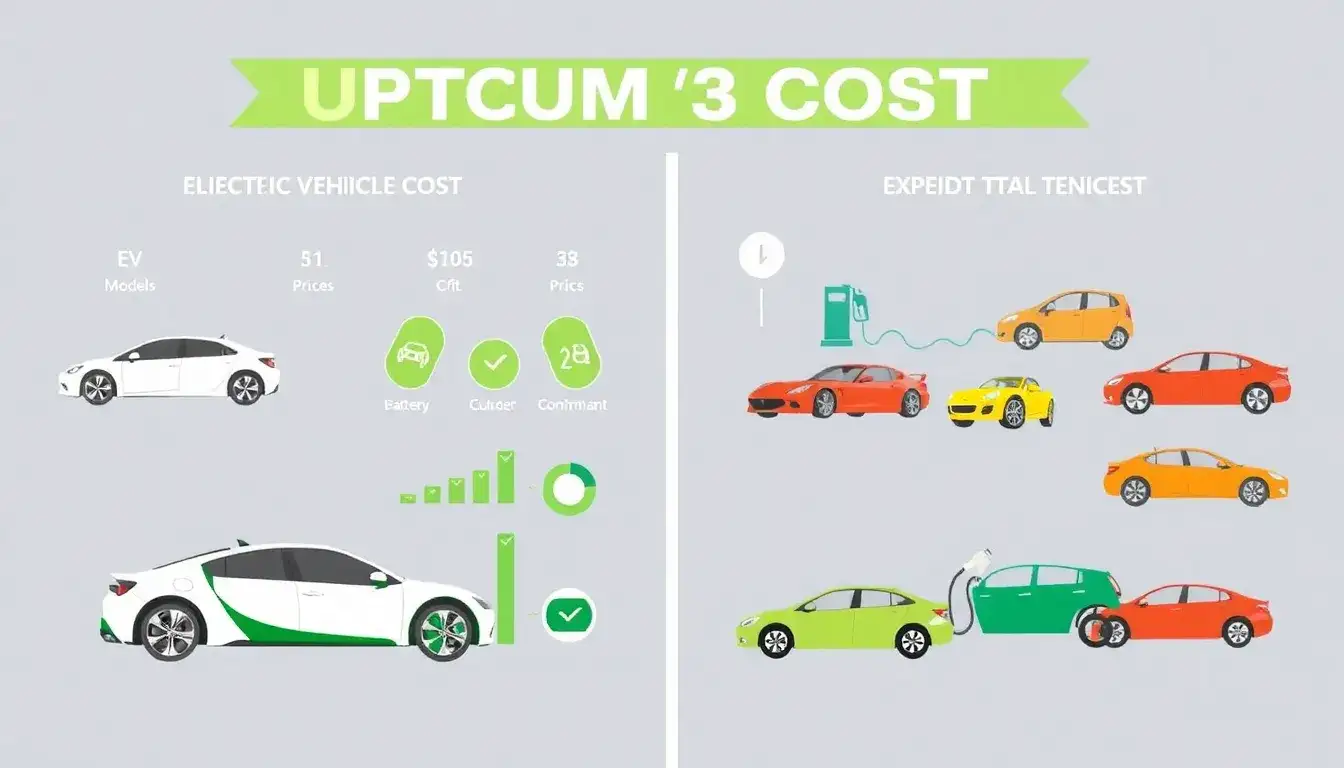
Upfront costs for electric vehicles (EVs) generally vary widely and can be higher than those for traditional gasoline-powered vehicles, depending on several factors such as the model, brand, and whether they are fully electric or plug-in hybrids. Here’s a comparison:
Upfront Costs
- Electric Vehicles: Prices for EVs can range from about $29,280 for the cheapest models, like the 2025 Nissan Leaf, to over $100,000 for luxury models. The average transaction price for a new EV was approximately $56,371 as of June 2024, and about $56,328 in September 2024.
- Traditional Vehicles: Traditional gasoline-powered vehicles typically have a lower initial purchase price. For example, the base price for a Toyota Camry can start at around $24,294.
Incentives and Credits
- EVs: They often come with federal and state tax incentives, which can lower the upfront costs. For instance, there is a federal EV tax credit of up to $7,500 for new vehicles and up to $4,000 for used ones.
- Traditional Vehicles: Generally, these vehicles do not have such incentives.
Operating Costs
- EVs: Despite higher upfront costs, EVs are significantly cheaper to operate. They cost about $485 per year to run in the U.S., compared to over $1,117 annually for a gas-powered vehicle.
- Traditional Vehicles: Higher operating costs due to fuel and maintenance expenses.
Overall, while EVs may have higher upfront costs, they can offer substantial savings in operating expenses over time, making them economically viable for many buyers.
Original article by NenPower, If reposted, please credit the source: https://nenpower.com/blog/how-do-upfront-costs-for-evs-compare-to-traditional-vehicles/

