

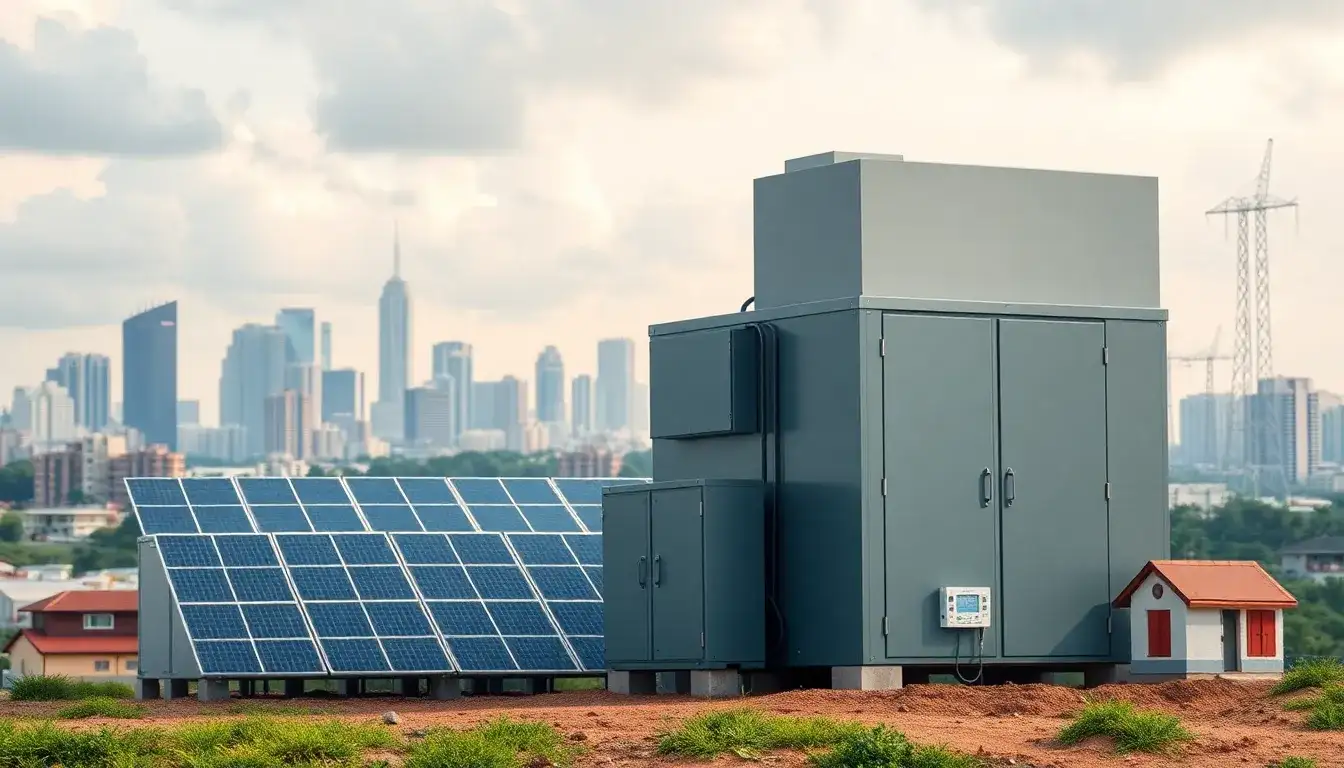
Upfront costs and operational expenses of energy storage solutions play a significant role in disaster preparedness by influencing the adoption and effectiveness of these systems for maintaining reliable power supply during emergencies. Here’s how these costs impact disaster preparedness:
Upfront Costs
- Affordability and Accessibility: High upfront costs can make energy storage systems less accessible to smaller entities or individuals, limiting their ability to prepare for disasters. However, technologies like portable solutions such as POWRBANK offer flexibility and can be more cost-effective for certain needs.
- Return on Investment: While the initial investment might be substantial, energy storage systems can offer cost savings in the long term by reducing peak demand charges and providing backup power when traditional sources fail.
Operational Expenses
- Maintenance and Servicing: Energy storage systems with low maintenance needs are preferred to ensure they remain functional during disasters. Systems that are easy to service reduce operational expenses and ensure reliability.
- Performance and Reliability: Operational expenses also include ensuring the system performs optimally. This involves selecting systems with proven track records in emergency situations to ensure reliability during disasters.
- Integration Costs: The operational cost of integrating energy storage solutions with existing infrastructure (e.g., renewable energy sources and backup generators) can impact their effectiveness in disaster scenarios.
Balancing Costs with Disaster Preparedness
- Cost-Effectiveness vs. Performance: There is a need to balance upfront costs and operational expenses with the performance and reliability of energy storage systems. Proven technologies like advanced battery technologies offer reliable solutions that justify investment.
- Regulatory Compliance: Compliance with local regulations and building codes can also impact operational expenses by ensuring smooth implementation and operation without additional legal or procedural barriers.
Overall, while upfront costs and operational expenses are important considerations for energy storage systems in disaster preparedness, the benefits of increased resilience, sustainability, and reliability often justify these investments.
Original article by NenPower, If reposted, please credit the source: https://nenpower.com/blog/how-do-upfront-costs-and-operational-expenses-of-energy-storage-solutions-impact-disaster-preparedness/

