Let’s explore how thermochromic photovoltaic glass and night solar panels work.
Thermochromic Photovoltaic Glass
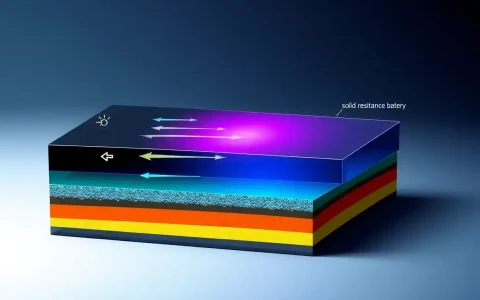
Thermochromic photovoltaic glass is not a well-documented technology in the provided search results, but it typically involves materials that change color with temperature changes. If it’s combined with photovoltaics, it might enhance efficiency by dynamically adjusting to optimal conditions. However, there’s no specific information available about this technology directly in the search results, so let’s focus on what’s available.
Night Solar Panels
Concept and Operation
Night solar panels are an innovative concept developed by researchers at Stanford University. They work by exploiting radiative cooling, a process that occurs when objects radiate heat into space on clear nights, causing them to cool down below the ambient temperature. This temperature difference can be used to generate electricity using thermoelectric generators.
- Radiative Cooling Process: On a clear night, objects facing the sky can radiate infrared heat into space, cooling down below the surrounding air temperature.
- Harnessing the Temperature Difference: This temperature difference can be harnessed by thermoelectric generators attached to modified commercial solar panels.
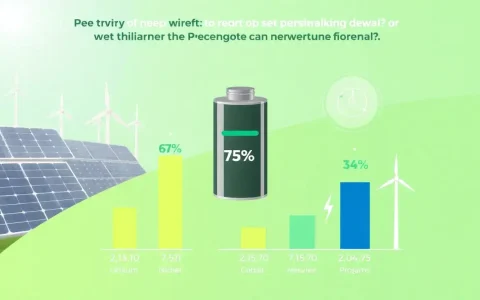
- Electricity Generation: The system is capable of generating a small amount of electricity, typically around 50 milliwatts per square meter. This is much lower than the 200 watts per square meter generated by conventional solar panels during the day.
Potential Applications
These night solar panels might be particularly useful for low-power applications like nighttime lighting, charging devices, and powering environmental sensors. While the energy generation is modest, it represents a significant step toward creating sustainable energy solutions that can operate continuously.
Comparison and Limitations
- Energy Output: Night solar panels produce far less energy than daytime solar panels.
- Practicality: Currently, they are not economically viable for widespread energy production but show promise for niche applications.
In summary, night solar panels utilize radiative cooling to generate electricity at night, offering a new approach to sustainable energy but with limited output compared to traditional solar technology. Thermochromic photovoltaic glass is not directly addressed in the search results.
Original article by NenPower, If reposted, please credit the source: https://nenpower.com/blog/how-do-thermochromic-photovoltaic-glass-and-night-solar-panels-work/