

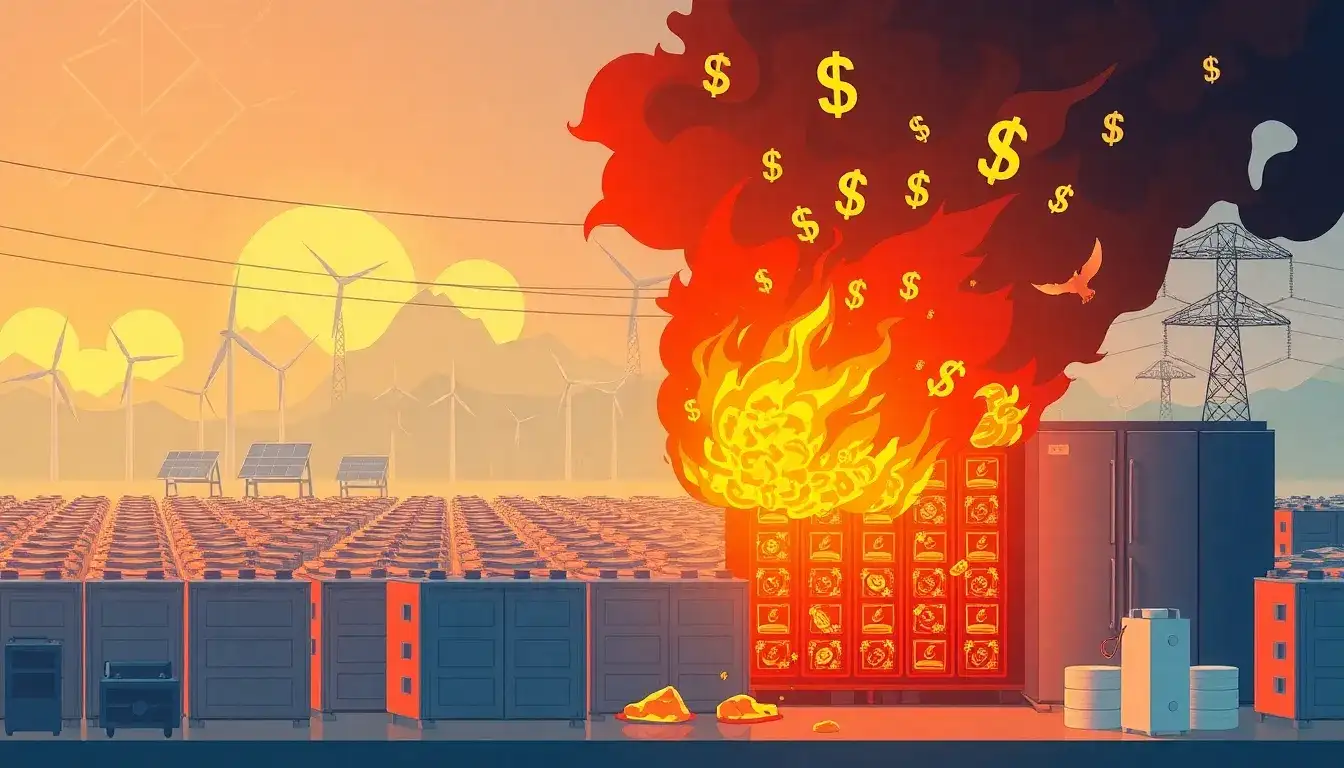
Thermal runaway and fires in energy storage systems, particularly Battery Energy Storage Systems (BESS), can significantly impact the revenue potential of these projects in several ways:
Immediate Impacts
- Operational Disruptions: Fires caused by thermal runaway can lead to prolonged shutdowns of the facility, disrupting energy supply services and resulting in lost revenue from unfulfilled power delivery obligations.
- Equipment Damage: The destruction or damage to batteries and infrastructure necessitates costly repairs or replacements, adding to the financial burden on operators.
Long-term Consequences
- Safety Enhancements: Implementing enhanced safety measures, such as advanced thermal management systems and gas detection technologies, increases upfront costs and may reduce overall efficiency, affecting profitability.
- Regulatory and Insurance Implications: Incidents of thermal runaway may lead to tightened regulatory standards and higher insurance premiums, further straining project finances.
- Reputation and Public Perception: Repeated safety incidents can harm the reputation of companies involved, potentially deterring future investments and partnerships.
- Environmental Concerns: The release of toxic gases during fires can lead to environmental damage, which might result in legal liabilities and penalties, impacting revenue streams.
Mitigation Strategies
To mitigate these impacts, developers and operators must focus on preventive measures such as robust thermal management systems, improved battery designs, and comprehensive safety protocols, including emergency response plans.
Here are some key strategies to reduce the risk associated with thermal runaway:
- Early Fault Detection: Implement advanced battery management systems (BMS) to detect anomalies before they escalate.
- Enhanced Containment: Design facilities with fire-resistant materials, proper ventilation, and safe layouts to isolate batteries and minimize fire spread.
- Innovative Technologies: Invest in technologies like immersion cooling and advanced thermal barriers to improve safety and efficiency.
- Thermal Runaway Studies: Conduct comprehensive risk assessments early in project development to inform design changes that reduce potential impacts.
Original article by NenPower, If reposted, please credit the source: https://nenpower.com/blog/how-do-thermal-runaway-and-fires-impact-the-revenue-potential-of-energy-storage-projects/

